When a visitor walks into an Orthodox church for the first time, the icons are usually the first thing he notices. They may also be the last thing he understands. He may have been told, somewhere along the way, that Christians do not make images of the divine. Now he finds himself in a room full of these images, and Christians are bowing towards them and kissing them.
The pages that follow are written for people in exactly that position: catechumens, inquirers, friends of parishioners, anyone standing in front of an icon for the first time. The claim this page defends is that holy icons are neither a late medieval invention nor a regression into paganism, but the natural outcome of the Incarnation working through the whole intrinsic human instinct for sacred images, redirected and purified by the God who has now been seen in the flesh.
The Human Instinct for Sacred Images
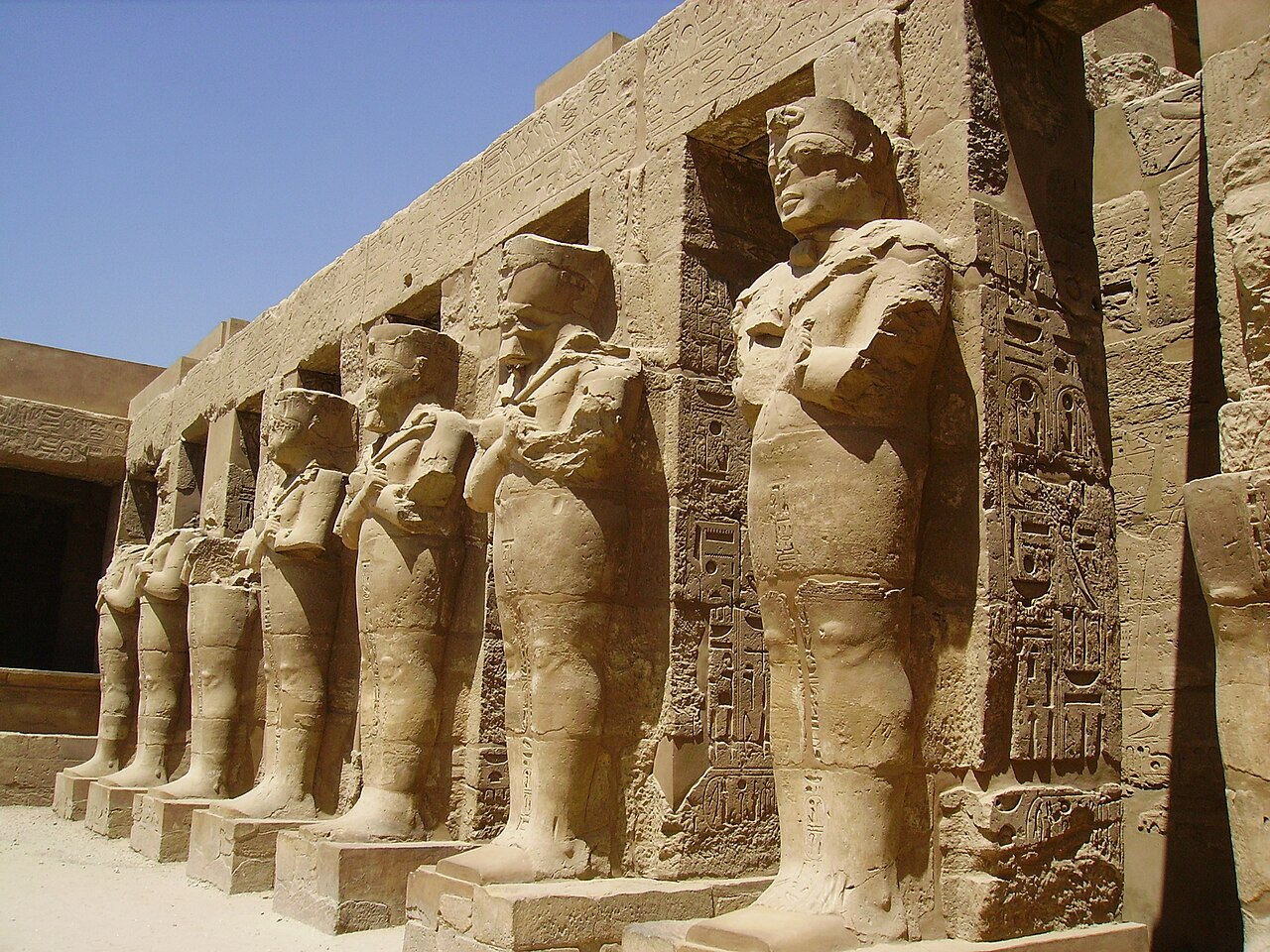
Long before there was a Church, there were altars. Wherever archaeologists have uncovered a settled human community, they have found, in one form or another, an image of the divine: a figurine pressed into Neolithic clay, a carved stone set upright in a grove, a statue seated in the cool dark of a temple. The instinct to locate the holy in a visible object is older than writing. Any account of Christian icons that begins in the eighth century, or even the first, begins too late.
Consider ancient Egypt. In the daily temple ritual at Karnak, Heliopolis, and elsewhere, priests approached the cult statue of the god at dawn, broke the clay seal on the shrine, recited the prayer for "opening the mouth," and then washed, anointed, clothed, censed, and fed the image as one would tend a living person. The Egyptian priest did not simply believe the statue symbolized the god. After the opening-of-the-mouth rite, the statue was the god's dwelling in a genuine and operative sense, able to see, hear, and receive offerings.
The same instinct took a slightly different form in Mesopotamia. A two-day ceremony reconstructed from Neo-Babylonian and Neo-Assyrian ritual involved ritually severing the newly carved statue of a god from its human makers. The craftsmen's tools were symbolically thrown into the river. The statue's mouth was washed and opened, and the recitations declared that the image had not been made by human hands at all but was "born in heaven, made by the gods." The phrase acheiropoietos, "not made by human hands," which Christians will later apply to certain miraculous icons of Christ, belongs in this deep genealogy of sacred image-making. The question animating the whole ceremony is not a foolish one: where does the god truly dwell, and how can he become genuinely present among his people? What the nations got wrong was not that they asked it but where they looked for the answer.
Within two centuries of Pliny's letter, Christians of those same provinces would be venerating images of Christ and the martyrs with the very incense they had once died rather than offer to Caesar.
Drawn from: Pliny the Younger, Epistle 10.96 (ca. 112 AD)Greek practice ran along parallel tracks. The oldest Greek cult objects were the xoana, primitive wooden images of the gods, several of which were said to have fallen from heaven. In Rome, every household kept its lararium, a small shrine where daily offerings were made. Pliny the Younger's letter to Trajan reports that the test he applied to accused Christians was whether they would offer wine and frankincense before the emperor's statue and curse Christ. They would not, and they died.
Two observations follow. First, the human race has never been neutral about images. It reaches toward the sacred through them. Second, the early Fathers who defended Christian icons knew this. St. John of Damascus was clear-eyed about the difference between pagan idolatry and the sacred images commanded by God, but he did not pretend the human instinct was foreign to him, or that the nations were asking the wrong question. What they had wrong was not the longing but the answer they had settled for. The question he and the Seventh Ecumenical Council had to answer was a genuine one: was Israel's prohibition of images an eternal negation of that instinct, the protective custody of a child being prepared for something better, or something stranger still: the first move of a correction that ran all the way back to Eden, insisting that the nations were reaching for something real and had always been looking in the wrong place?
Greek: "not made by human hands." Applied in the New Testament to the heavenly temple (Mark 14:58, Hebrews 9:11) and in later Christian tradition to certain miraculous icons said to be of divine origin, such as the Mandylion of Edessa. The phrase echoes, with a changed meaning, the Mesopotamian ritual declaration that the consecrated cult statue was "born in heaven, made by the gods."
Israel, the Prohibition, and the Sacred Images Within It
Set against that ancient world, Israel's Second Commandment is a thunderclap. "You shall not make for yourself a carved image, or any likeness of anything that is in heaven above, or that is in the earth beneath, or that is in the water under the earth. You shall not bow down to them or serve them" (Exodus 20:4-5). The prohibition is absolute on its face and severely enforced, from the golden calf at Sinai through the prophetic polemic of Isaiah, Jeremiah, and Hosea against the idols of the nations.
And yet the same Torah that forbids the making of images commands the making of images. The very next chapters of Exodus order Moses to fashion two golden cherubim and mount them on the lid of the Ark, their wings meeting over the mercy seat, "and there I will meet with you" (Exodus 25:18-22). Cherubim are to be woven into the curtain of the Tabernacle. When a plague of serpents breaks out in the wilderness, Moses is told to make a bronze serpent and set it on a pole; those bitten are to look on it and live. Solomon's Temple is furnished with two giant cherubim, with carvings of cherubim, palm trees, and open flowers on every wall, and with a great Bronze Sea resting on twelve cast bulls. Israel, in its most sacred space, is surrounded by sacred images.
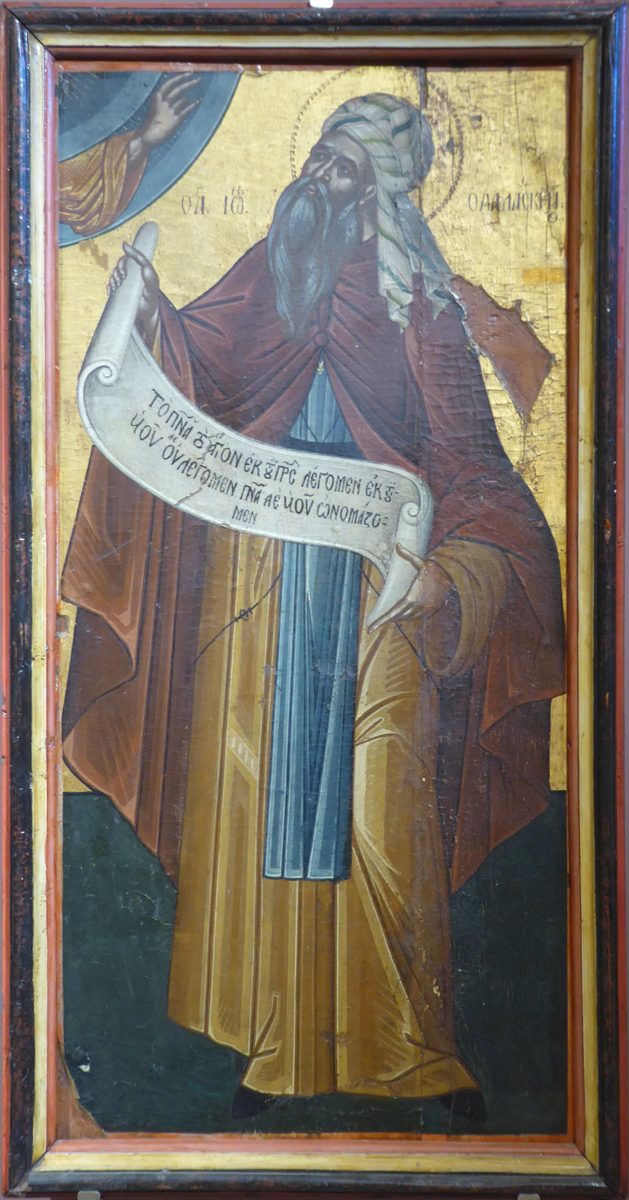
In former times God, who is without form or body, could never be depicted. But now when God is seen in the flesh conversing with men, I make an image of the God whom I see. I do not worship matter; I worship the Creator of matter who became matter for my sake.
St. John of Damascus, On the Divine Images, Treatise I.16 (c. 726–730)The paradox is not accidental, and the Fathers of the Church did not flinch from it. St. John of Damascus argued that the prohibition was pedagogical and protective. Israel lived among nations whose image-cult was genuinely idolatrous, and a people inclined to the golden calf could not be trusted with images of the living God. So the Law did not permit them to depict what they had not yet seen. Deuteronomy 4:15-19 gives the reason in so many words: "Since you saw no form on the day that the Lord spoke to you at Horeb out of the midst of the fire, beware lest you act corruptly by making a carved image." The prohibition rests on the fact that no form had yet been seen. But why no form was given at Horeb is itself a question, and the answer reaches back before Sinai to the beginning of creation.
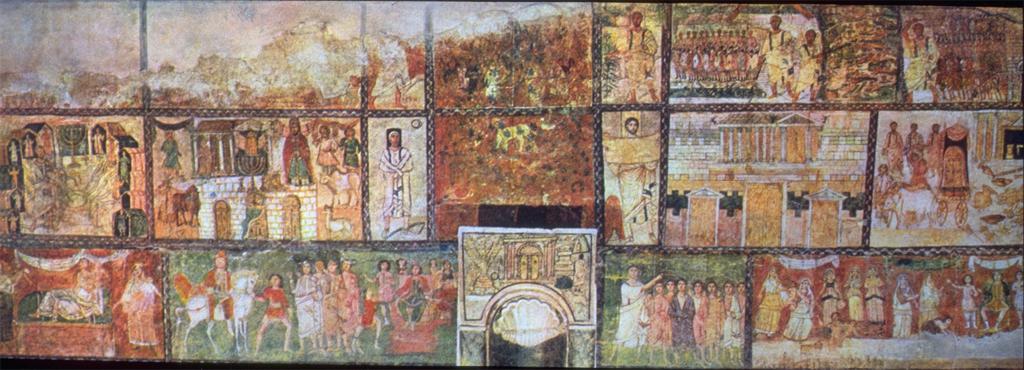
Archaeology added an unexpected footnote. When the synagogue of Dura-Europos was excavated in the 1930s, its interior walls proved to be covered in extensive figurative frescoes of biblical scenes, painted around 244-256 AD. The assumption that Jewish tradition read the Second Commandment as a flat prohibition of all figurative art is historically incorrect. The history from Moses, to the temple, to the Dura-Europos synagogue paints a different picture. The theological fault line between Orthodoxy on one side and rabbinic Judaism and Islam on the other is not, in the end, about the general morality of pictures. It is about whether God has become visible in the flesh.
The bronze serpent Moses raised in the wilderness (Numbers 21:8-9) was preserved in Israel for centuries before being destroyed by King Hezekiah (2 Kings 18:4), not because the image was itself wrong but because the people had begun to burn incense to it. Christ Himself appeals to that same image as a prefigurement of His own lifting up on the Cross (John 3:14-15). The bronze serpent shows how a sacred image can be both commanded by God and abused by men, and why the Church distinguishes veneration from worship so carefully.

The ancient Mesopotamian ceremony of idol making ends with a god installed in his temple: cult image in place, mouth ritually opened to receive the spirit of the desired deity, ready to receive worship. This is what divine presence looked like in the ancient world. When God completes His own temple, He follows the same sequence in reverse. He does not commission craftsmen. He fashions His own image from the dust of the ground. He opens its mouth not with ceremony but with His own breath. The garden where He places it is the sanctuary. The image is alive.
The Hebrew word tselem in Genesis 1:26, usually translated "image," is the standard word for a cult idol elsewhere in the Old Testament and in Akkadian (salmu) for the statues of gods and kings. The biblical author is using that vocabulary on purpose and then turning it completely around. God does not dwell in a carved thing. The living human person is His cult image in the world, placed in His sanctuary to make Him present and accessible to creation. This is not a metaphor. It is an office, a function, a vocation.
This is why, at Horeb, there was no form to be seen. God was not evading visibility. He had already given His people His image. The Second Commandment does not say God has no icon. It says: do not make another one, because He has already made His own.
The high priest is what the cult statue tried and failed to be. When Aaron entered the sanctuary, the names of the twelve tribes were engraved on the stones of the ephod and set in the breastpiece over his heart. The Divine Name was fastened to his brow in gold. His vestments, to any ancient eye, would have looked like the dressed garments of a cult idol. That was exactly the point. The ephod showed Aaron bearing the people before God; the Name on the diadem showed him bearing God's presence before the people. He was not a symbol of divine presence. He was its carrier, entering the Holy of Holies as the living image of YHWH among His people, doing in human flesh what the nations' statues only claimed to do.

Adam in the garden and Aaron in the sanctuary are the same figure at two scales, and the Davidic king is the same figure at a third. Each genuinely bears the divine image, a real carrier of God's presence. But the Fathers of the Church were precise about what this means. The Son of God is the Image of the Father by nature. Adam is not the Image; he is made according to the Image, in the Greek of Genesis 1:26 kat' eikona, derived from and participating in the one who is Image by nature. His bearing of the divine likeness is real, but it is a participation, not a possession. It depends on what it receives and can be dimmed when it turns away. This is why Adam's fall is not only a moral failure. It is the loss of a participation that Adam had no power to restore from within himself, and why no figure after him, priest or king, however genuinely they carry the presence, can give back what was lost.
Israel's God refused to let His people make Him a body because He had already determined to fashion His own. When the Son of God takes human nature in the Incarnation, He does not arrive as the completion of something Adam invented. He comes as the Image itself, entering the very nature that was made in His image from the beginning. Saint Paul's word in Colossians 1:15, eikon, names what Christ is by nature and what Adam was given to reflect by grace. The Incarnation does not introduce a new idea into Israel's story. It reveals the eternal ground on which the whole story was standing.

The Incarnation as the Theological Foundation of the Icon
All that Israel's economy had been holding in anticipation comes to its point in a single fact: the invisible God became visible. "And the Word became flesh and dwelt among us, and we have beheld his glory" (John 1:14). "In him the whole fullness of deity dwells bodily" (Colossians 2:9). "He who has seen me has seen the Father" (John 14:9). These are not devotional flourishes. They are the premise of Christian image-making.
St. John of Damascus, writing from the monastery of Mar Saba in the Judean wilderness while the Byzantine emperor was smashing icons several hundred miles away, set the argument in its classical form. God cannot be depicted as God, for God as such has no form. But the Son of God has taken a human nature. He has a face. He has hands that held a cup at the Last Supper, feet that bled on the Cross. To refuse to depict that face is not a higher reverence; it is a quieter form of denying that the face was ever really there.
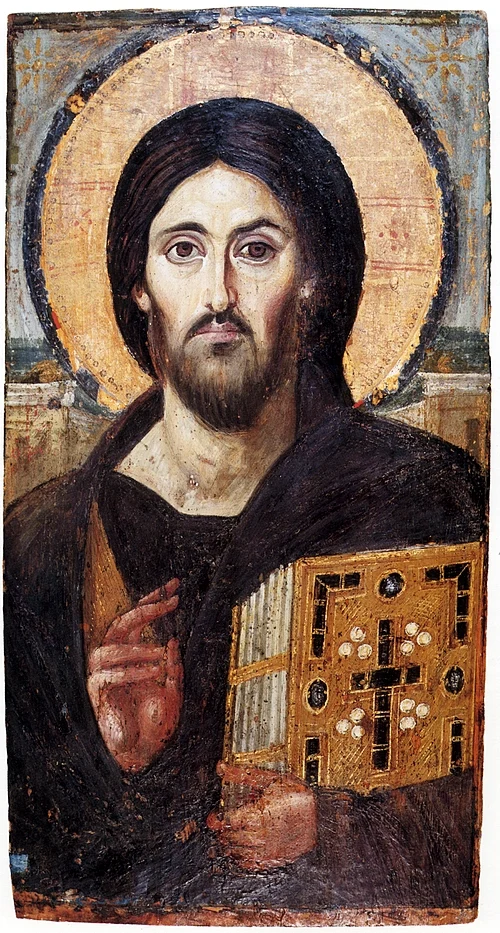
Here the icon question joins the oldest Christological controversies. The Council of Chalcedon in 451 had defined that Christ is one person (hypostasis) in two natures, divine and human, united "without confusion, without change, without division, without separation." One of the properties of any true human nature is that it is circumscribable, bounded in space, visible. St. Theodore the Studite, writing during the second period of iconoclasm around 815-820, pressed the point with a logician's severity: every picture is a picture of a hypostasis, not of a nature. The icon of Christ does not attempt the impossible task of depicting divinity. It depicts the person, Jesus of Nazareth, who is at the same time the eternal Son of God. If He cannot be depicted, God has not truly become man.
In his own defense of iconography, St. Theodore of the Studios Monastery also picks up the word used of the Son in Hebrews 1:3, where Christ is called the charakter, the exact imprint of the Father's hypostasis. The theological vocabulary of image runs through the whole Trinitarian confession. Icons do not invent image-language in Christian theology; they presuppose it. This is why St. Basil the Great's formulation, written two centuries before the iconoclast controversy, could be applied so naturally to icons at the Seventh Council: "The honor paid to the image passes to the prototype" (On the Holy Spirit 18.45).
Christ would not be Christ if He could not be depicted.
St. Theodore the Studite, On the Holy Icons, c. 815–820Christoph Schoenborn puts it well: every denial of the icon is, at root, an unresolved Chalcedonian problem. If one confuses the natures, one ends up trying to depict divinity, which is impossible, and paganism beckons. If one separates them, one ends up depicting a mere man, and Nestorianism beckons. The Orthodox icon walks precisely between those errors because the Orthodox Christology does. The painted face is the face of the one person who is God and man. This is why, in canonical iconography, Christ's halo bears the Greek letters O WN, "He Who Is," the Septuagint rendering of the divine Name from Exodus 3:14. The man in the picture is the God of Moses.
Greek: "underlying reality, person." In the Christological vocabulary settled between the Councils of Nicaea (325) and Chalcedon (451), hypostasis names the one divine Person of the Son, who subsists in two complete natures, divine and human. An icon, St. Theodore the Studite argues, depicts a hypostasis, not a nature. The icon of Christ is thus the image of the incarnate Son, not an attempt to picture divinity as such.
The Iconoclast Controversy
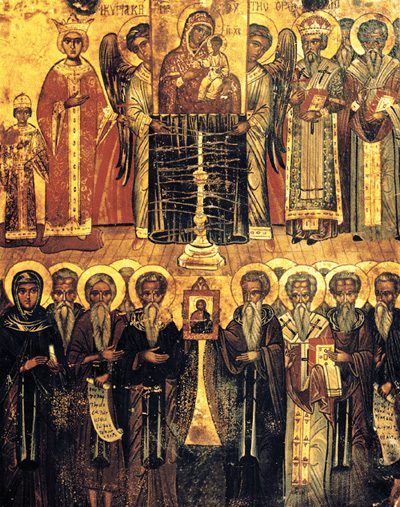
For all the theology behind them, icons almost did not survive the eighth century. The crisis known as Iconoclasm convulsed the Byzantine Empire for more than a hundred years, in two waves, and its resolution in 843 is still celebrated every year on the first Sunday of Great Lent as the Triumph of Orthodoxy.
The trigger was imperial. In 726, Emperor Leo III issued an edict against the veneration of images and ordered his officers to remove the icon of Christ that hung above the Chalke Gate of the Great Palace in Constantinople. The empire had been reeling from Arab military advances, and Leo appears to have concluded that Byzantine defeats were God's judgment on idolatry, and that the images were the idols in question. Patriarch Germanos of Constantinople refused to endorse the policy and was deposed in 730.
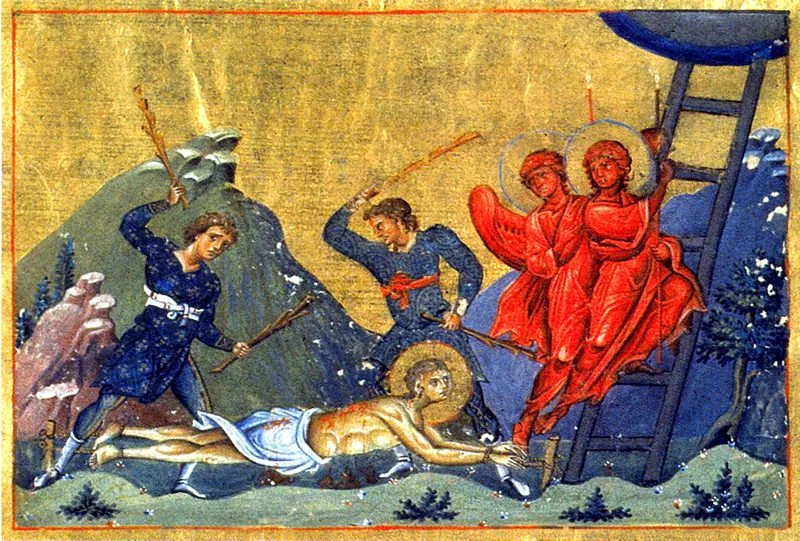
Under Leo's son, Constantine V (r. 741-775), iconoclasm acquired a theological backbone. Constantine V argued that the only true image of Christ is the Eucharist. Any painted icon of Christ, he reasoned, must either attempt to depict His divinity and thereby confuse the two natures (the Monophysite error), or depict only His humanity and thereby separate them (the Nestorian error). He convened a council at Hieria in 754 attended by 338 bishops, condemning the making and veneration of icons. St. Stephen the Younger, a monk who refused to trample an icon of Christ, was beaten to death in the streets of Constantinople in 764.
The defense of the icons came largely from two places the emperor could not reach: the monasteries, and the lands under Muslim rule. St. John of Damascus wrote his three treatises from Mar Saba, safely outside Byzantine jurisdiction. The first iconoclasm was ended at the Seventh Ecumenical Council at Nicaea in 787, convoked by Empress Irene and presided over by Patriarch Tarasios.
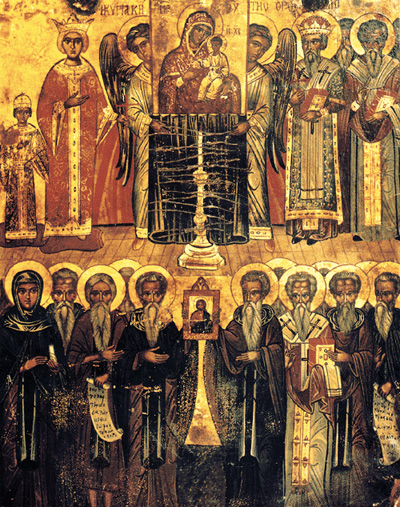
As the prophets beheld, as the Apostles taught, as the Church received, as the teachers laid down as doctrine, as the world has agreed, as grace has shone forth, as truth was made manifest: thus we believe, thus we speak, thus we preach.
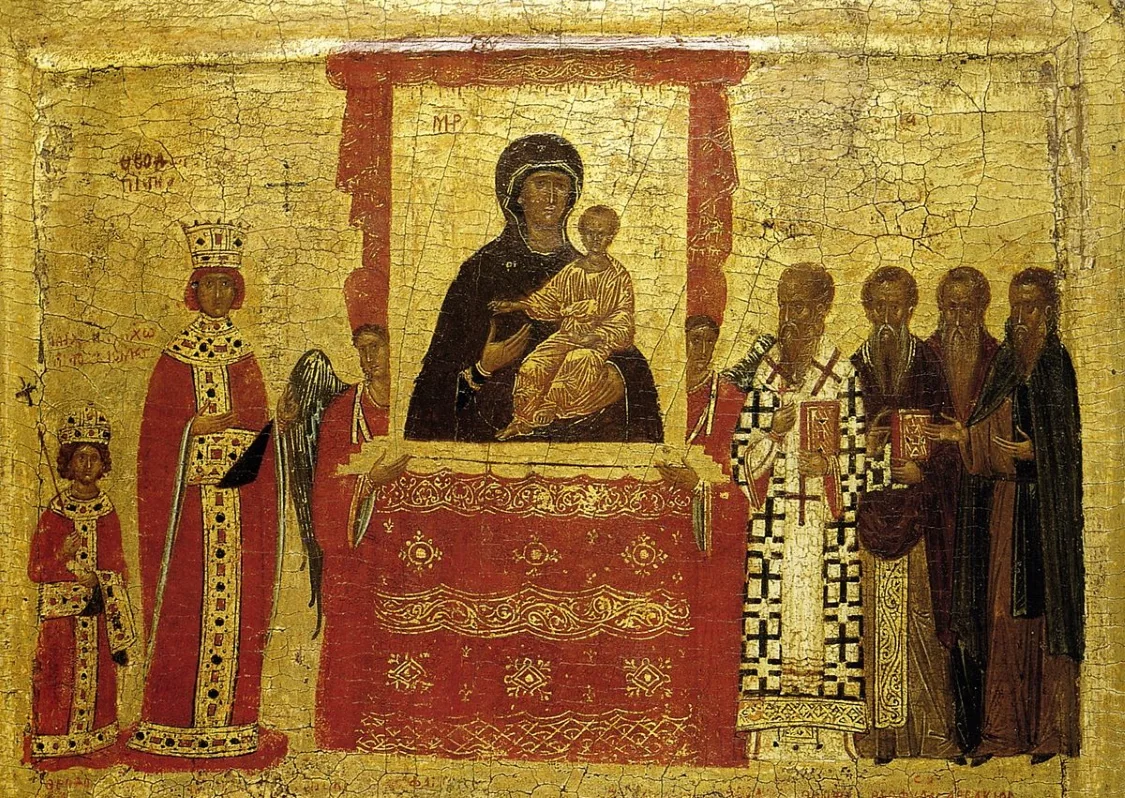
The Synodikon of Orthodoxy, chanted annually on the first Sunday of Great Lent since 843 ADIt was not the end. A second wave of imperial iconoclasm began in 815 under Leo V the Armenian. St. Theodore the Studite, abbot of the monastery of Stoudios in Constantinople, led the resistance, writing from repeated exiles the Antirrhetici that gave iconoclasm its definitive theological answer. The decisive figure in the end was the Empress Theodora, who, as regent for her young son Michael III, sponsored a synod, presided over by Patriarch Methodius, in Constantinople in March 843. On the first Sunday of Great Lent, the 11th of March that year, icons were carried back into the city's churches in procession.
Why should an eighth-century dispute over images matter to a twenty-first-century inquirer in Jersey City? Because the issue it settled is not really about images at all. It is about whether matter can bear the weight of God. The Church, exhausted and persecuted, insisted that the face had been real, that the body had been real, that the bread of the altar was really His Body, and that a board with paint on it, if it carried that same face, shared by grace in that same reality.
The annual commemoration, celebrated on the first Sunday of Great Lent, of the final restoration of the holy icons in Constantinople on 11 March 843 under Empress Theodora and Patriarch Methodios. In parishes throughout the world, a procession of icons is made, and a portion of the Synodikon of Orthodoxy is chanted, linking the contemporary parish to the exhausted victory of the ninth-century Church.
Nicaea II and the Definition of Veneration
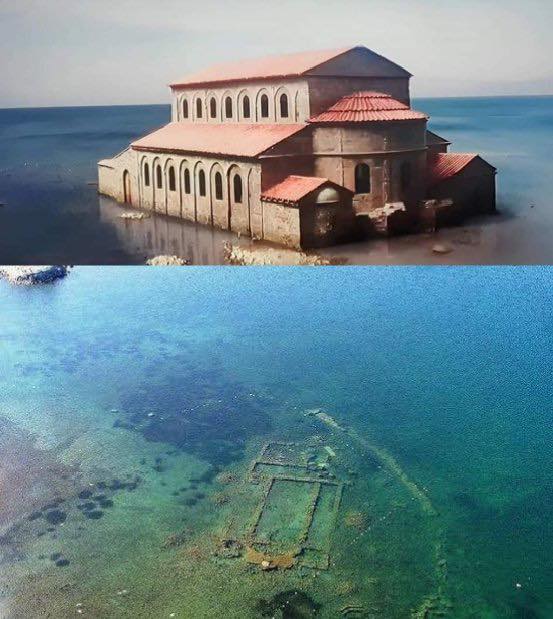
The Seventh Ecumenical Council met in the late summer of 787 in the same Bithynian city of Nicaea where Constantine had gathered the First Council four and a half centuries earlier. An initial attempt to hold the council in Constantinople in August 786 had been broken up by iconoclast soldiers of the palace guard. Empress Irene reassigned the troops, and in September 787 some 350 bishops assembled in the Church of Hagia Sophia in Nicaea, with Patriarch Tarasios of Constantinople presiding and legates of Pope Hadrian I and of the three other Eastern patriarchs present.
The Council's horos, or dogmatic definition, is precise. It declares that icons "should be set forth in the holy churches of God" and placed "in houses and by the wayside," representing "our Lord God and Savior Jesus Christ, and that of our Lady without blemish, the holy Mother of God, and those of the honorable angels and of all saintly and holy men." The reason follows at once: "for as often as they are seen in their pictorial representations, people are lifted up to the memory and longing after their prototypes; and to these should be given due salutation and honorable reverence, not indeed that true worship of faith which pertains alone to the divine nature." The governing principle, borrowed from Basil the Great: "the honor paid to the image passes on to that which the image represents."
The Seventh Ecumenical Council defined that latreia, true adoring worship, is due to God alone. Proskynesis, literally "bowing toward," is a physical act of reverence rendered to parents, rulers, holy places, relics, the Gospel Book, the Cross, and icons. The Council called the specific reverence due to icons timetike proskynesis, "honorable veneration." English translators have sometimes rendered both terms by "worship," which is the source of endless confusion. But the point is that there is a distinction between worship Orthodox have only ever offered to God and veneration which is much more widespread in its attribution.
The reading of the Second Commandment that undergirds the Council follows the patristic logic already set out by St. John of Damascus. The prohibition in Exodus and Deuteronomy aimed at the idolatry of the surrounding nations; the same God who spoke that commandment also commanded the making of the cherubim, the bronze serpent, and the cherubim of Solomon's Temple; and the Incarnation has now disclosed the form that Israel had not yet seen. The Council was not abolishing the commandment, in its own understanding, but reading it Christologically.
Reception in the Christian world of 787 was uneven. Pope Hadrian I accepted the Council. The Latin translation that reached Charlemagne's court in Francia, however, was badly mangled, conflating latreia and proskynesis under the single Latin word adoratio. Reading the mistranslation, the Frankish court believed that the Greeks were prescribing divine worship of images. The Synod of Frankfurt in 794 formally repudiated what it took the Council to teach. The misunderstanding was largely a matter of faulty translation combined with different local sensibilities; Rome, throughout, maintained Nicaea II. The Orthodox have received Nicaea II without qualification. John Calvin, writing his Institutes some 750 years later, dismissed the Nicene distinction between latreia and proskynesis as sophistry, and the Reformed tradition has generally retained a strict image prohibition. It should probably be mentioned that Calvin had no recourse to archaeology or art history of a modern sophistication, was familiar with only rabbinic Judaism that had become more strictly anti-icon, and was therefore under the impression that icons were an innovation of the 7th century unknown to early Christians and Jews. The archaeology has now provided many Pre-Nicene icons, and evidence of icons and their veneration going back to the apostolic age. The Orthodox, for their part, chant the Council's definition on the first Sunday of Great Lent to this day.
We salute with honorable reverence the holy and venerable images, but we reserve true worship of faith to the divine nature alone. The honor paid to the image passes to the prototype.
Paraphrased from the horos of Nicaea II, 787, citing St. Basil the Great, On the Holy Spirit 18.45The Theology of the Icon as Window
Out of the long centuries of Orthodox practice, a characteristic theology of the icon has matured. Its canonical expression in the modern period is found in Leonid Ouspensky and Vladimir Lossky's The Meaning of Icons (1952), Ouspensky's Theology of the Icon, and Pavel Florensky's Iconostasis, written in 1922 and published posthumously in 1972.
Orthodox Christians often say that an icon is "written," not "painted." The usage rests on the fact that the Greek verb graphein, and the Slavonic pisat', mean both to write and to paint. The underlying theological point survives the quibble. An icon is a theological text in form and color. It is not a free composition but a considered statement, bound to a tradition of seeing, and the iconographer works under the same kind of ecclesial discipline as a chanter or a preacher.
That discipline shows in a set of formal features the catechumen soon learns to recognize. The backgrounds are characteristically gold, a visual claim that what is depicted stands in the uncreated light of God, the same light that shone from Christ on Mount Tabor at the Transfiguration. There is no single natural light source; everything glows from within, because the transfigured flesh is itself luminous. Perspective is commonly reversed: the vanishing point lies not behind the picture plane but in front of it, near the viewer, so that the icon seems to open outward rather than recede. Pavel Florensky argued that the icon refuses the one-point perspective of Renaissance painting precisely because it will not reduce reality to the viewpoint of the autonomous observer. The human figures are stylized in a deliberate way: the ears and eyes are large, the mouths small, because the body is shown as it will be in the resurrection, its senses attuned to the Word. Every icon bears an inscription of the name. Without the name, the iconographer will tell you, it is not yet an icon.
Step into an Orthodox church and you encounter the iconostasis, the screen of icons that stands between the nave and the altar. A complete Russian iconostasis has as many as five tiers: at the bottom, the local row, with the royal doors at the center flanked by the icon of Christ and the Theotokos; above that the Deesis row, at whose center Christ is enthroned with the Theotokos on His right and St. John the Baptist on His left, joined by apostles, angels, and saints all turned toward Christ in attitudes of intercession; above that the feast row depicting the Twelve Great Feasts; then the prophet row and the patriarch row, and crowning all, the Cross.
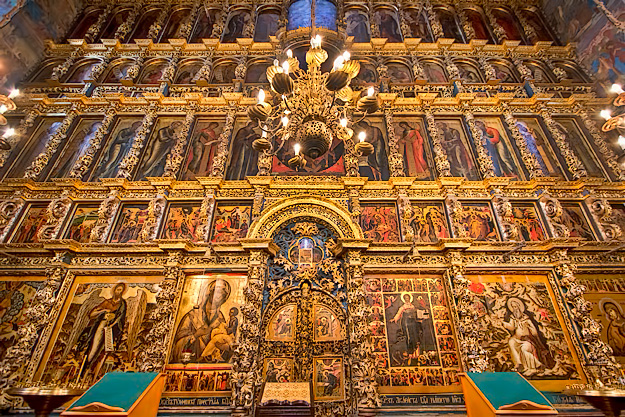
The iconostasis is a boundary between the visible and invisible worlds, and it functions as a boundary by being an obstacle to our seeing the altar, thereby making it accessible to our consciousness by means of its unified row of saints, that is, by its cloud of witnesses.
Pavel Florensky, Iconostasis, p. 62 (written 1922)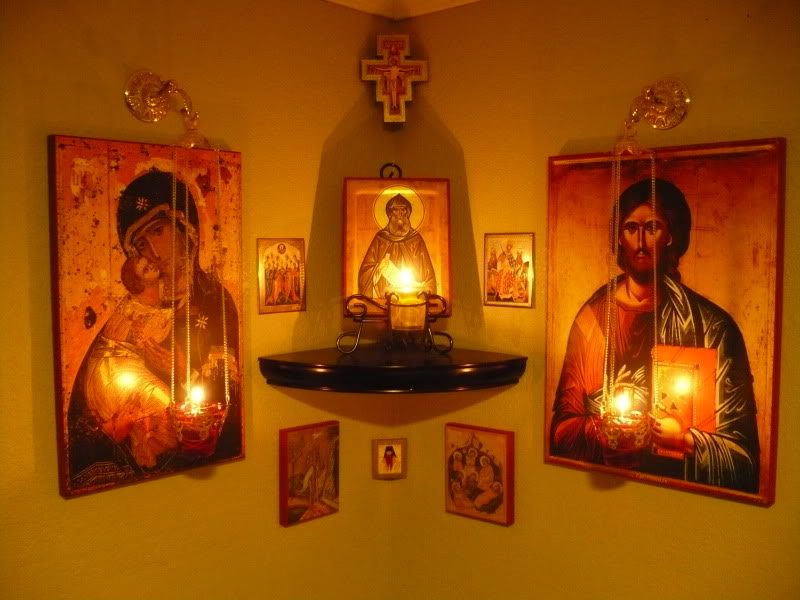
What holds for the church holds, in smaller measure, for the home. The Russian tradition calls the corner of the living room where icons are kept the krasny ugol, usually rendered "beautiful corner," since the Old Russian krasny carried both "red" and "beautiful." The icon corner is customarily set in the east of the main room, so that the family faces east when praying. A small oil lamp, the lampada, hangs before the icons.
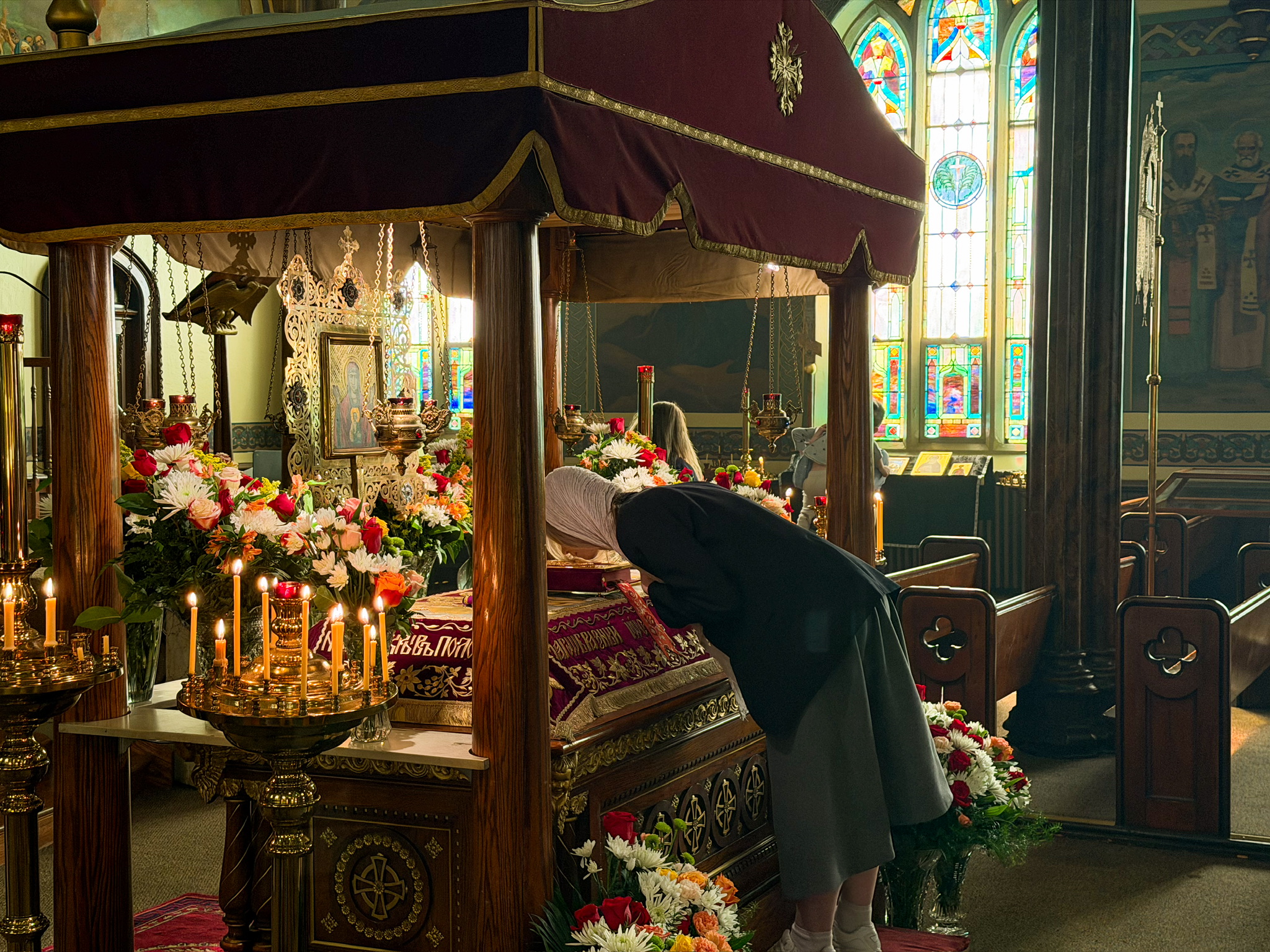
Veneration in practice is specific and embodied. Orthodox Christians make the sign of the Cross twice, kiss the icon, and make the sign of the Cross once more. Christ's icon is kissed on the feet or the hand, and saints on the hands. Incense is burned; lamps are lit. The body prays because the body has been redeemed.
Greek eikonostasion, "icon stand." The screen of icons standing between the nave and the sanctuary of an Orthodox church. It developed over centuries from the low chancel barrier (templon) of early Byzantine churches into the full icon screen of late medieval Russia. Pavel Florensky calls it not a wall of separation but the "materialized edge of the invisible world," the cloud on Sinai rendered in paint and wood.
Common Objections Answered
Catechumens often arrive at their first Orthodox service carrying questions that deserve direct answers. Three come up again and again.
Idolatry, in the biblical vocabulary, has a precise meaning: the worship of a creature as if it were God. The measure of idolatry is not whether a physical object is involved but whether a created thing is receiving what belongs to God alone. The Orthodox confession, ratified at Nicaea II, is that latreia is rendered to God alone, and that the honor paid to the icon passes to the prototype. The Old Testament itself distinguishes between bowing to a creature in honor and bowing to a creature as God. Abraham bows to the Hittites when he buys the cave of Machpelah. Moses bows to his father-in-law Jethro. Jacob bows seven times to Esau. None of these is idolatry. In each case, honor is being rendered to a creature, and in each case the Hebrew verb is the same root that the Septuagint translates proskynein.
The Orthodox reading begins with Deuteronomy 4:15-19, where Moses grounds the prohibition in a specific historical fact: "Since you saw no form on the day that the Lord spoke to you at Horeb." The commandment presupposes that God has not been seen. What changes in the Incarnation is precisely what that verse says has not happened: God has been seen. The Law was a pedagogue, disciplining a child until he came of age (Galatians 3:24). What was forbidden was depicting a God who had not yet made Himself visible. The Orthodox Church does not set aside the Second Commandment. It reads it in the light of the face of Christ.
The prohibition also runs deeper than a simple absence. The reason no carved form was given at Horeb is that God had already placed His likeness in the world: in Adam, made according to His image from the beginning, and then in the priest and king as partial carriers of that presence. Israel was not being kept from God's image. It was being kept from making a substitute for the one He had already made. The Second Commandment does not say God has no icon. It says He has already made one, and it is alive. The Incarnation is not the reversal of that logic but its completion: the Image itself, in whose likeness Adam was always formed, taking on the nature that was made in His image from the start.
Orthodox Christians do not worship saints. What Orthodox Christians do is ask the saints to pray for them, which is the same thing one does when asking a friend on earth to pray. The premise is that the saints are alive. "God is not God of the dead, but of the living, for all live to Him" (Luke 20:38). At the Transfiguration, Moses and Elijah appear and speak with Christ. The Letter to the Hebrews speaks of a "great cloud of witnesses" surrounding us (Hebrews 12:1). When an Orthodox Christian stands before an icon of St. Peter and asks the apostle's prayers, he is doing what Christians have always done when they have asked a holy person to pray for them, with the difference that he is unembarrassed about the death that does not, in Christ, break communion.
Ask any Orthodox Christian what happens when an icon of a saint is damaged beyond repair: it is burned with reverence, and the ashes buried in holy ground.
From Orthodox catechetical practiceLiving with Icons as a Catechumen
Everything on this page is, in a sense, introductory. What the catechumen most needs is not a larger theory of icons but a practice, small, steady, and honest enough to grow into.
The pastoral guidance at Saints Peter and Paul Cathedral, and in Orthodox parishes generally, is that a catechumen may begin venerating icons from the beginning of the catechumenate. There is no rule that makes one wait for chrismation. A catechumen who is not yet ready to kiss an icon should not be rushed, and no one will think less of him for standing quietly before it. A catechumen who is ready should simply learn the most common customary form: approach the icon, make the sign of the Cross, bow slightly, make the sign of the Cross again, kiss the icon (Christ on the feet or the hand, the saints on the hand), and make the sign of the Cross once more as he steps back. Fr. Thomas Hopko liked to say that reverence is learned by doing it. Watch the older faithful in the parish. Imitate without anxiety. The body will teach the soul.
The home icon corner should be set up soon. It does not need to be elaborate. Start with two icons: Christ, usually painted as Pantocrator ("ruler of all"), traditionally placed on the right as one faces the corner, and the Theotokos, traditionally placed on the left. Add the patron saint whose name you bear, or the saint whose name you hope to take at baptism or chrismation. Many catechumens at this parish add an icon of Saints Peter and Paul, the patrons of our parish, so that the household is joined in image to the household of the local church. An oil lamp or a candle can be lit for prayer. A hand cross, a small Bible, and a prayer book belong nearby. The corner should face east if the architecture allows; that is to say that you should be facing east when you are looking at them. In Jersey City apartments, one does what one can; sincerity matters more than orientation.
What happens at the icon corner is the rule of prayer, the morning and evening prayers that are the backbone of the Orthodox day. Fr. Hopko's counsel, echoing two millennia of monastic wisdom, was to do what one can do every day rather than what one cannot keep up. A brief rule kept faithfully will outlast a long one abandoned in a week. Stand before the icons. Light the lamp. Make the sign of the Cross. Say the prayers. Let your eyes rest on the face of Christ. When your mind wanders, and it will, the icon will be there to bring it back.
One of the most helpful things a catechumen can do in the first year is to acquire the icon of the feast whenever a Great Feast approaches. Nativity, Theophany, Transfiguration, Pascha: the year itself becomes a catechism in paint. The priest will also bless the home at Theophany, walking through each room, and the icon corner becomes the natural point of arrival for that blessing.
A final word: icons can intimidate a catechumen more than they should. They are not exams. They are not performances of piety. They are the faces of the friends Christ has given us, and His own face above them. Over time, a house lived in before icons becomes a house in which Christ is quietly but permanently at home. Light the lamp. Stand with the saints. Christ will meet you where you stand.
Begin with four icons and grow from there: Christ Pantocrator; the Theotokos (the Vladimir or Kazan types are classical and widely available); the patron saint whose name you bear or plan to take; and the patrons of this parish, Saints Peter and Paul. A lamp or candle, a hand cross, a prayer book, and a Bible complete the corner. Do not wait for the perfect set. Start with what you have.
What books are to those who can read, that pictures are to the unlettered who look at them; in pictures even the unlearned see what example they should follow; in pictures they who know no letters may yet read.
Pope St. Gregory the Great, Epistle to Serenus of Marseilles (ca. 599–600 AD), cited at Nicaea II, 787A Gallery of Holy Icons
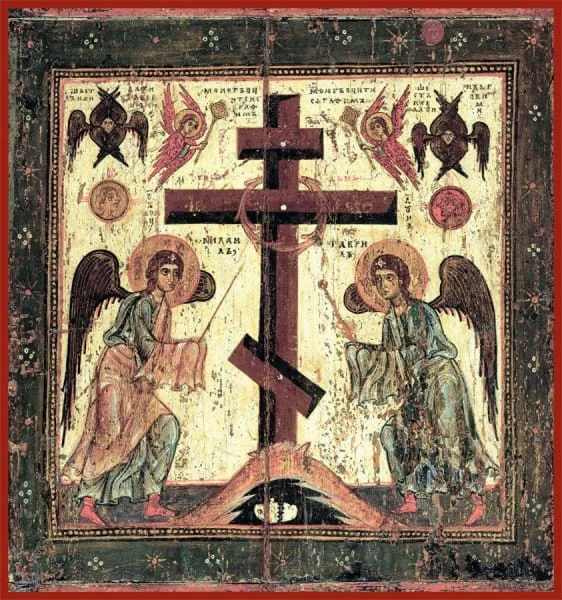
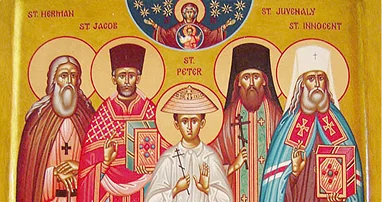
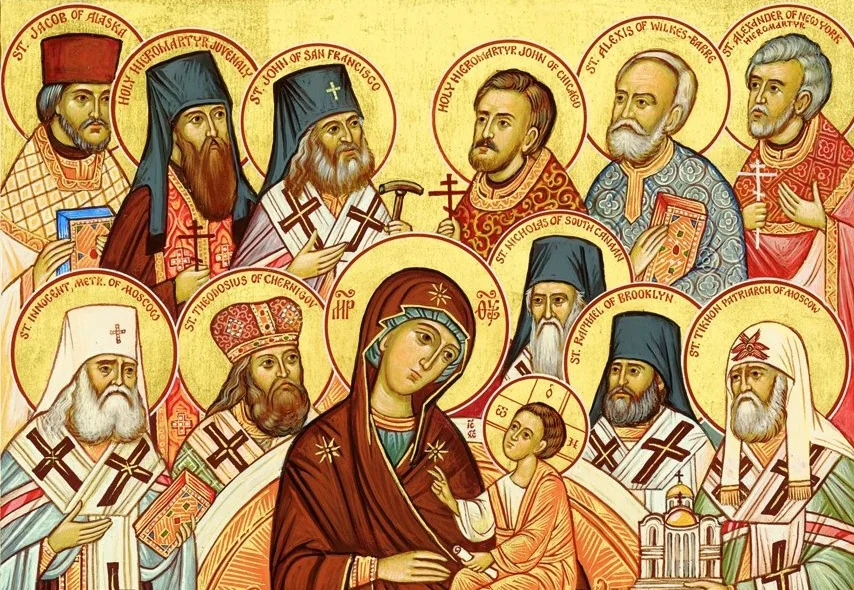
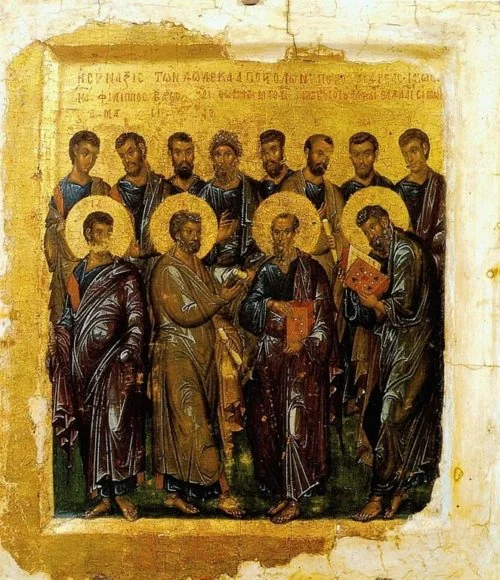
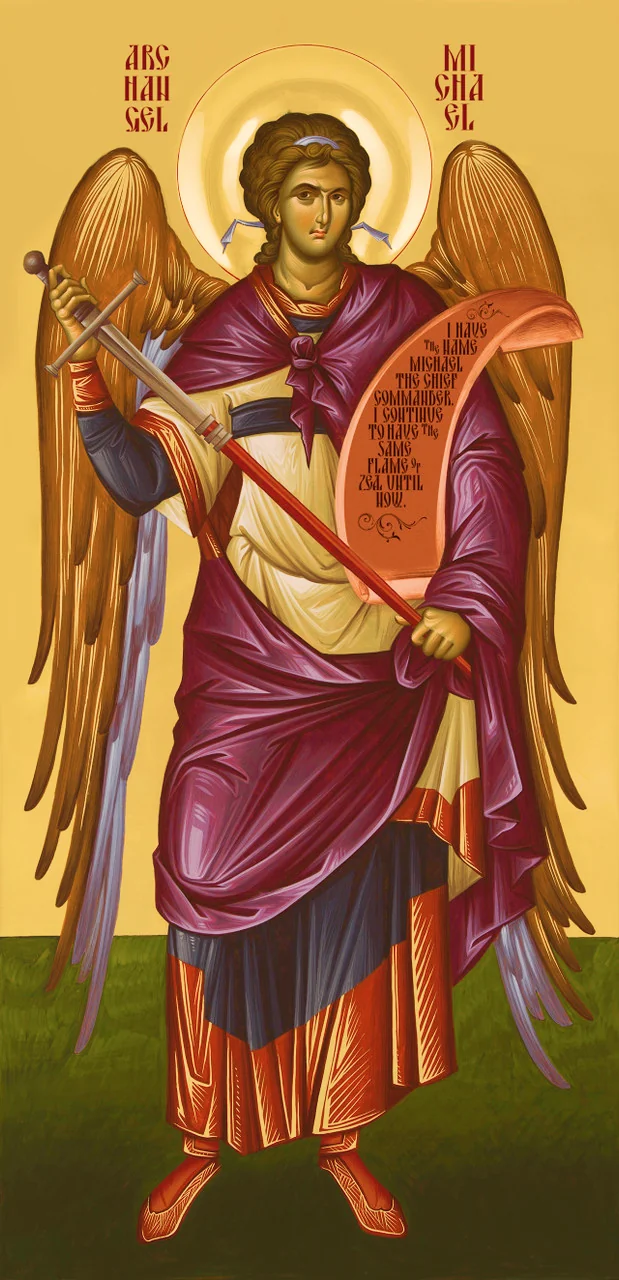
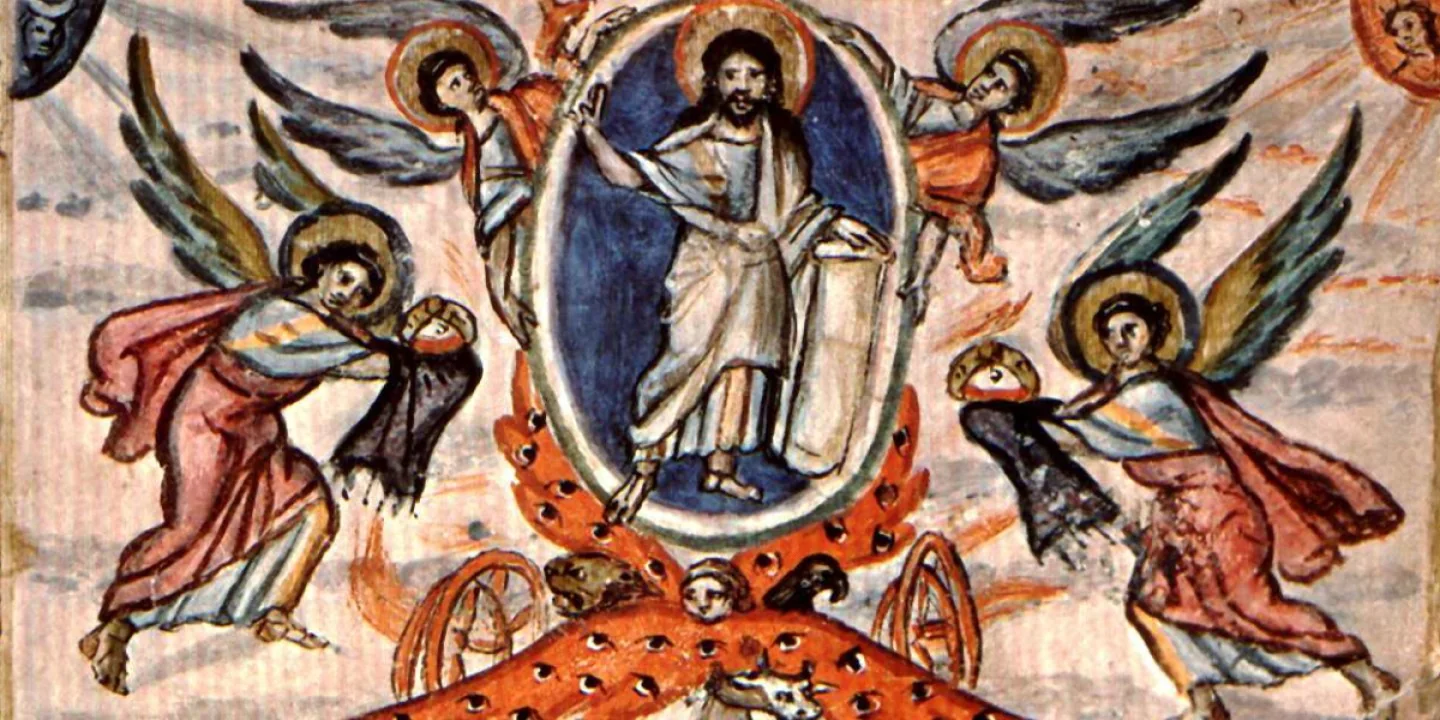
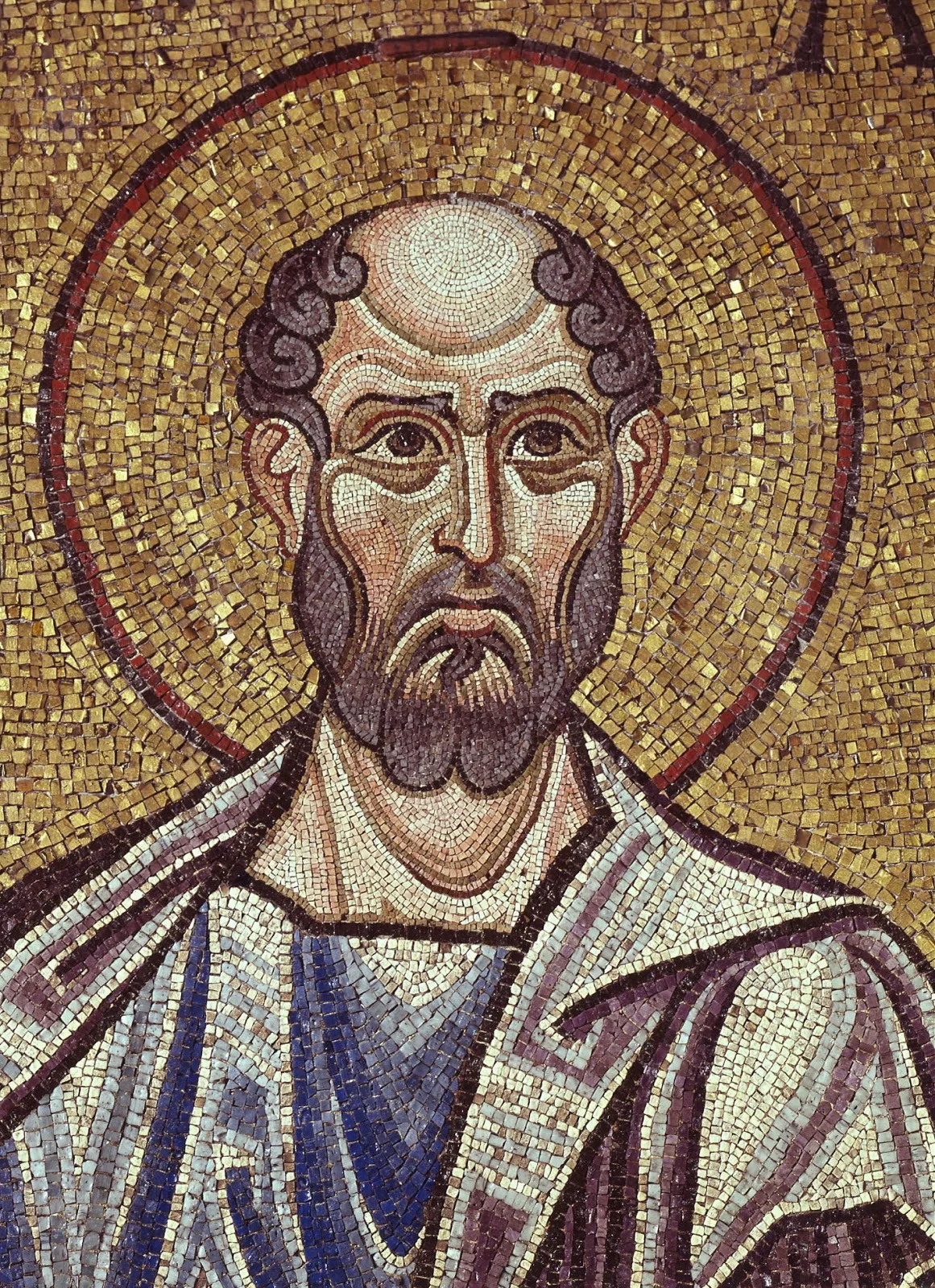
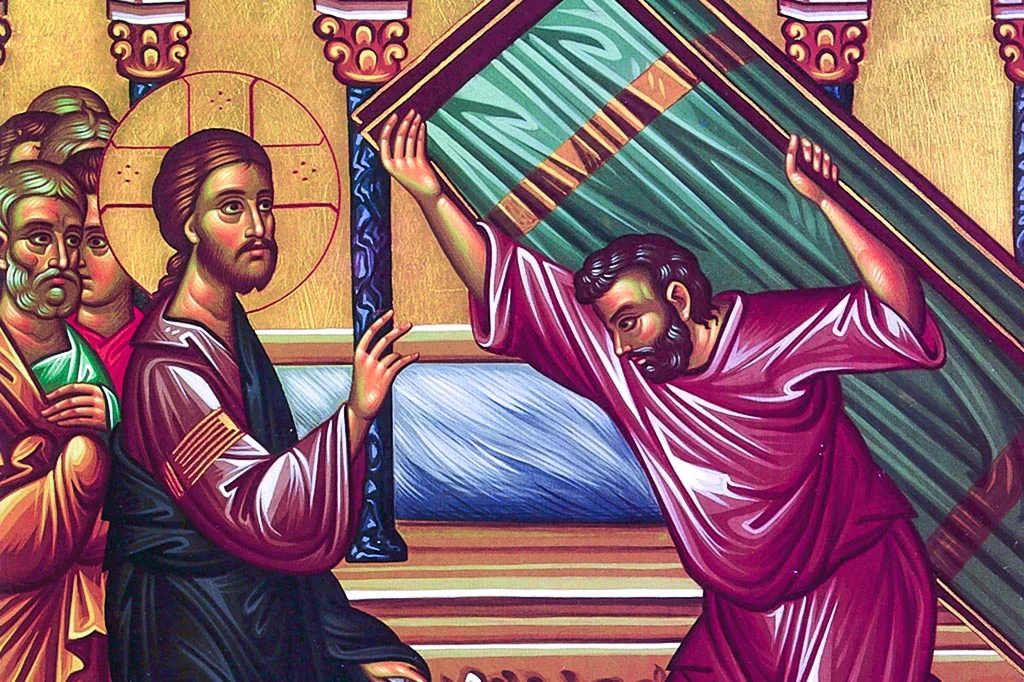
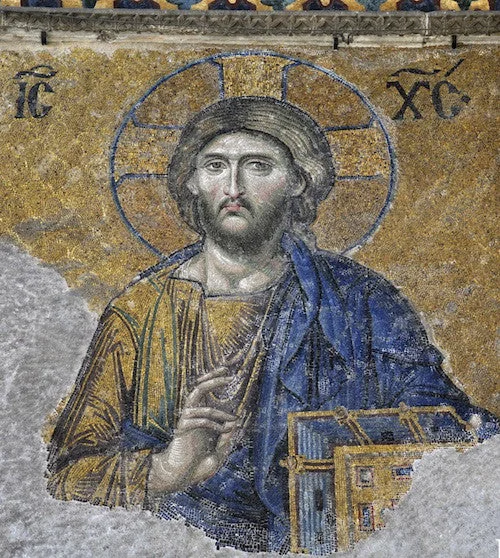
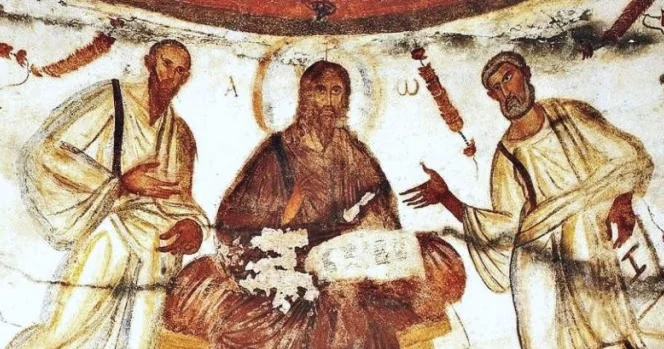
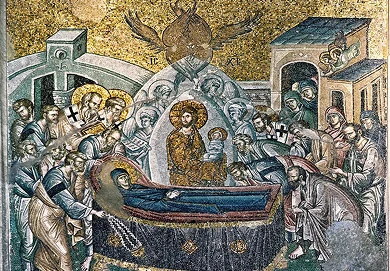
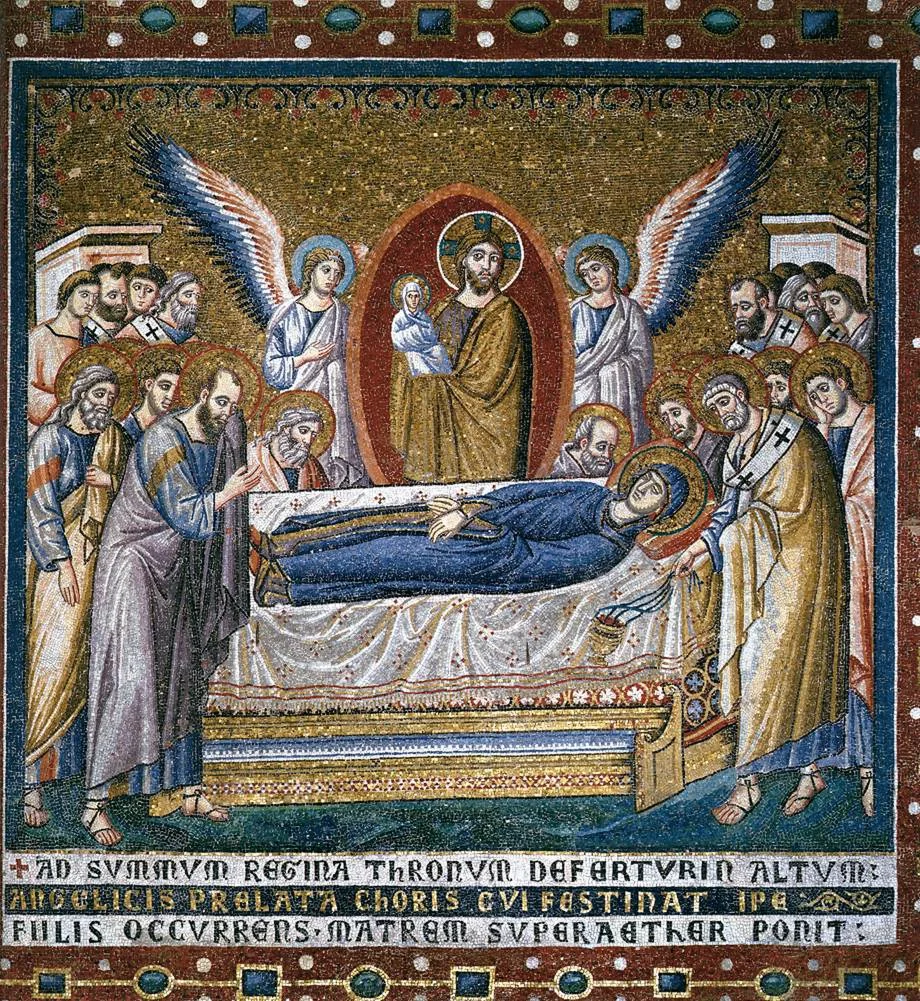
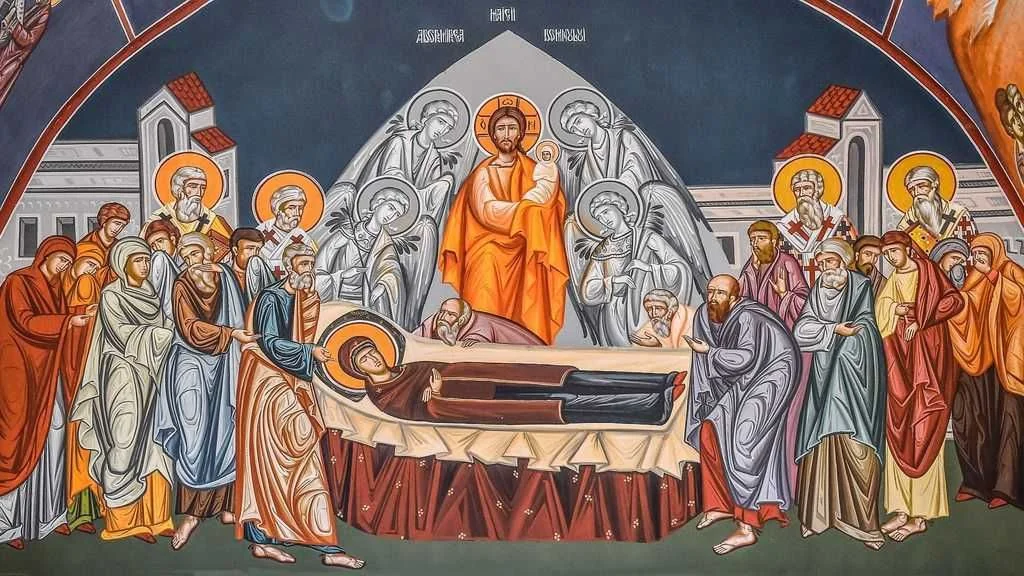
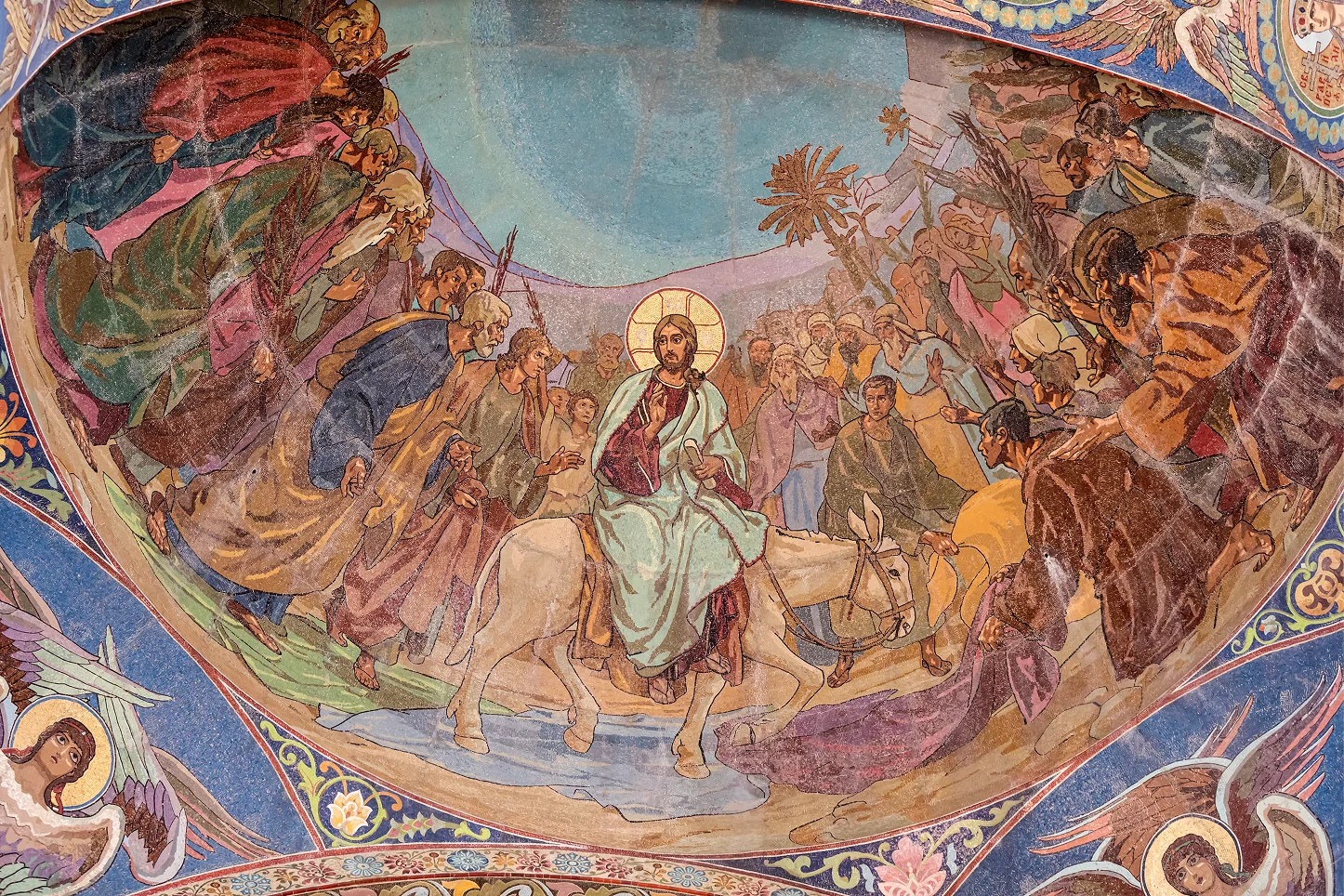
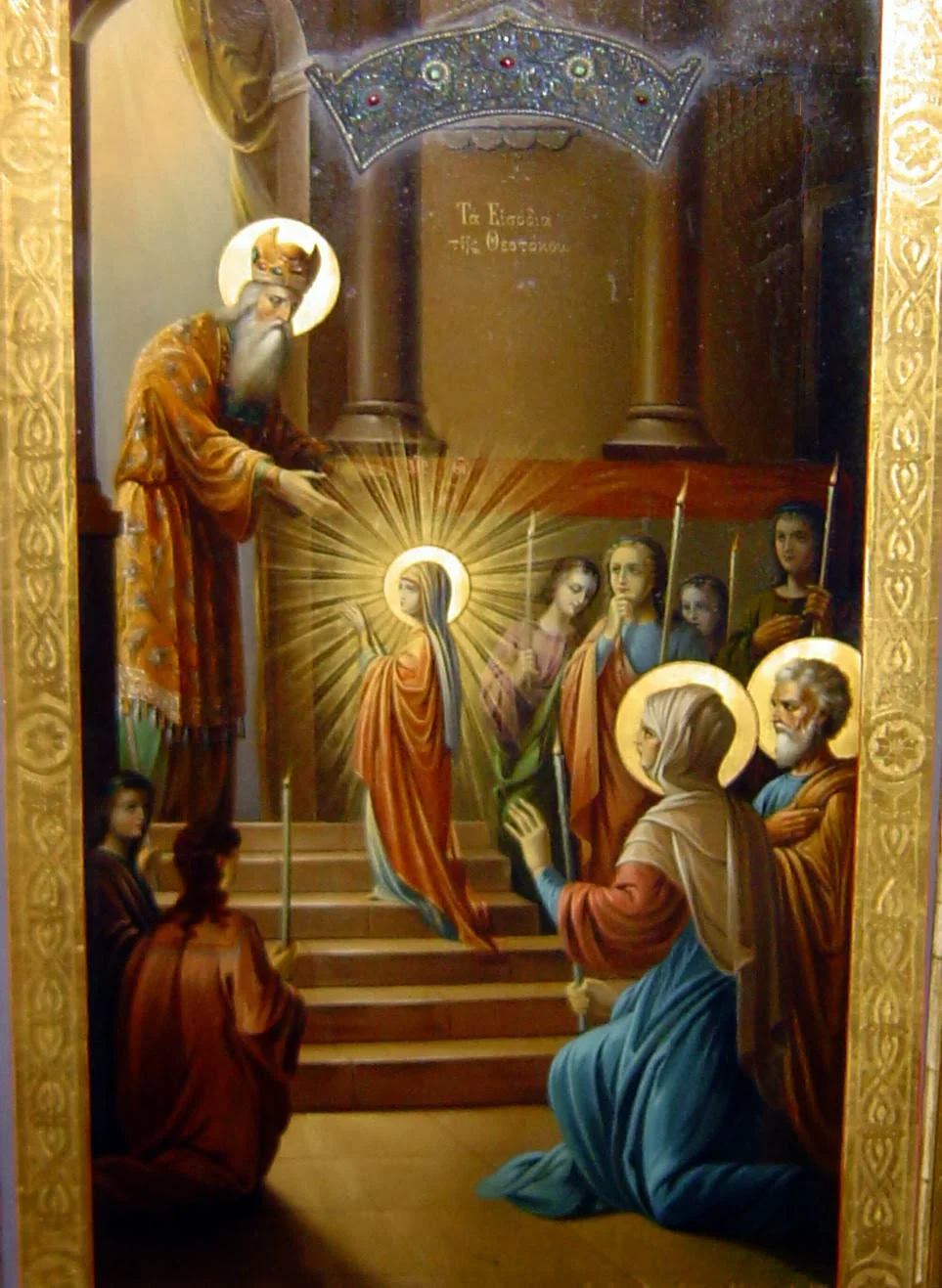
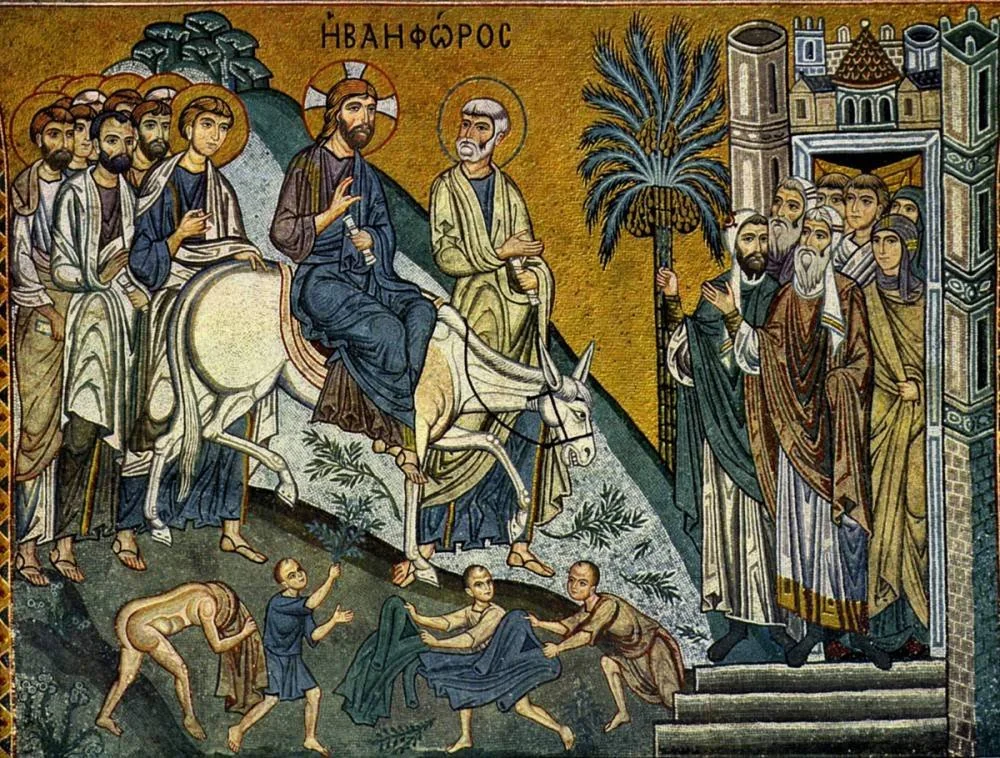
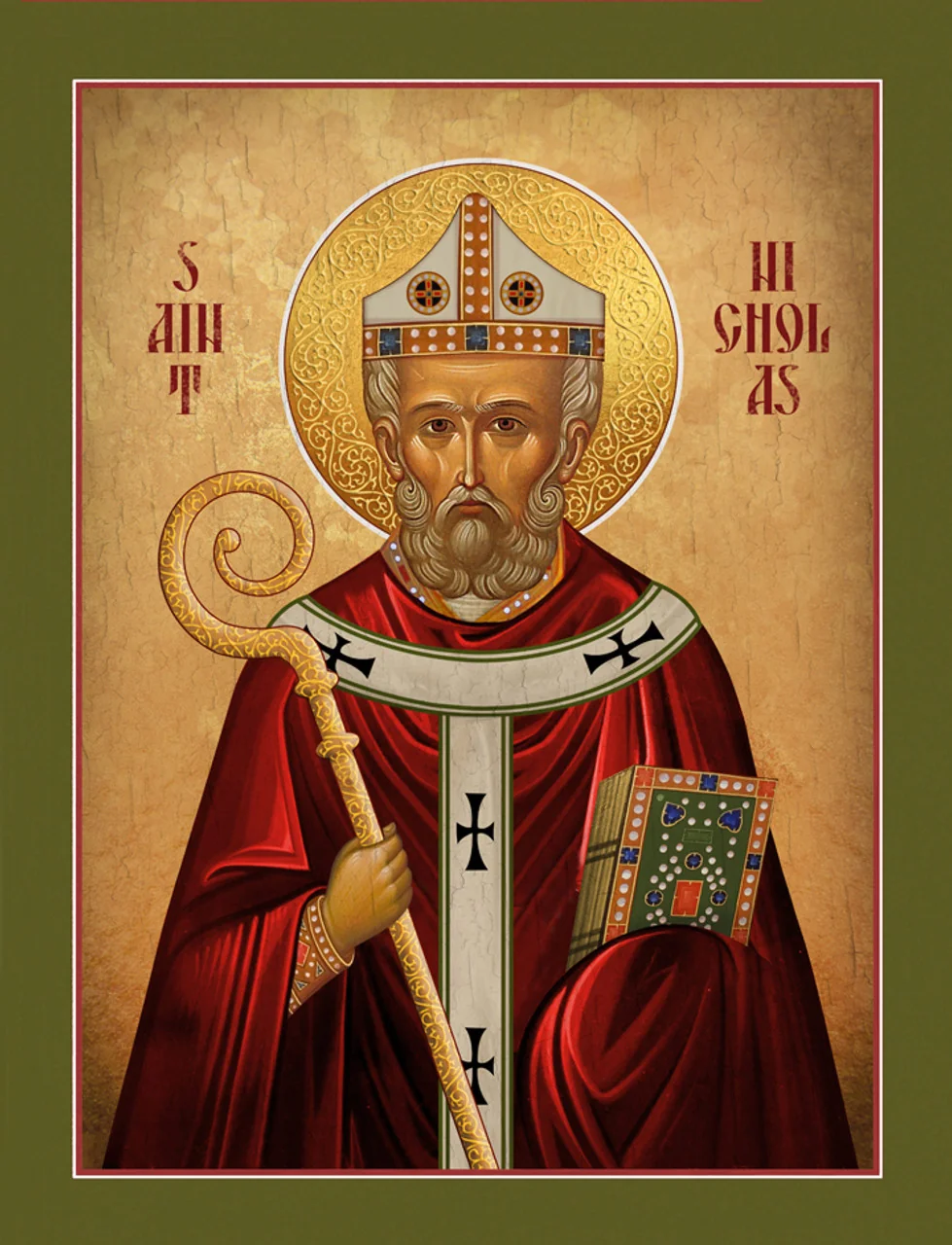
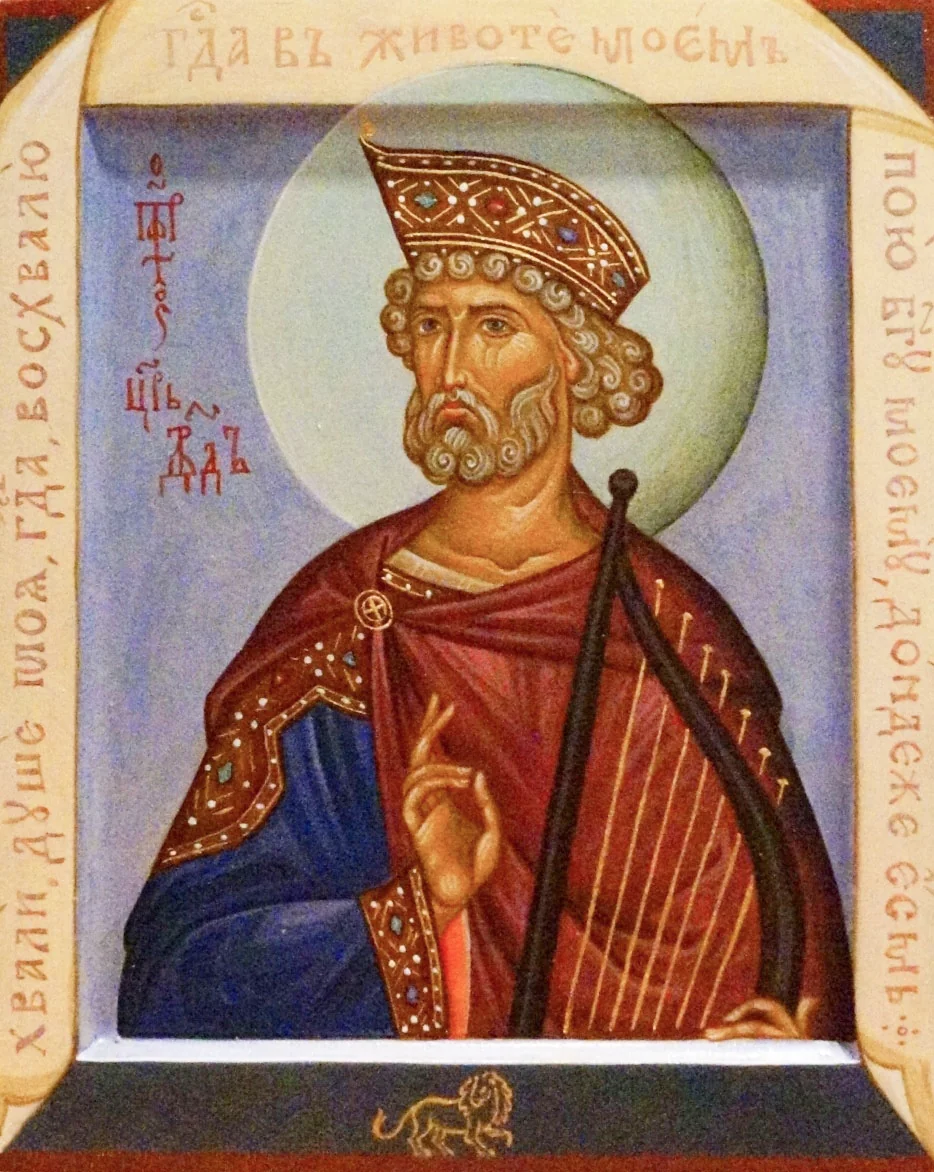
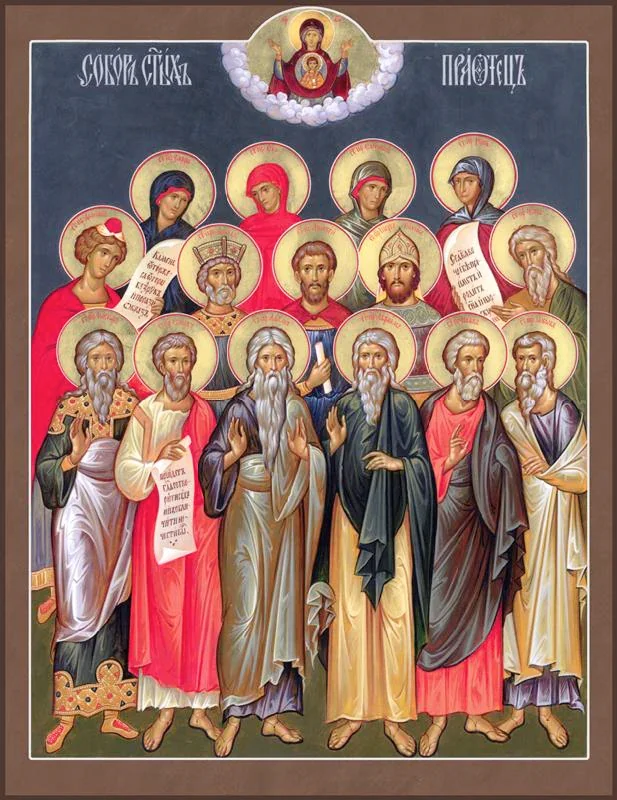
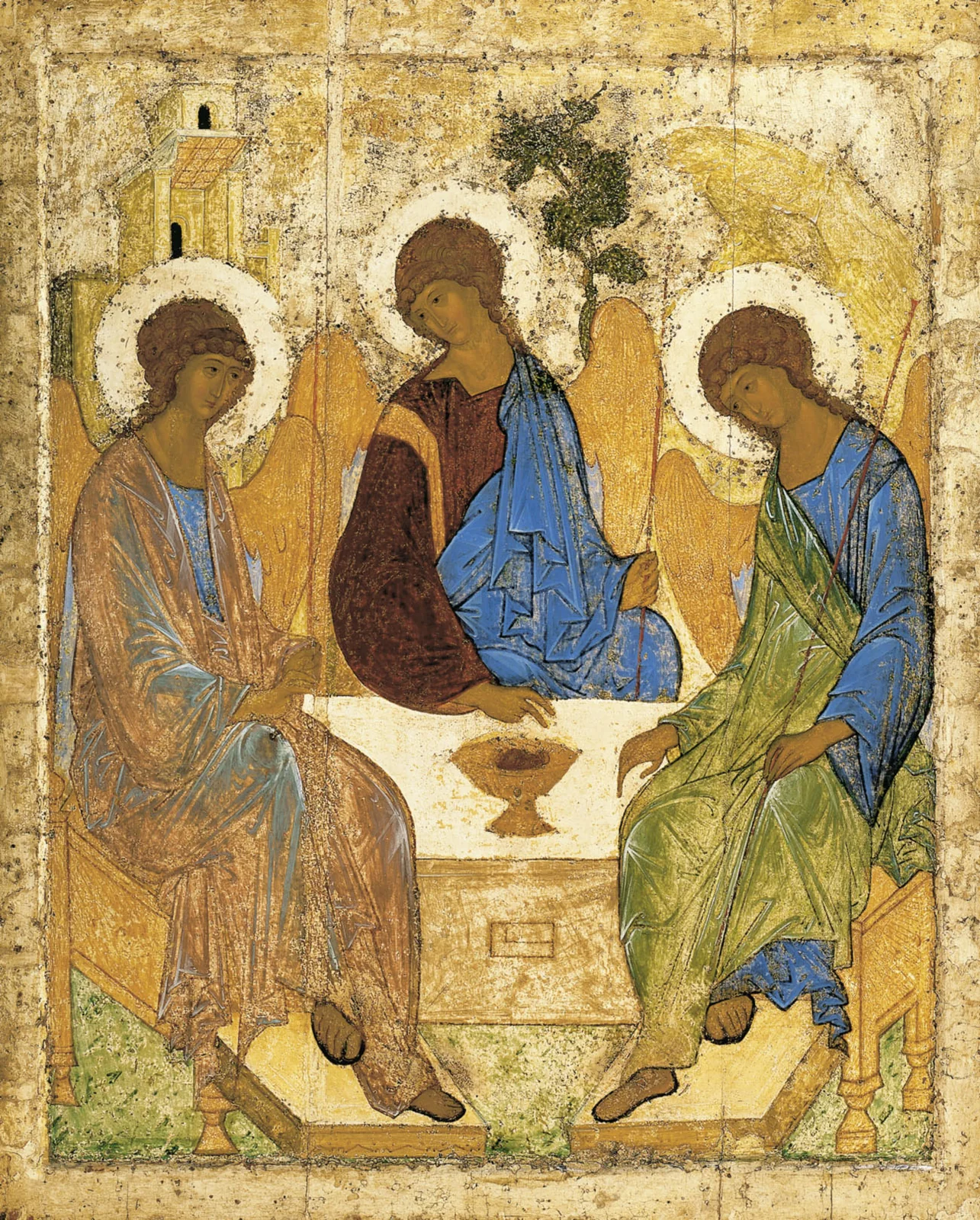
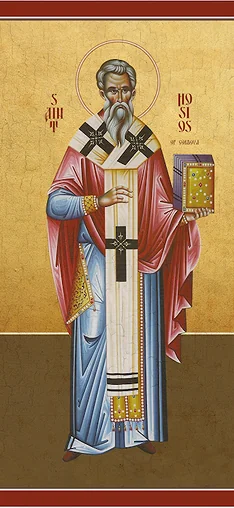
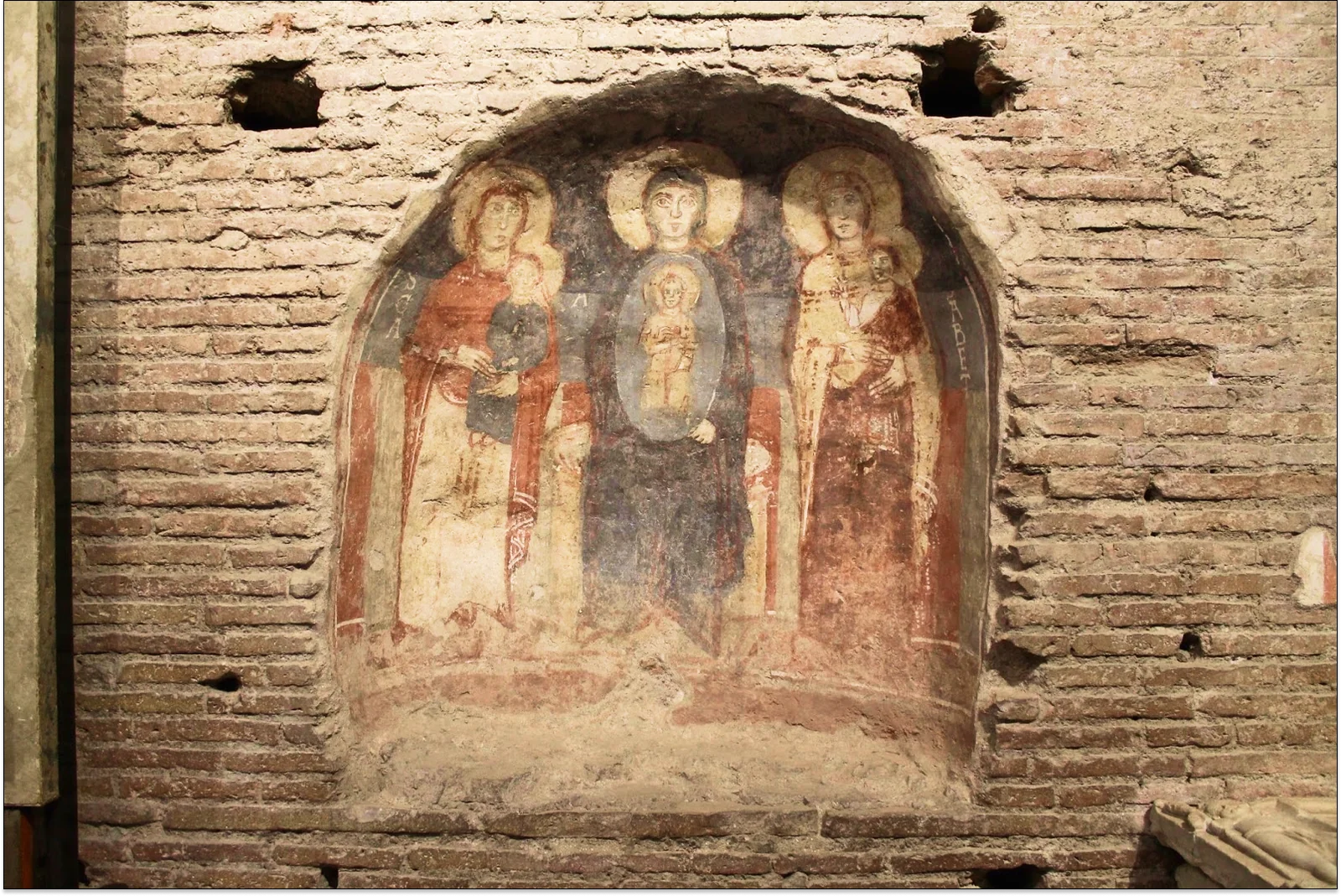
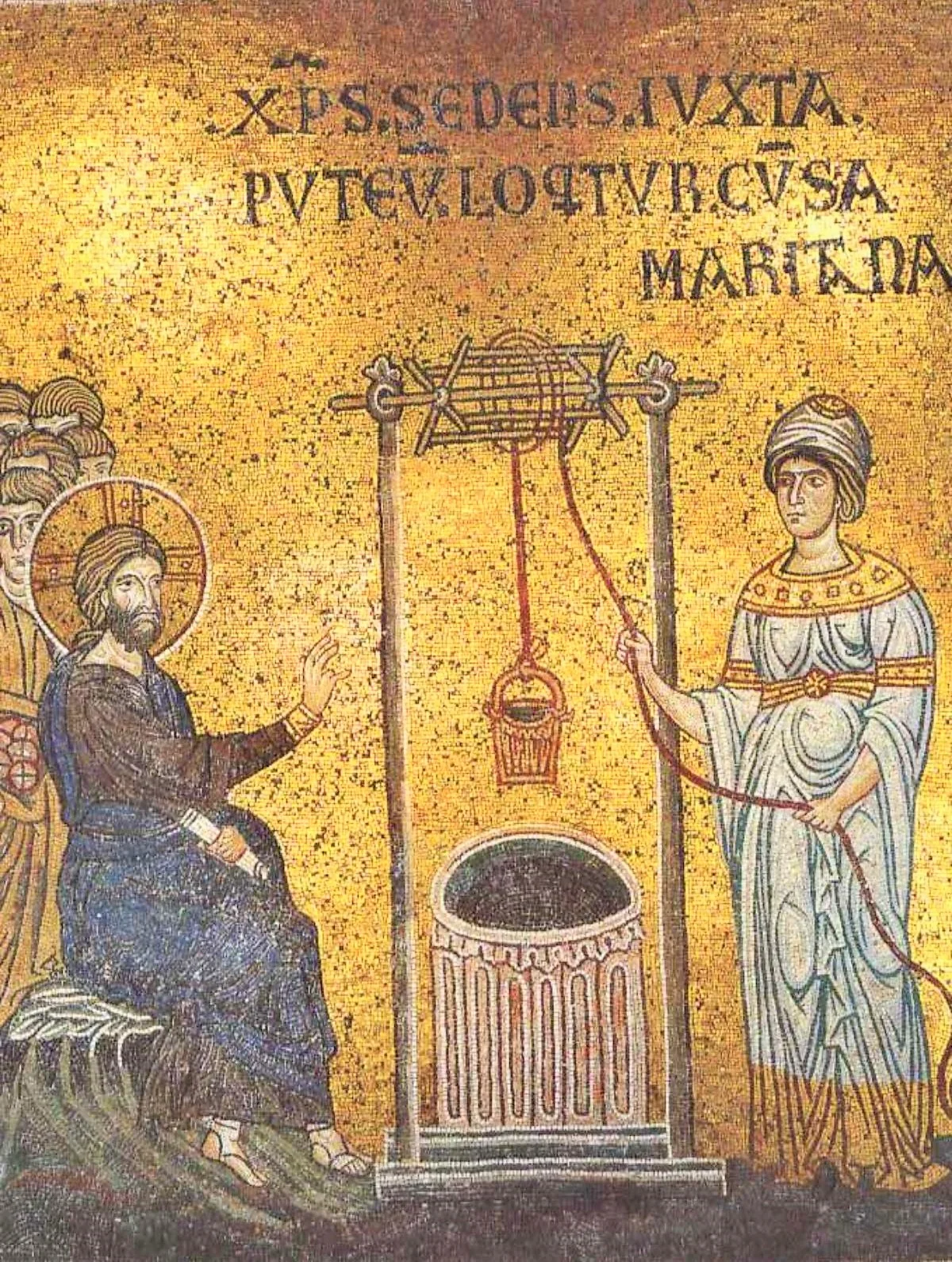
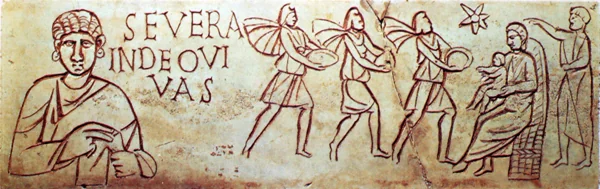
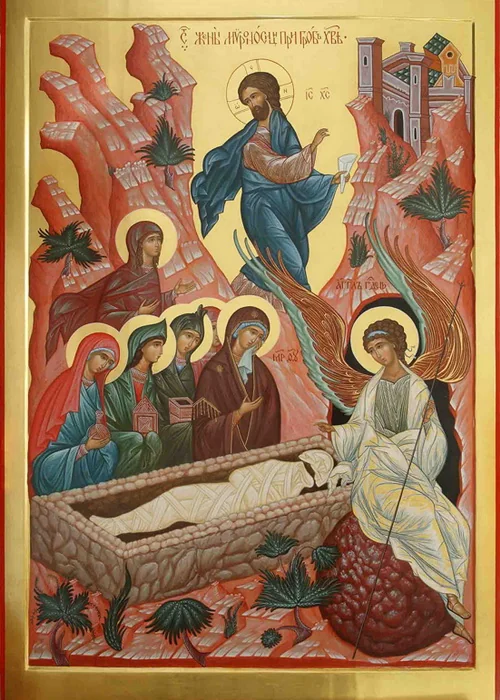
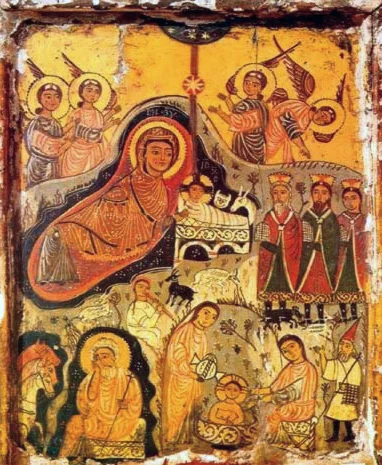
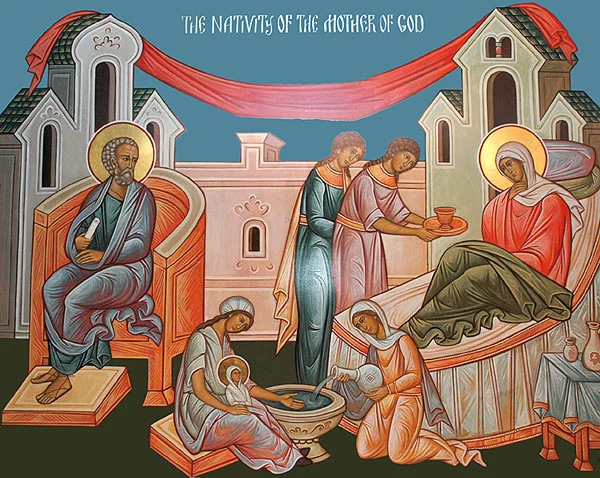
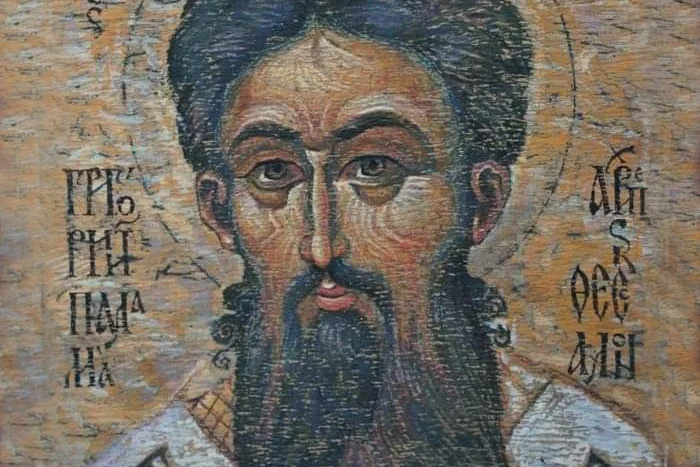
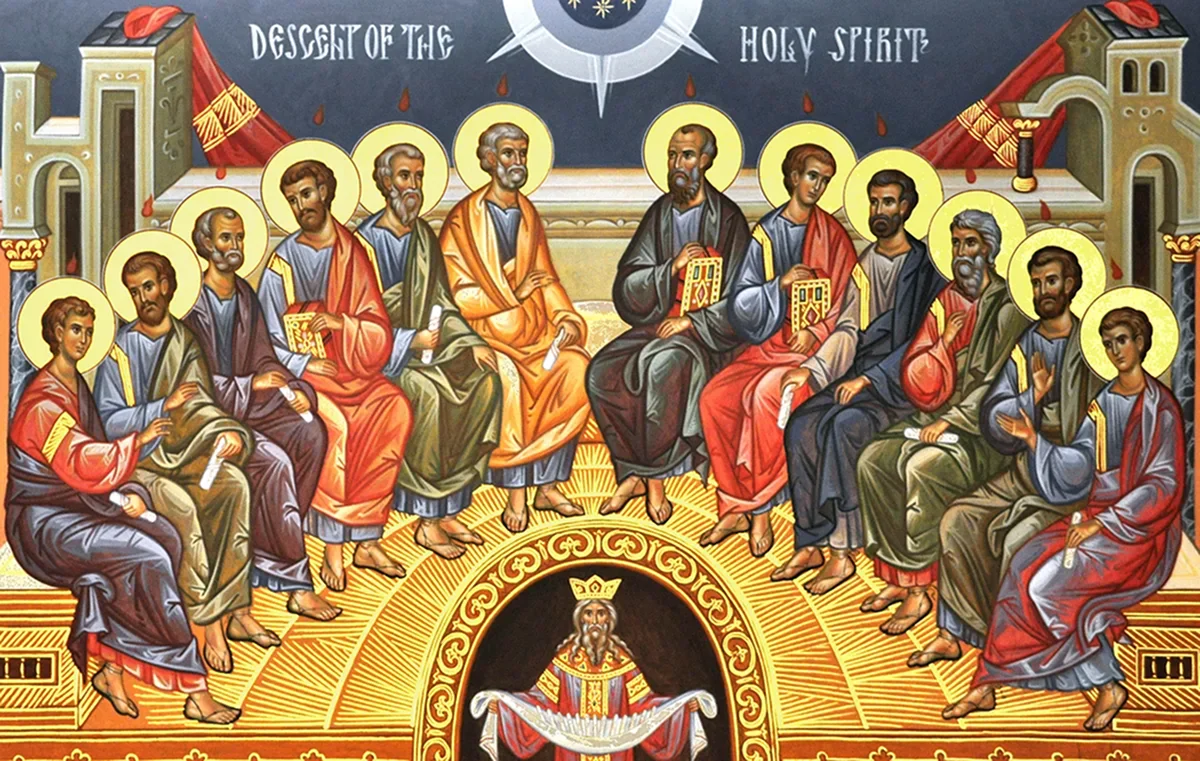
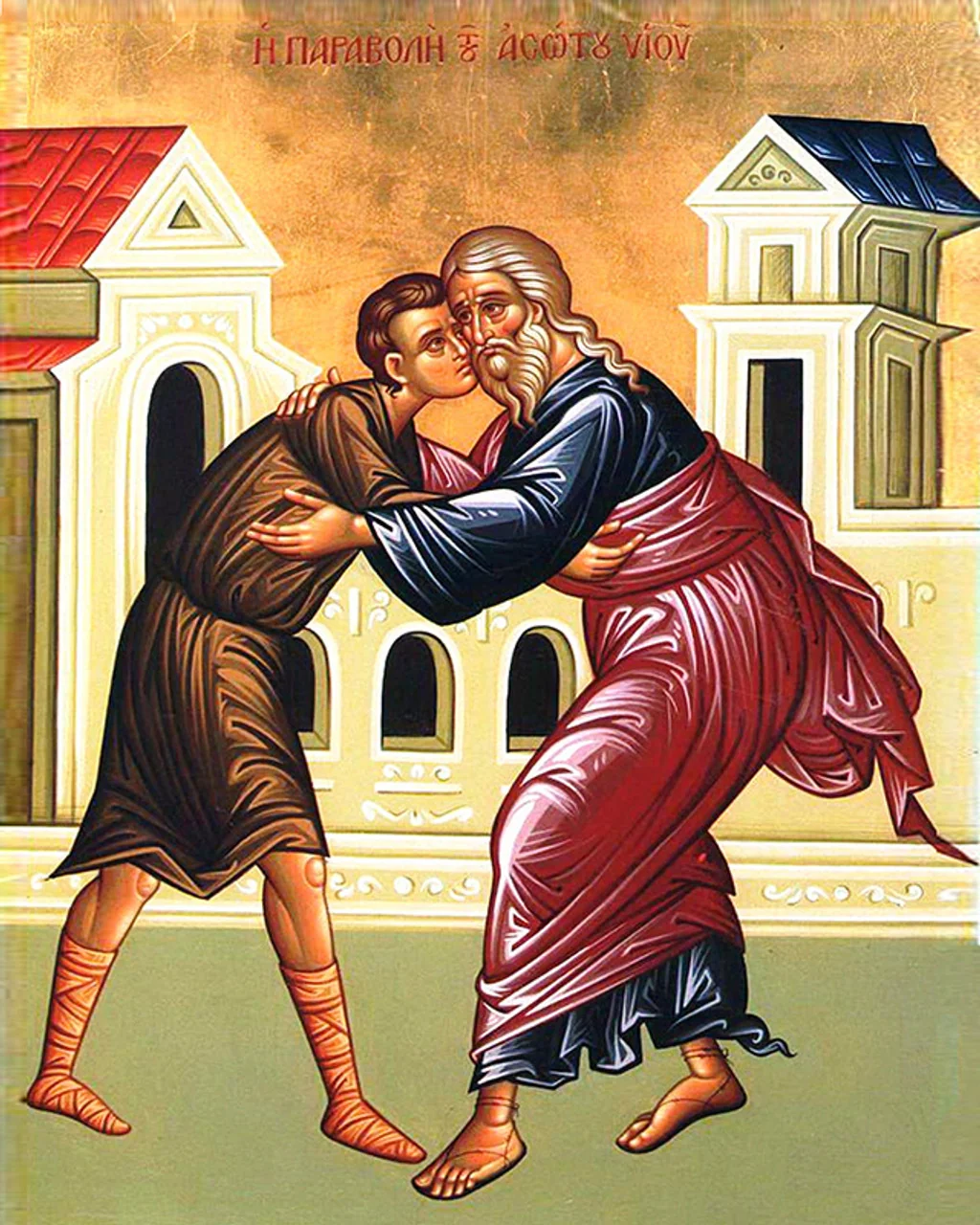
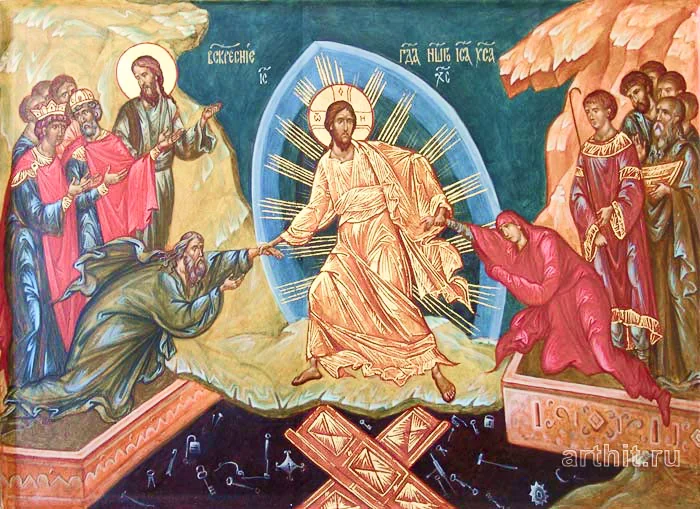
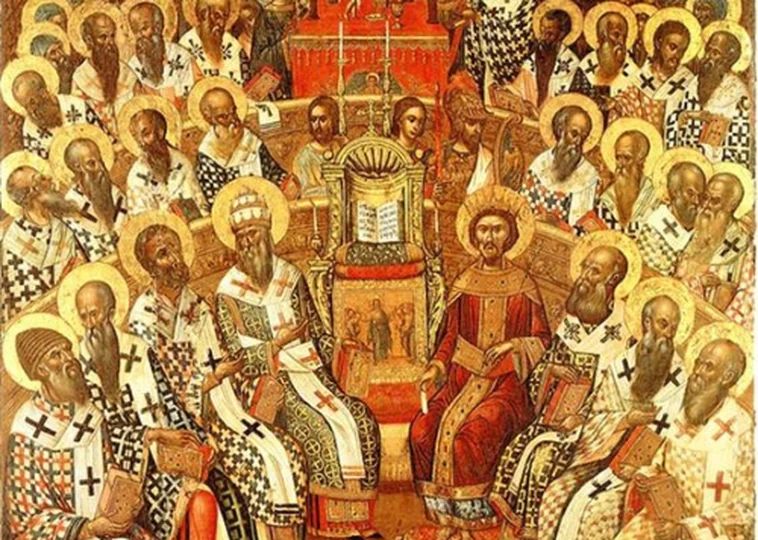
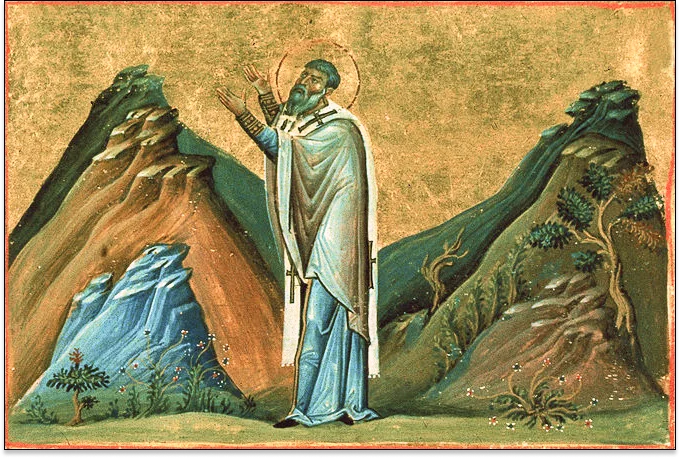
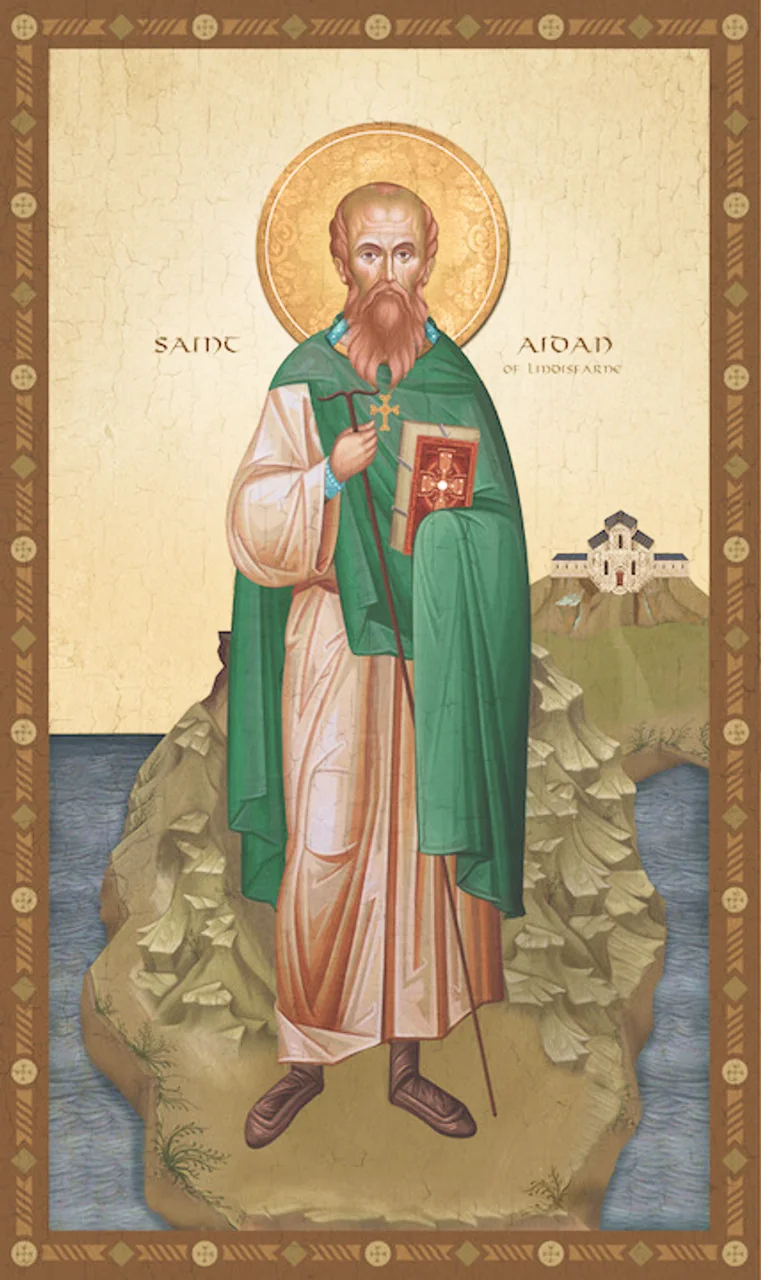
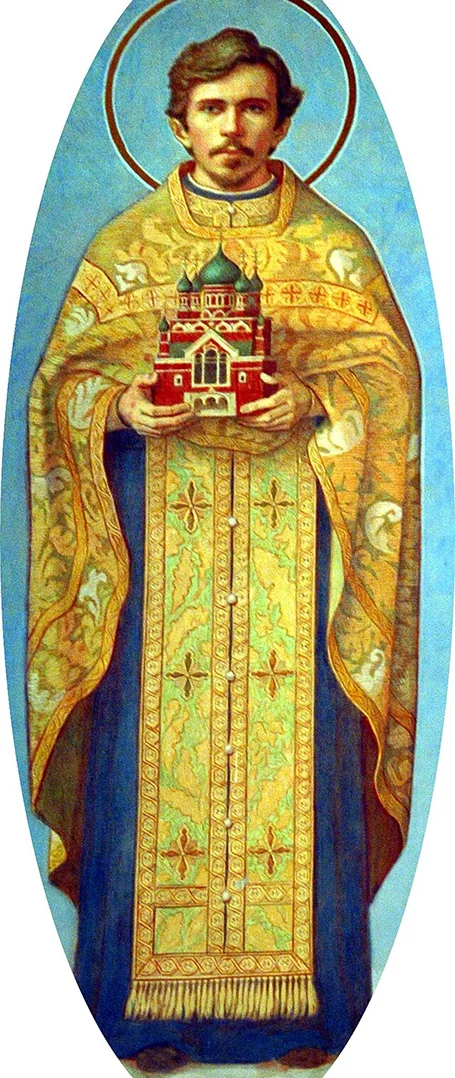
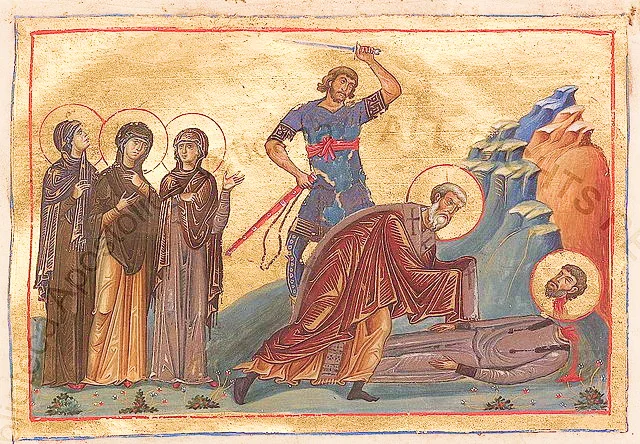
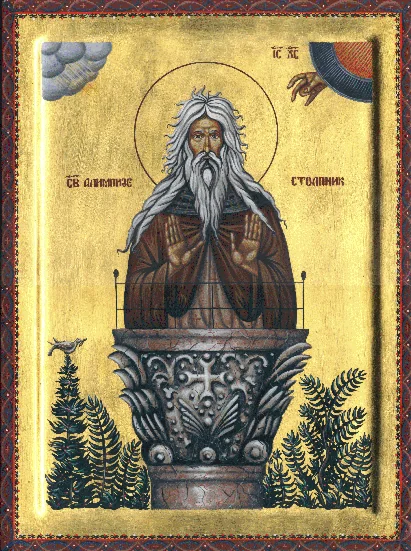
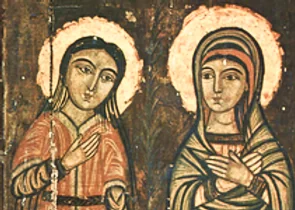
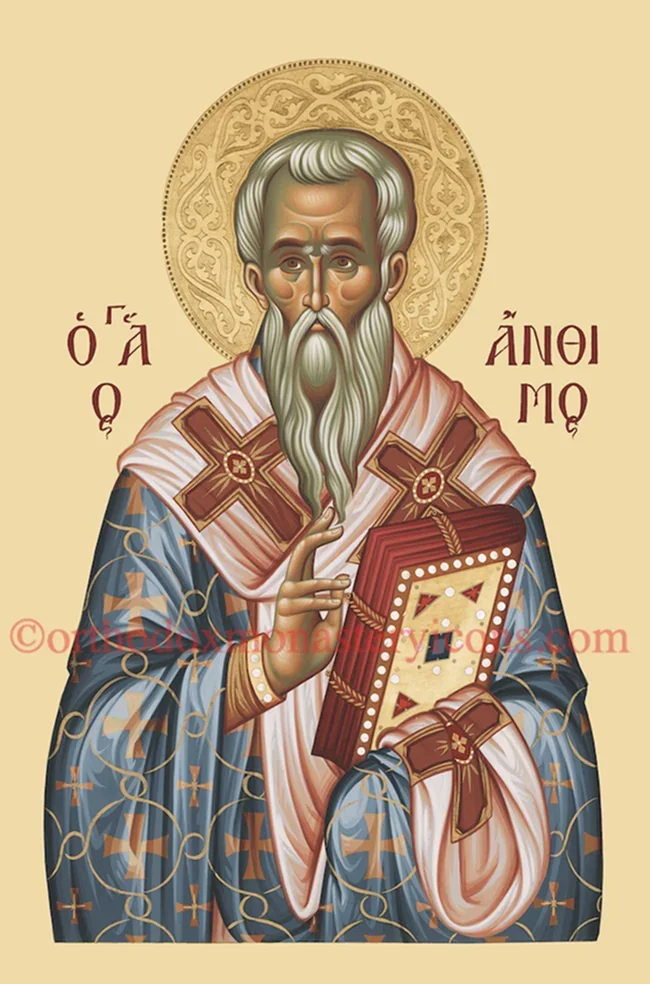
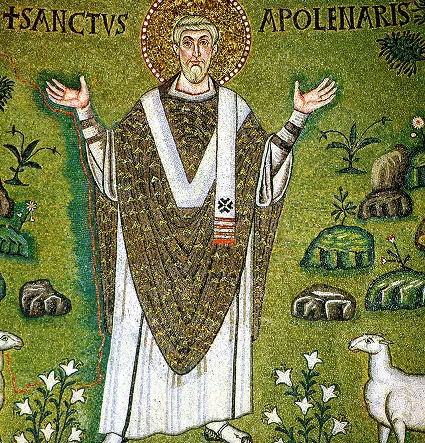
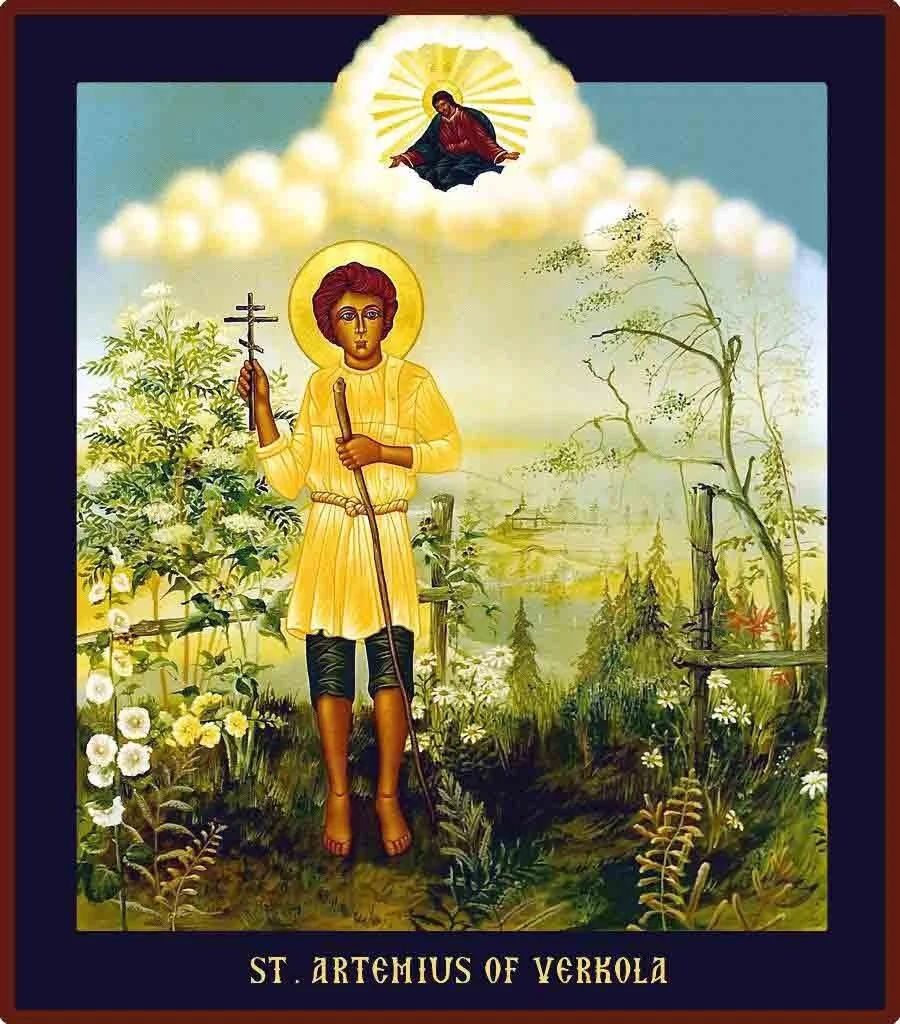
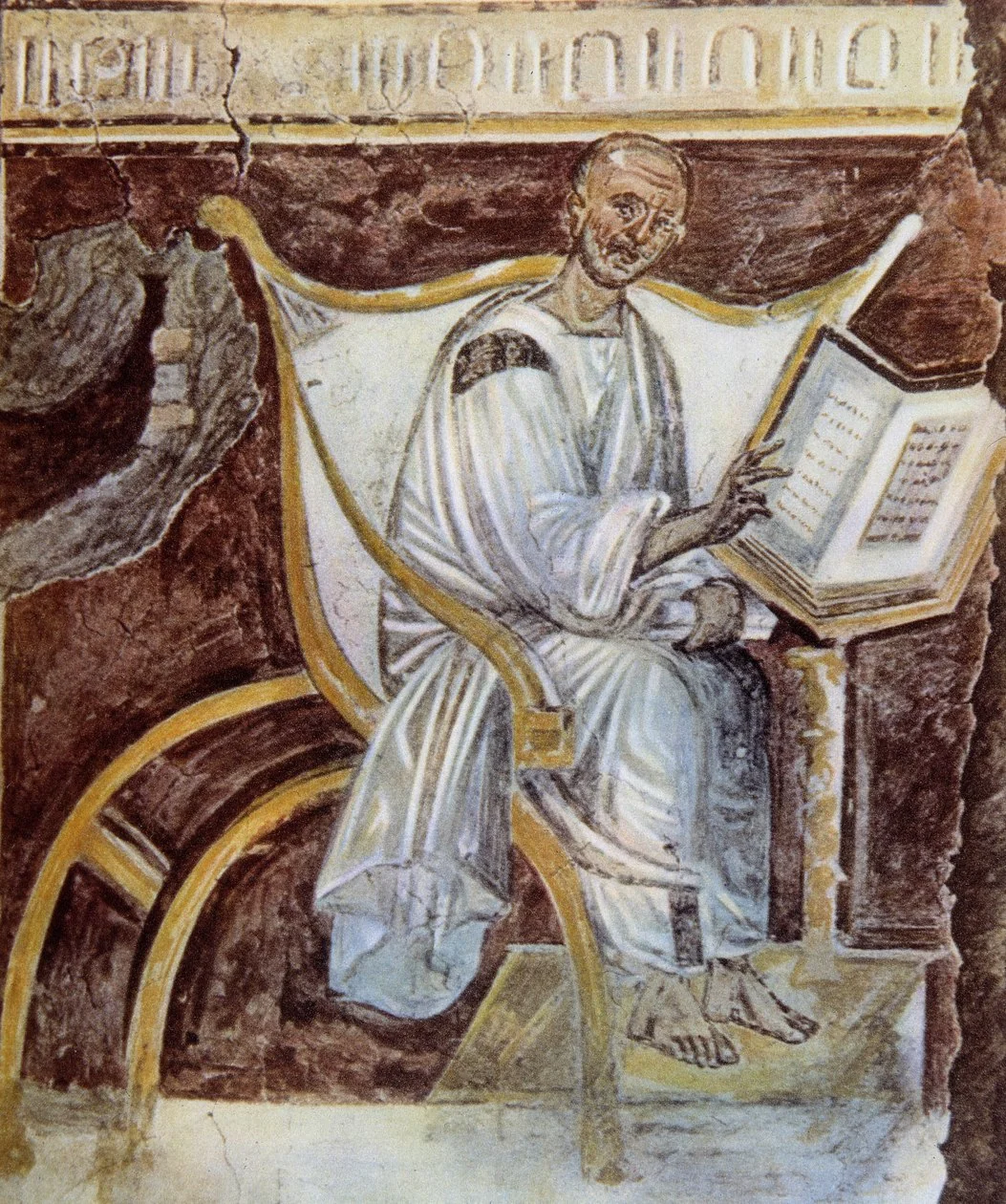
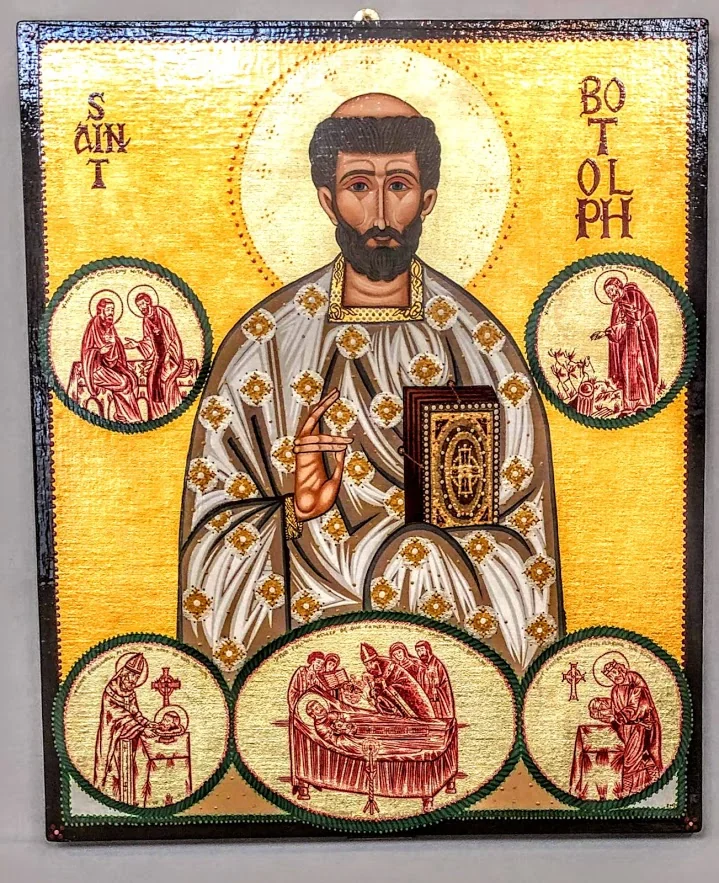
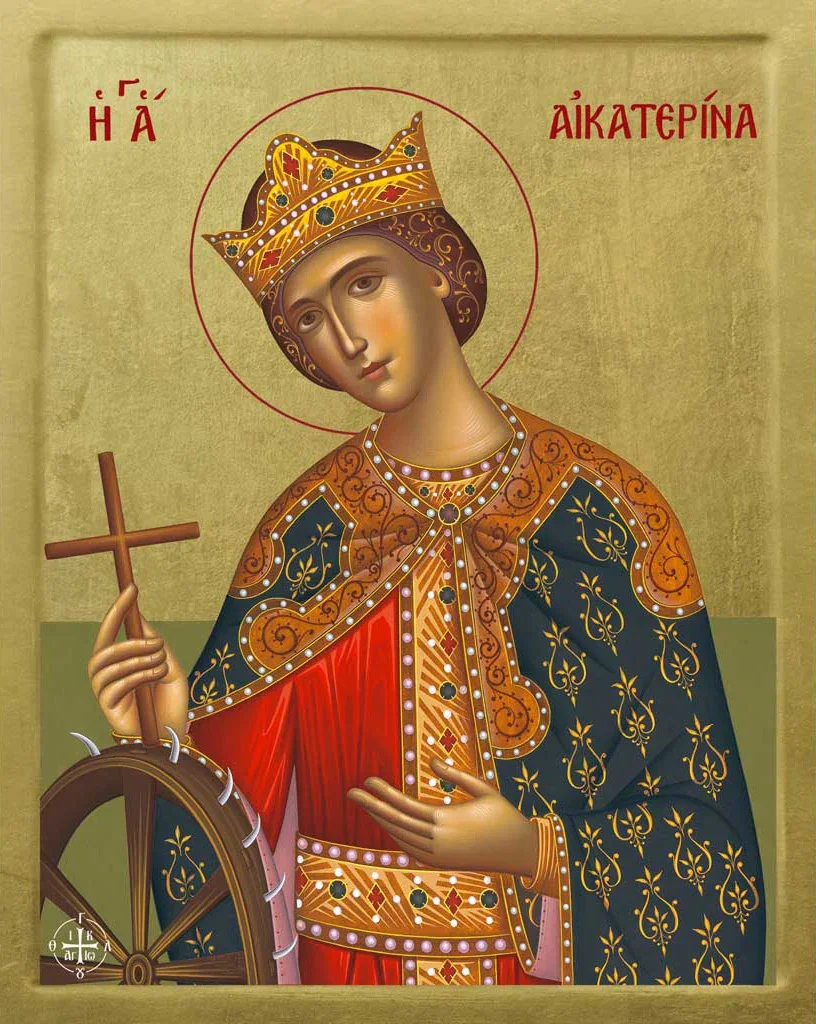
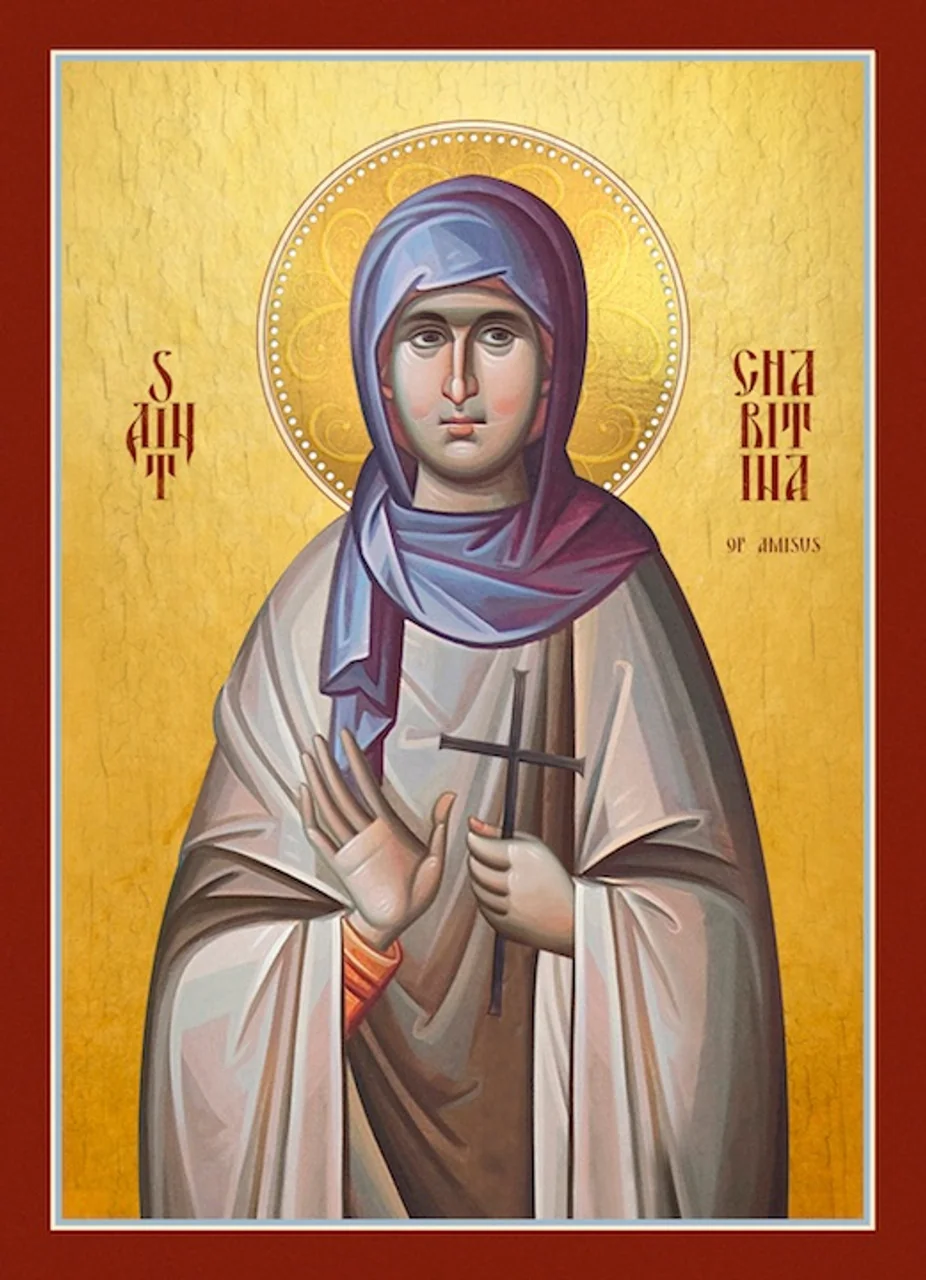
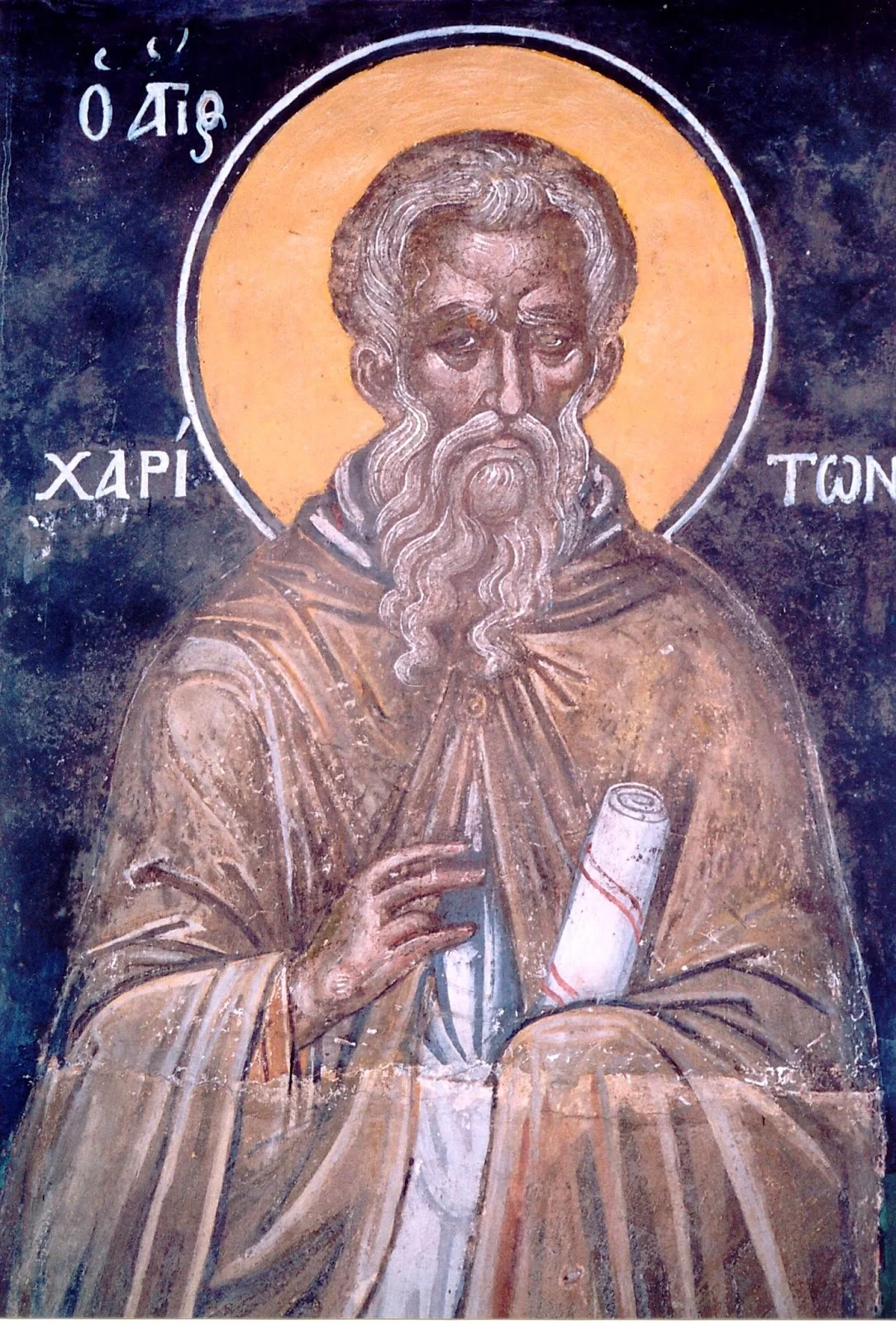
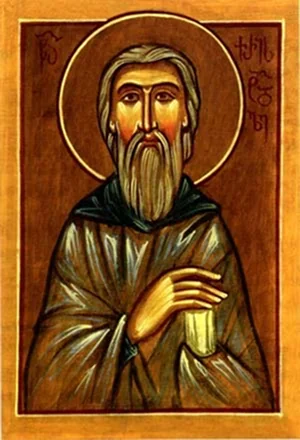
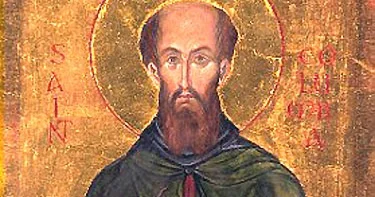
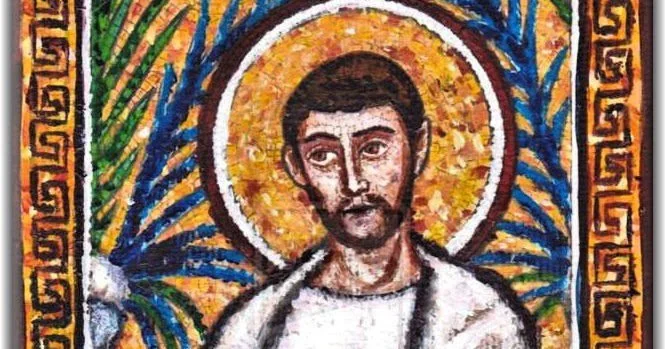
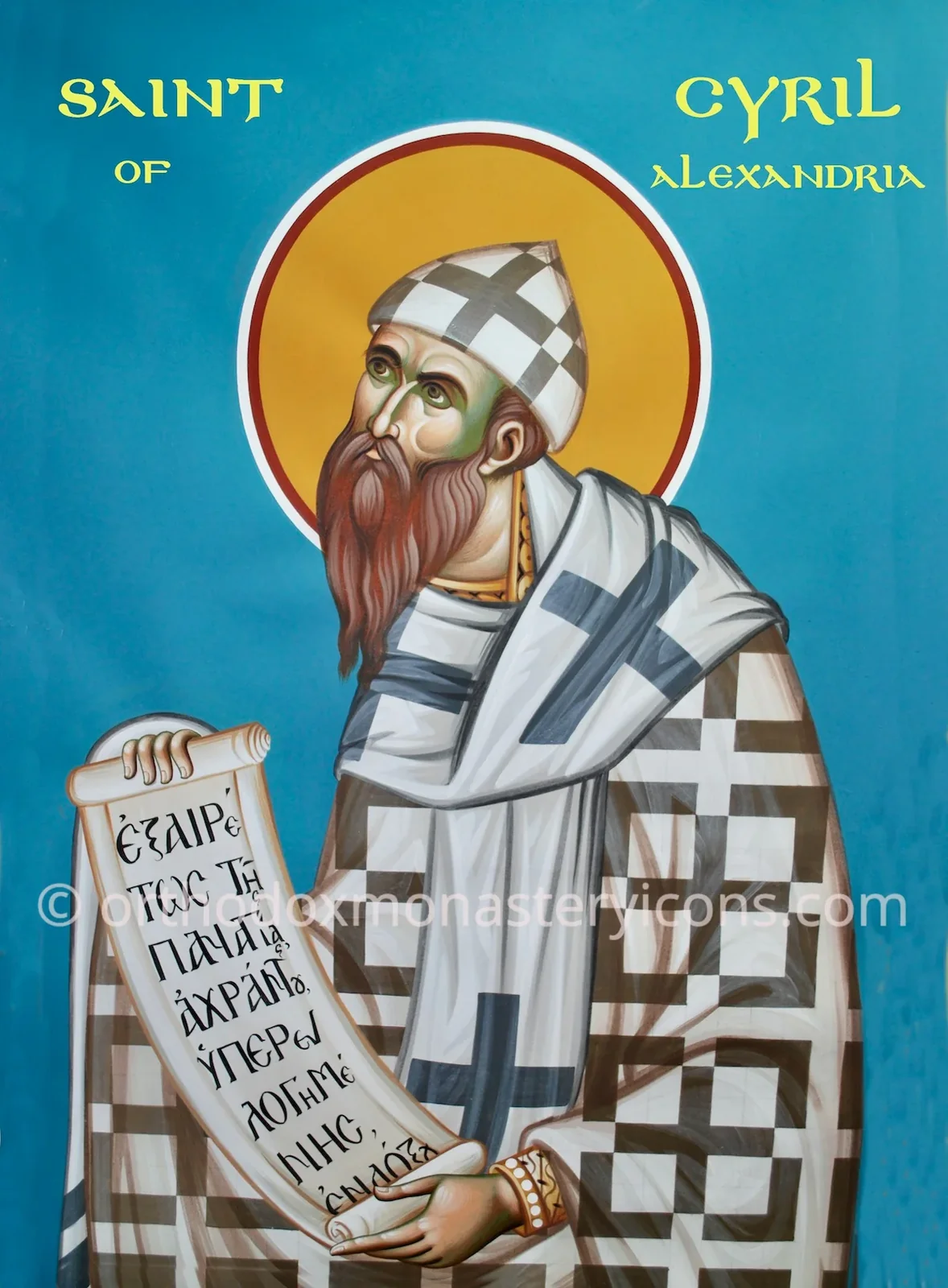
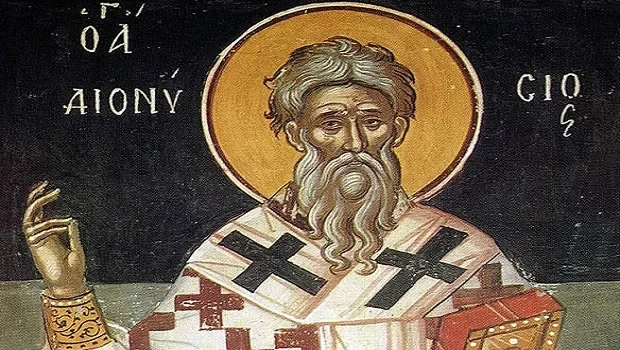
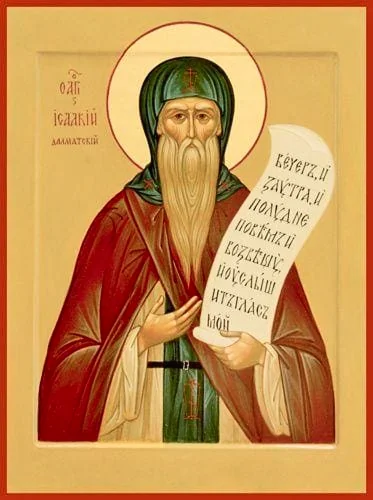
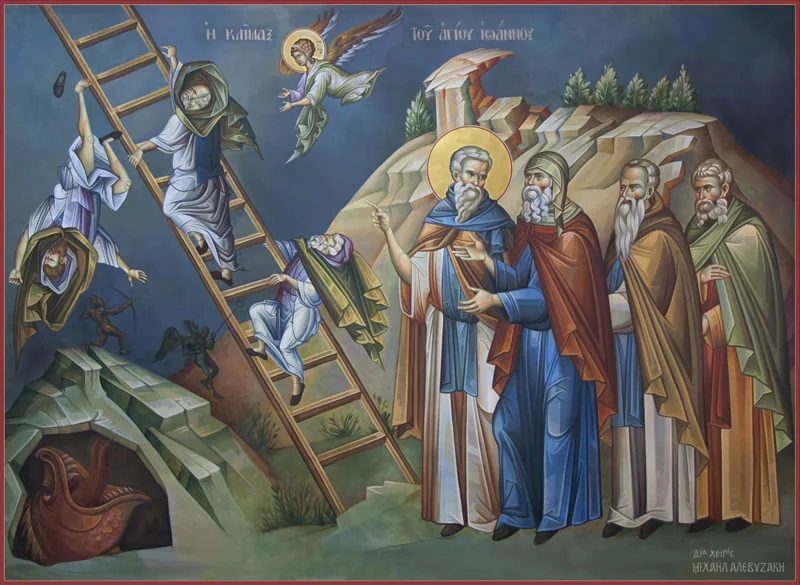
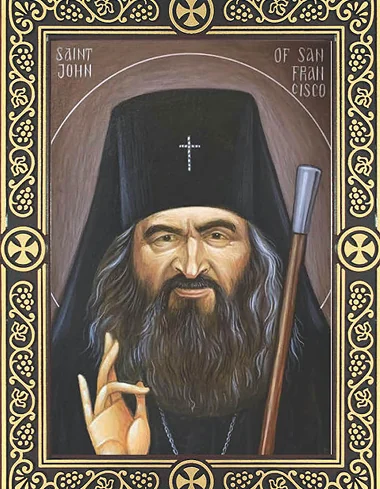
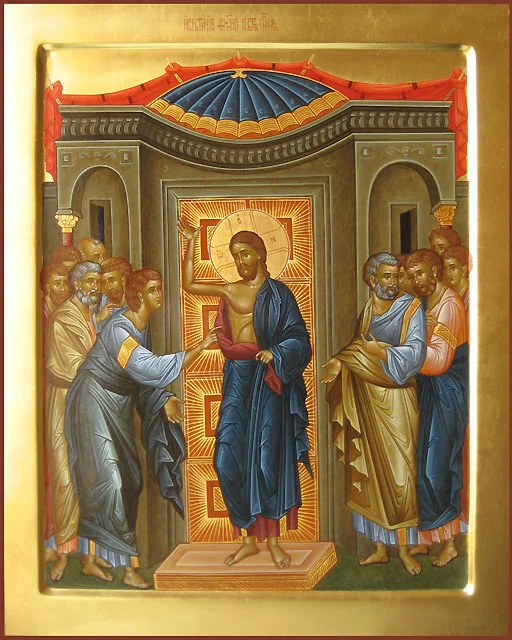
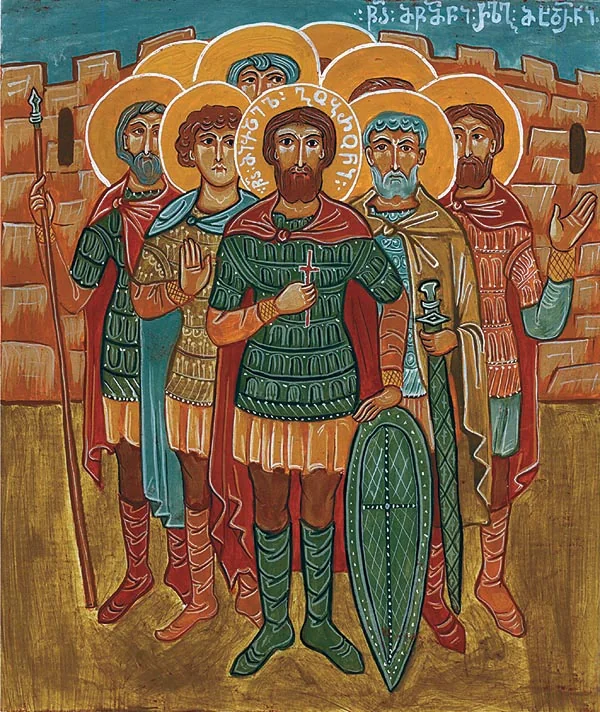
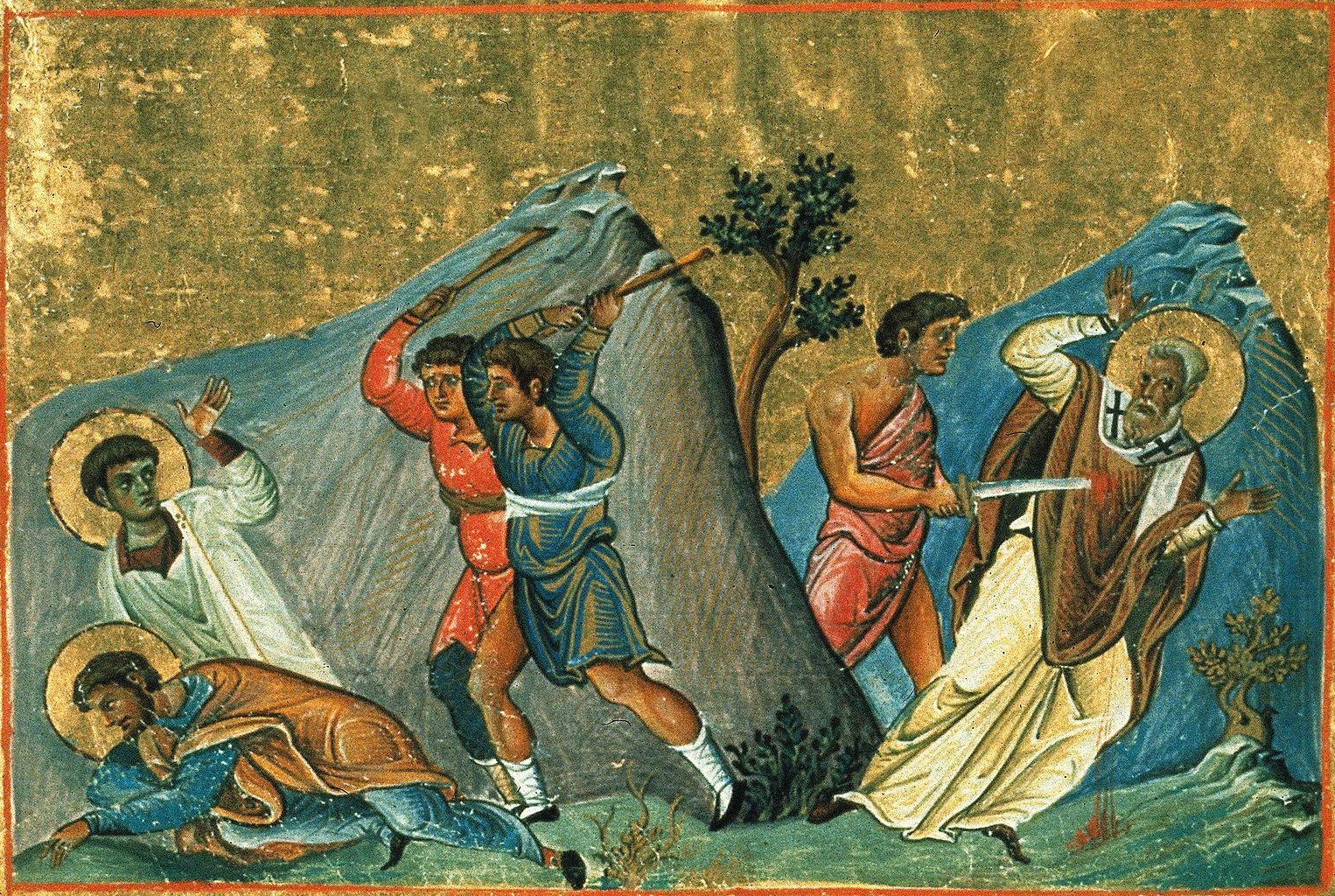
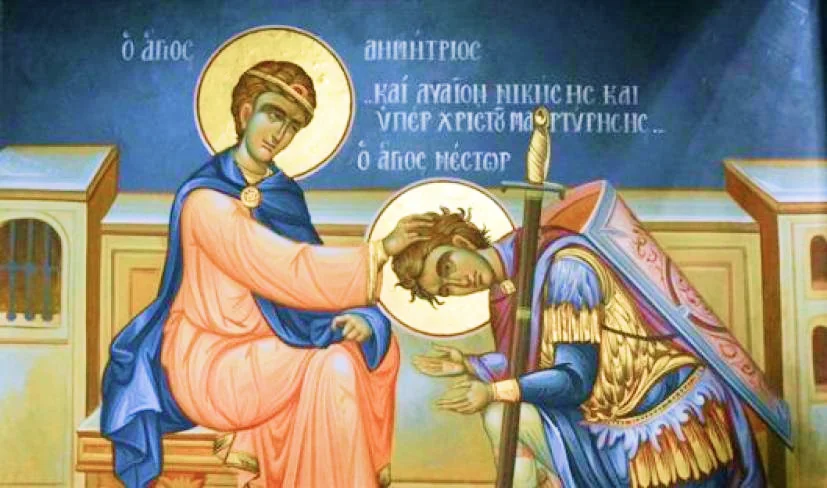
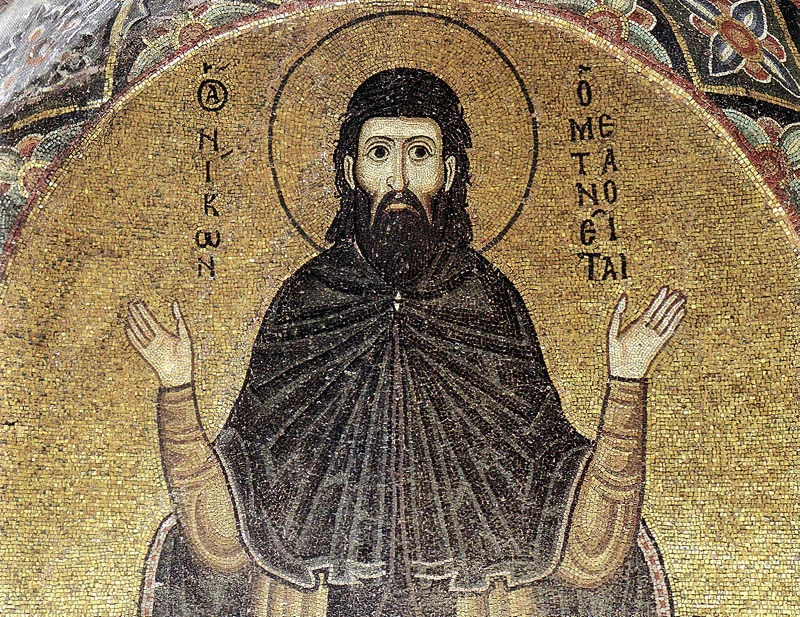
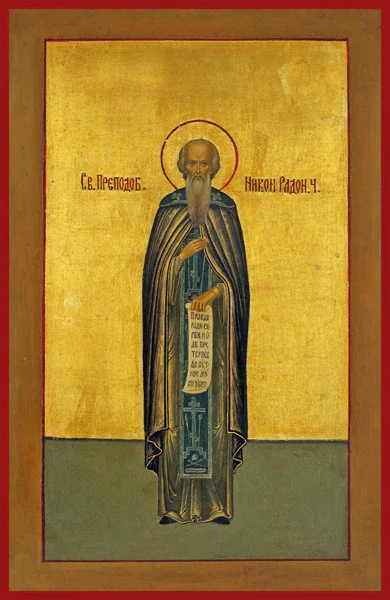
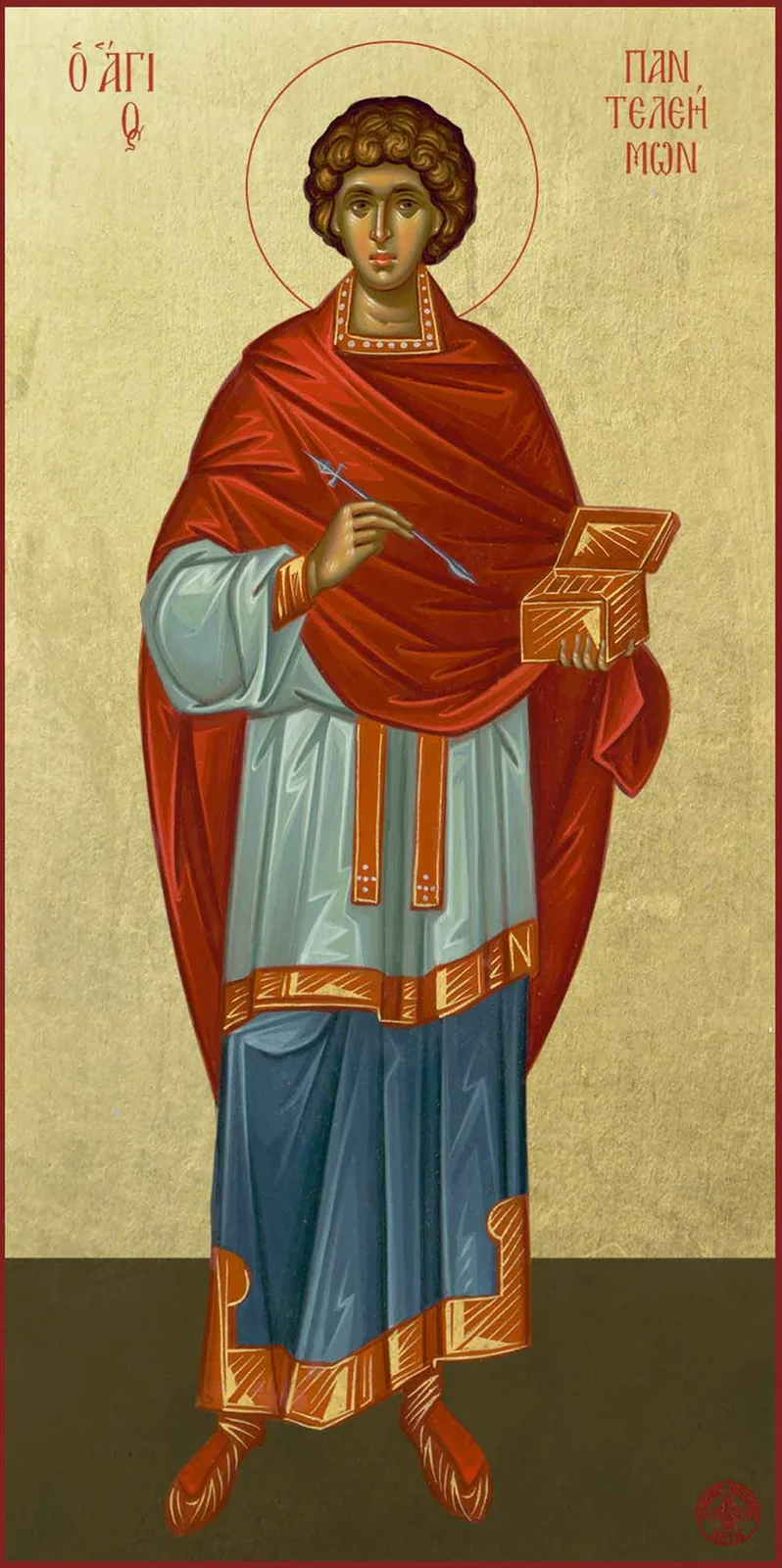
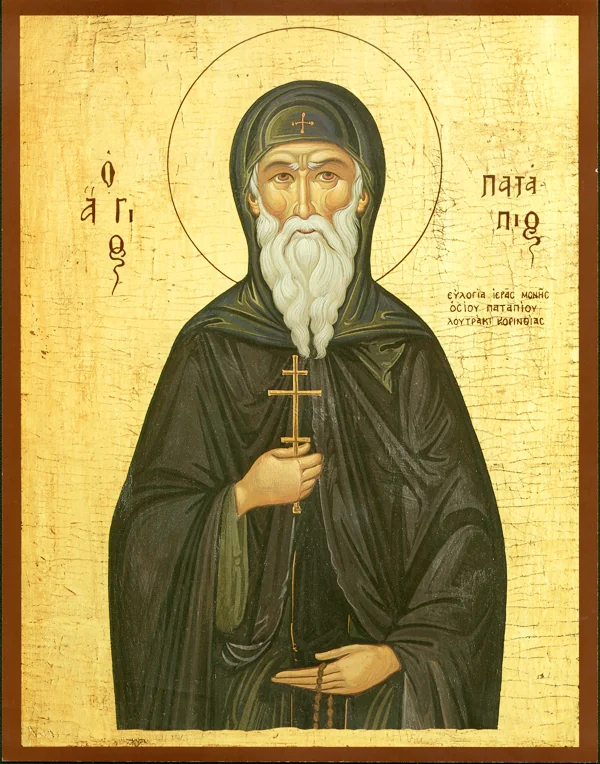
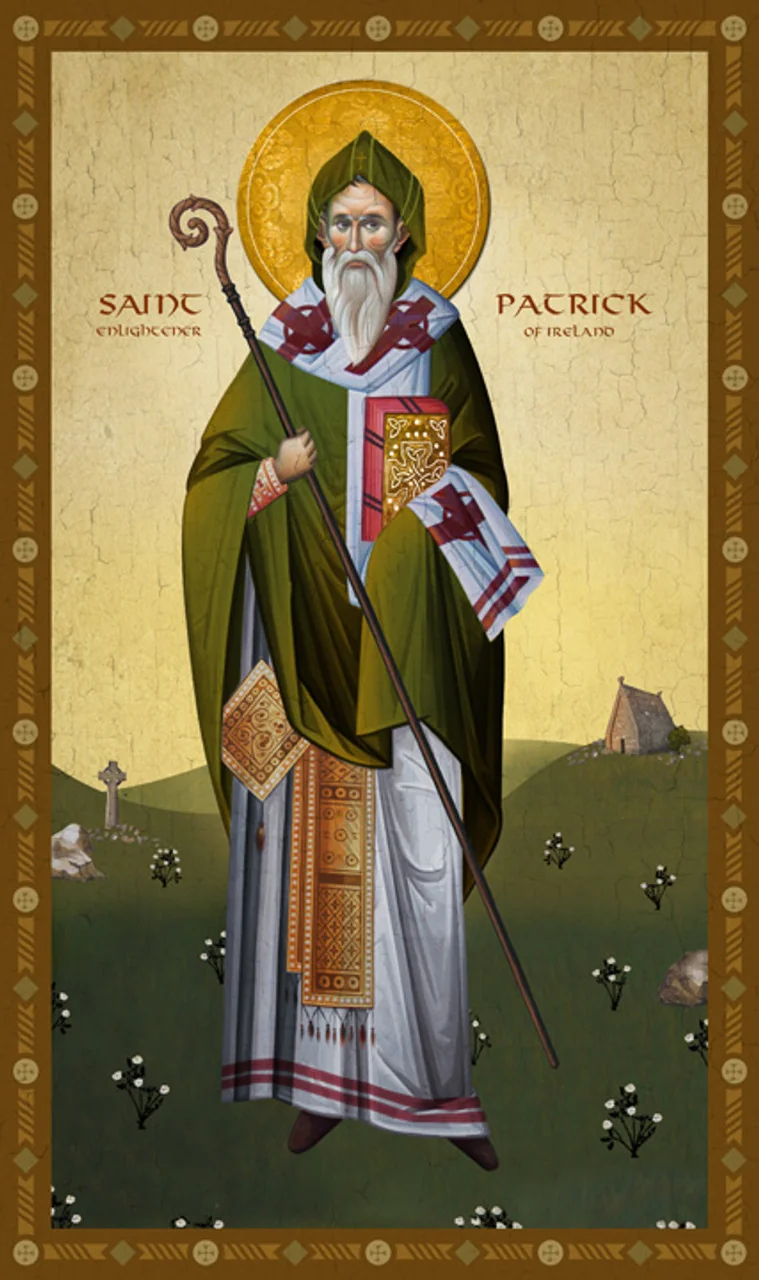
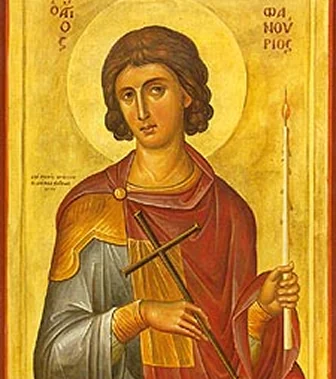
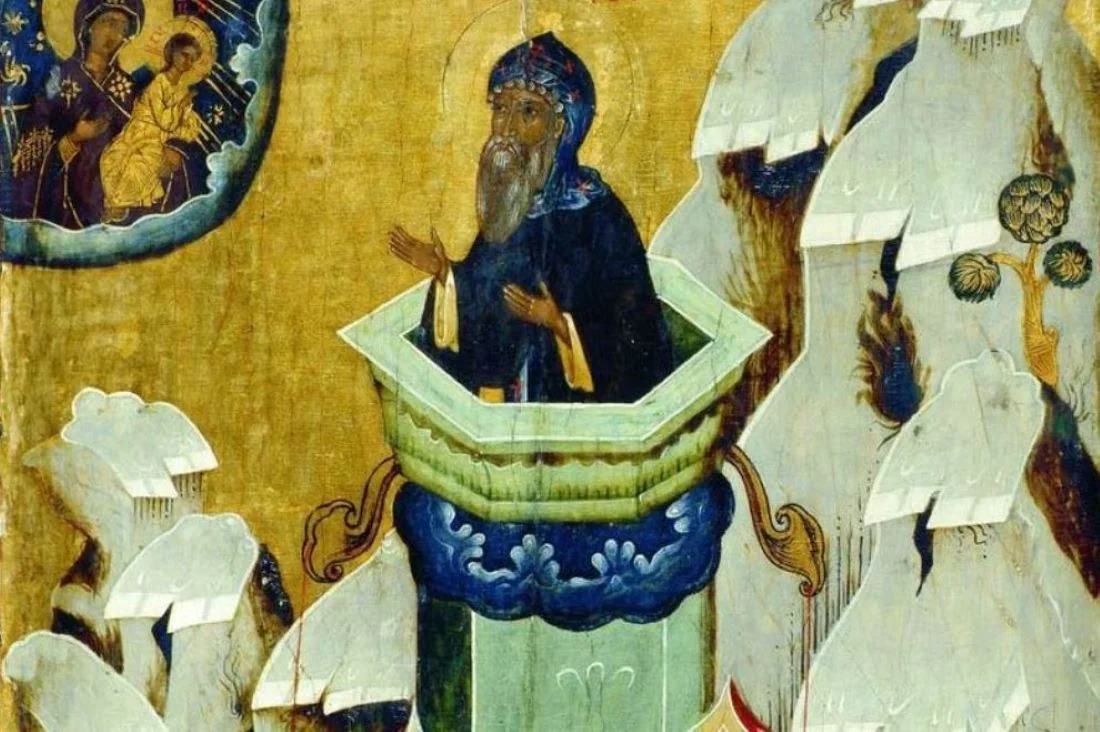
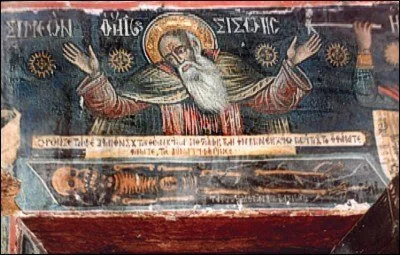
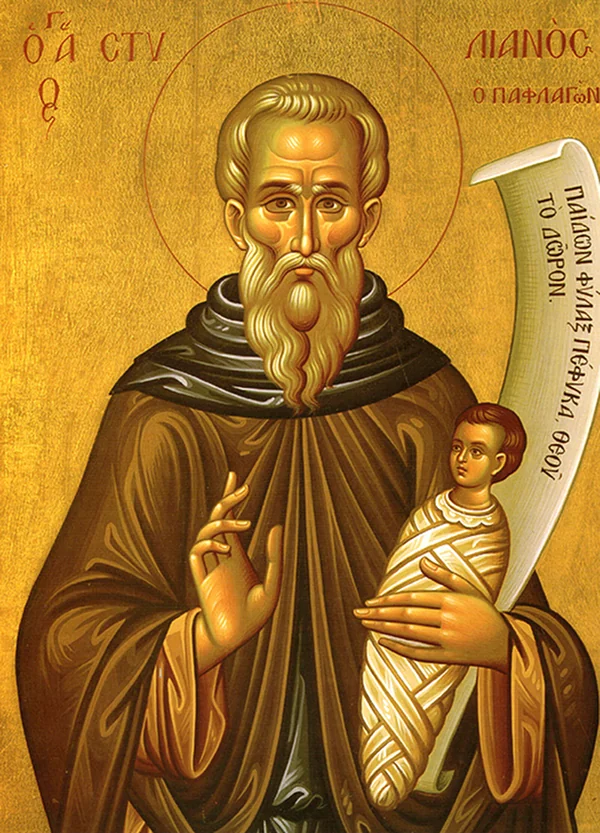
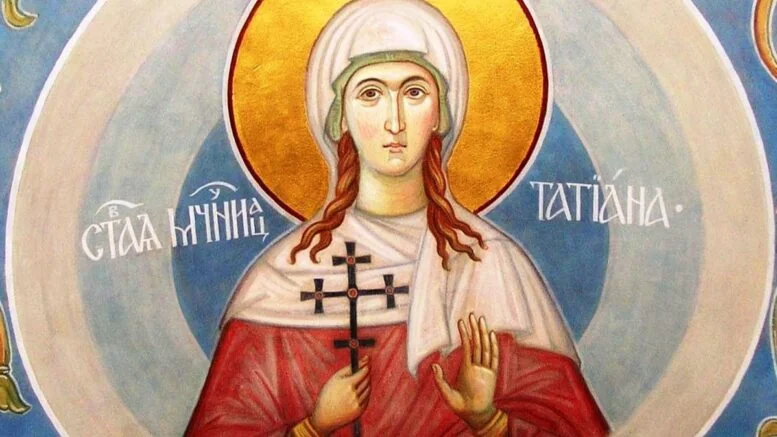
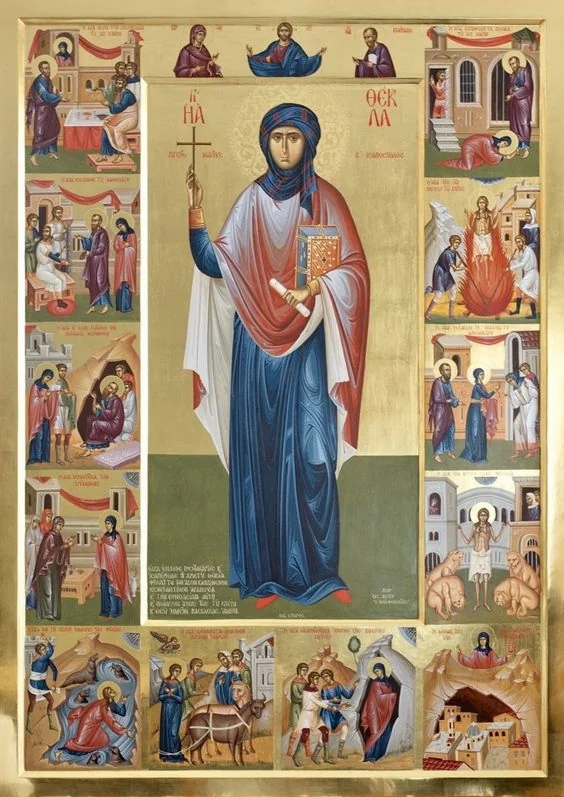
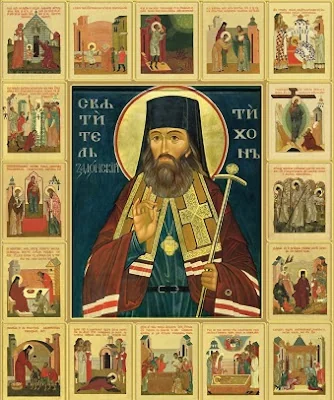
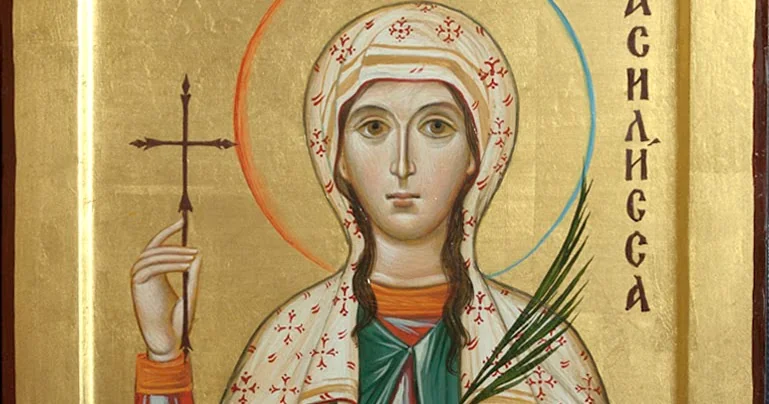
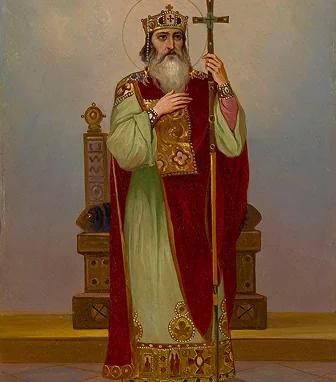
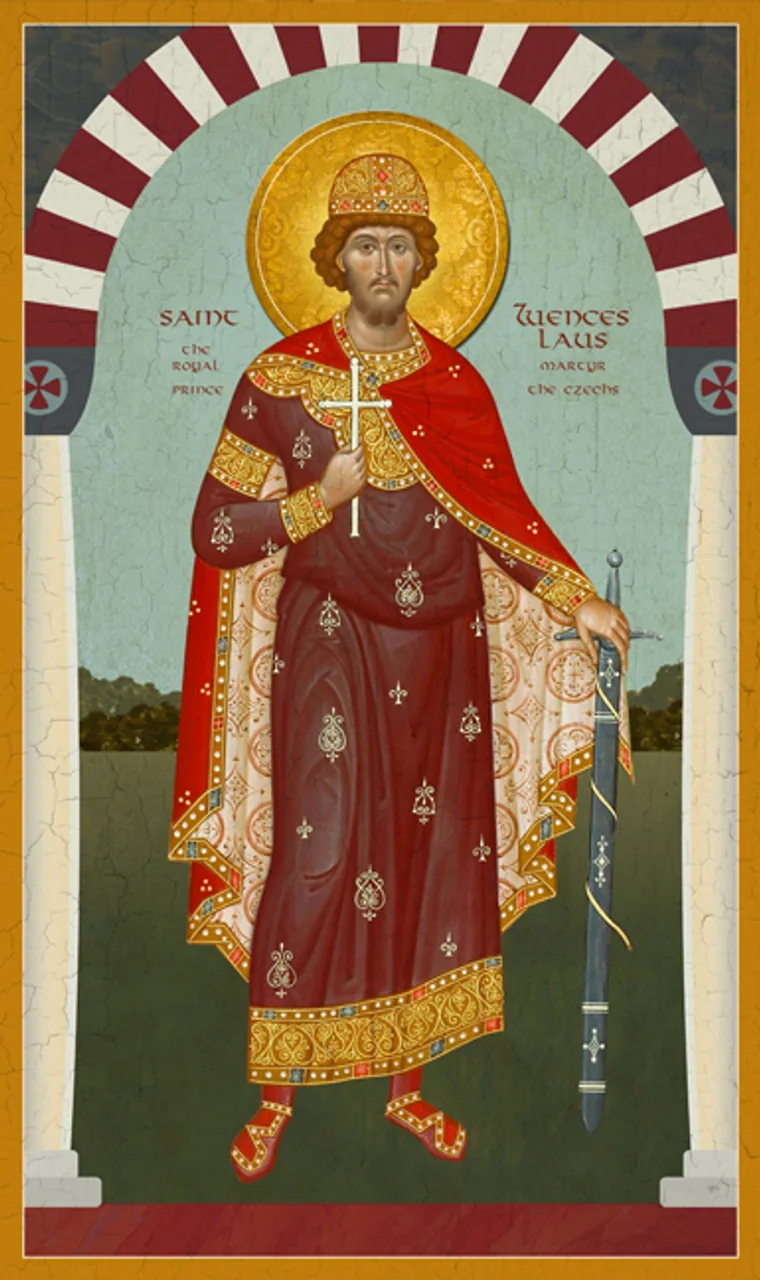
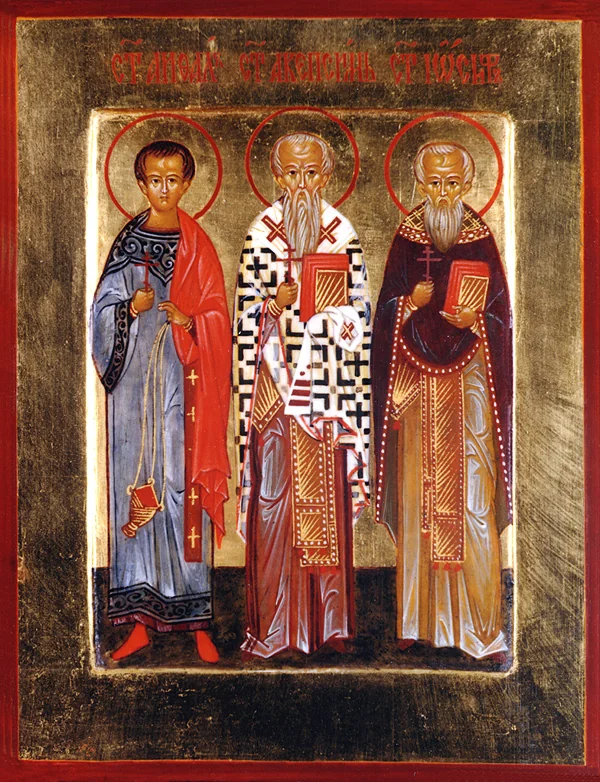
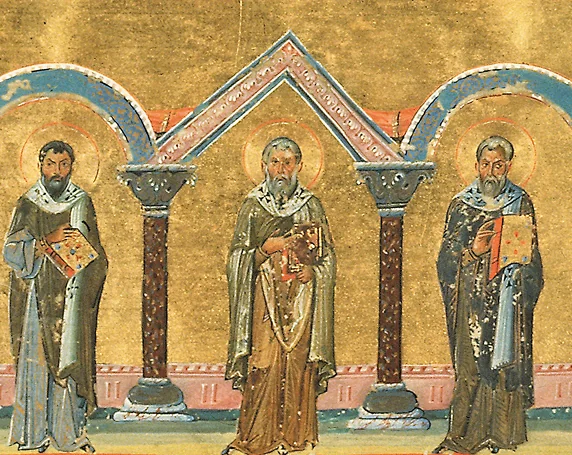
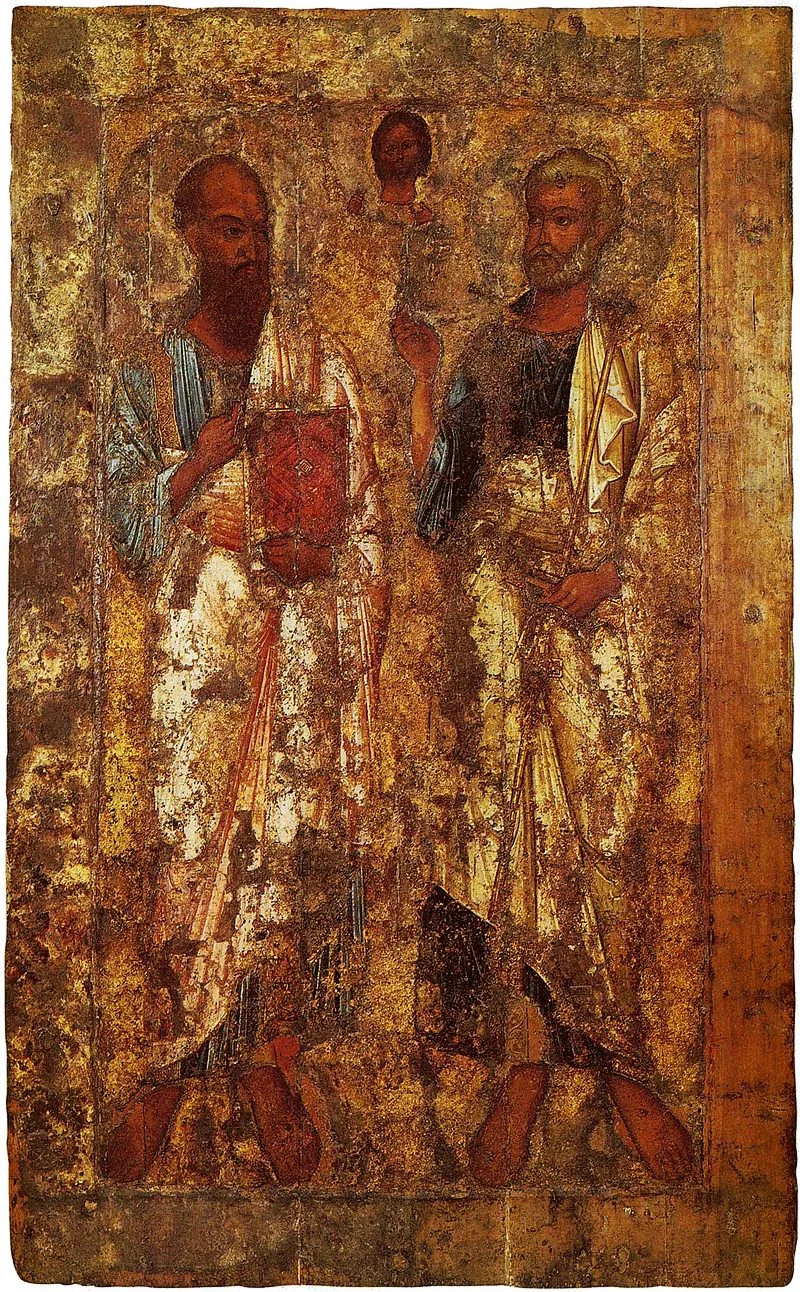
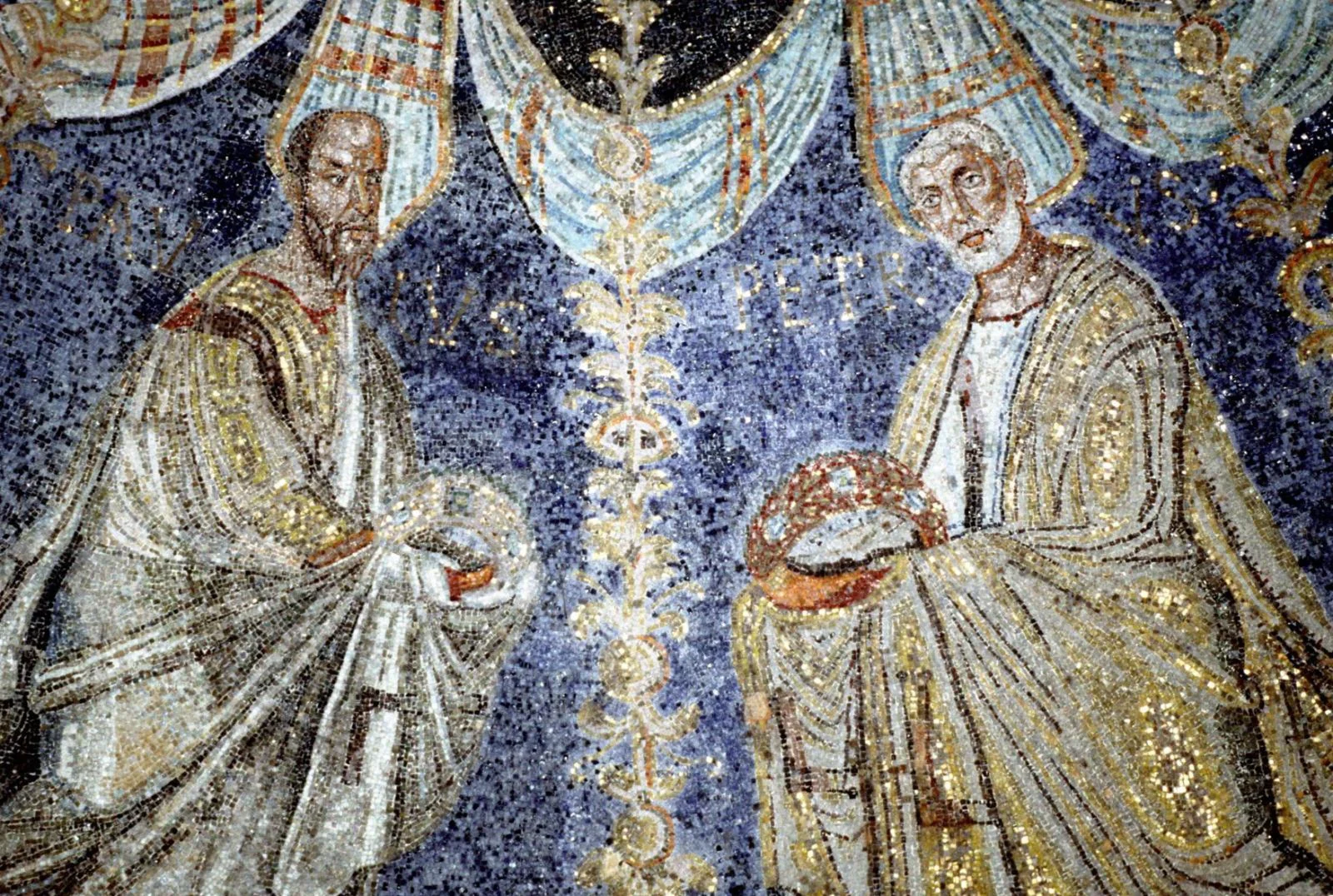
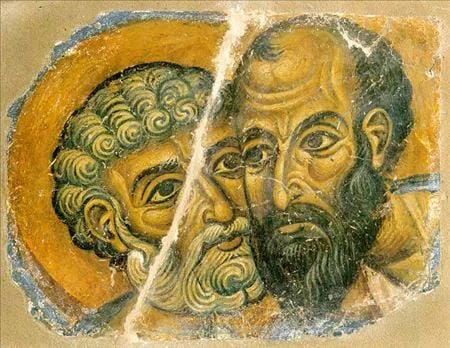
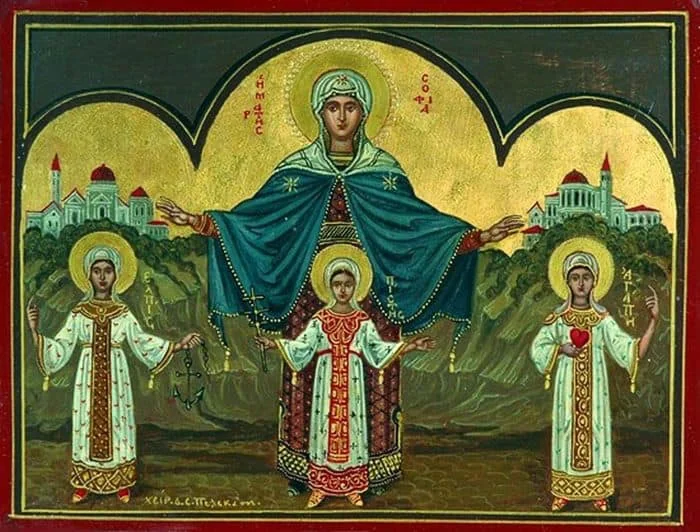
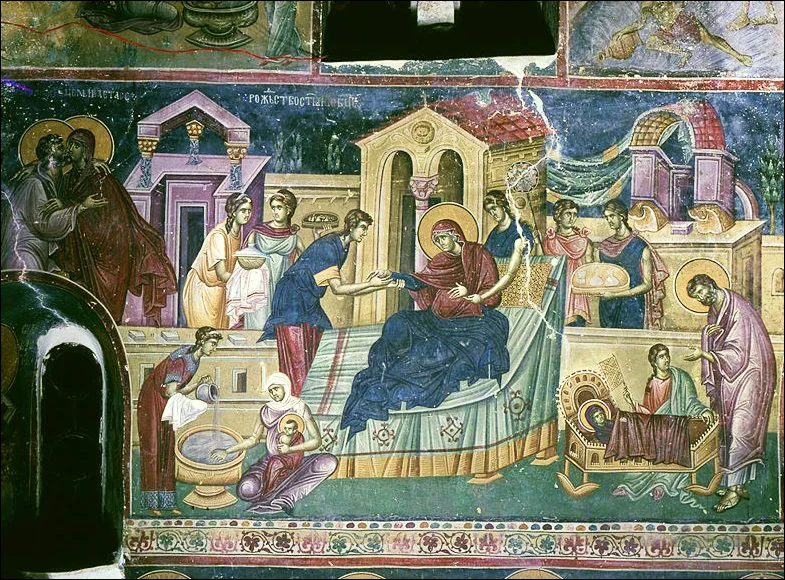
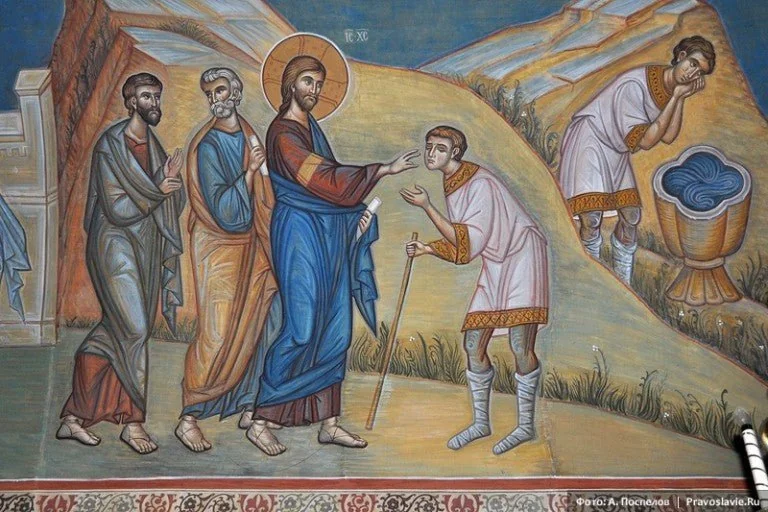
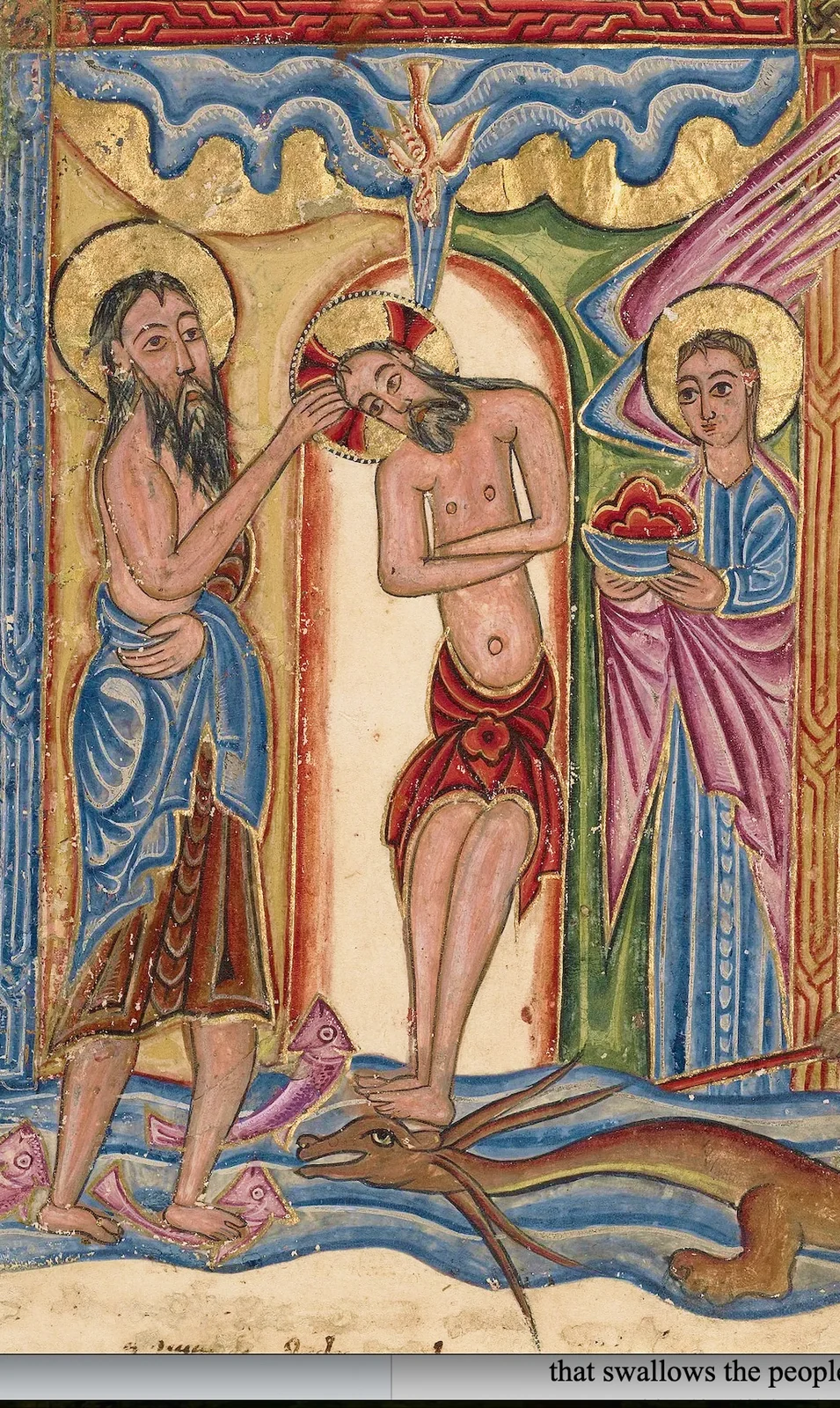
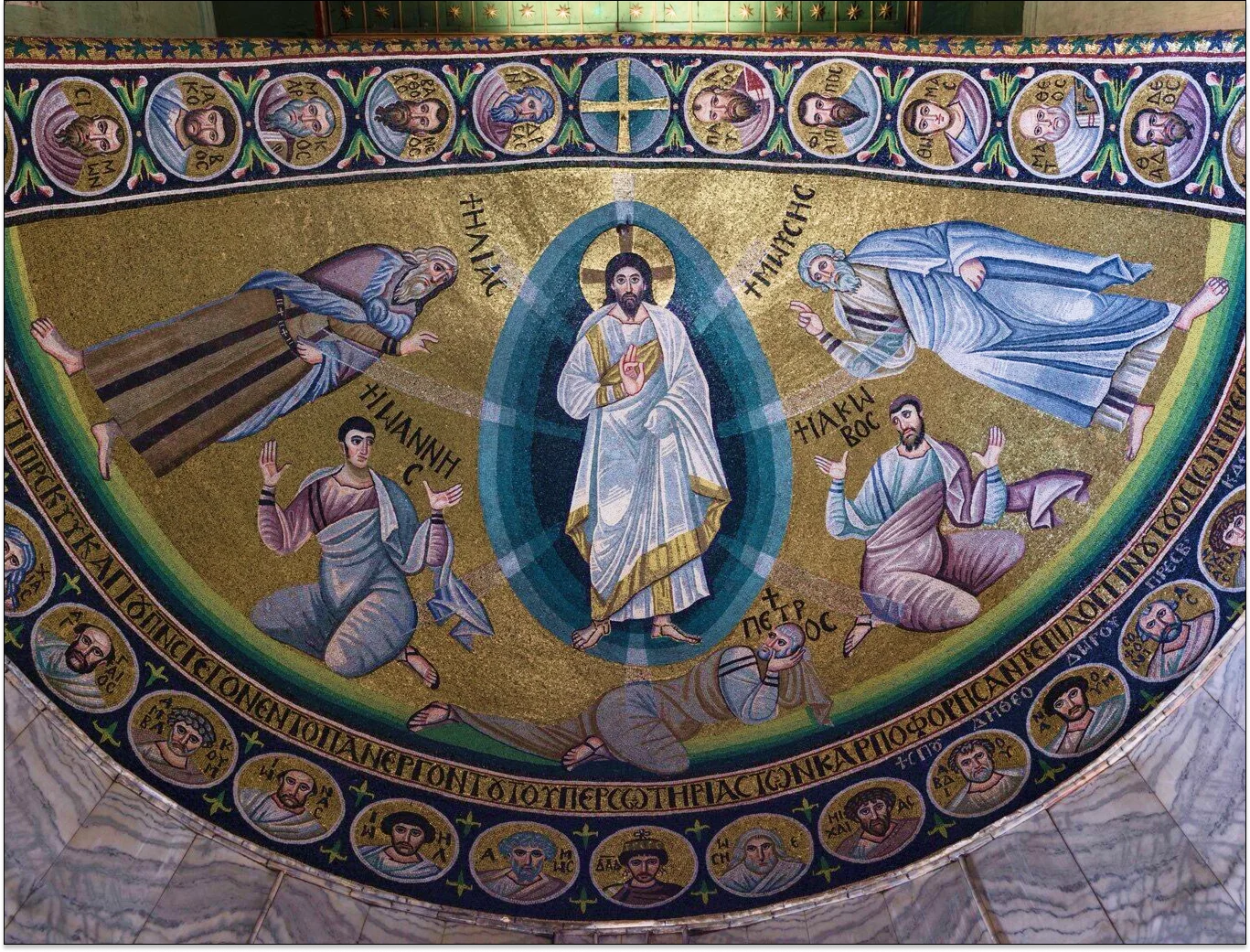
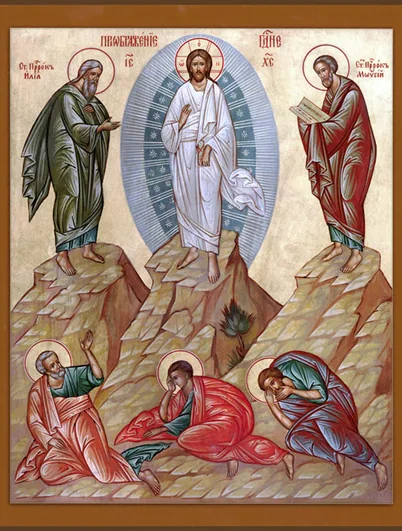
Each of these icons was written within a living tradition of prayer. Click any icon to open the full view.
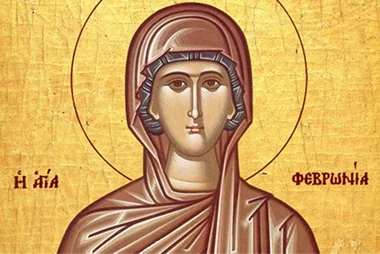
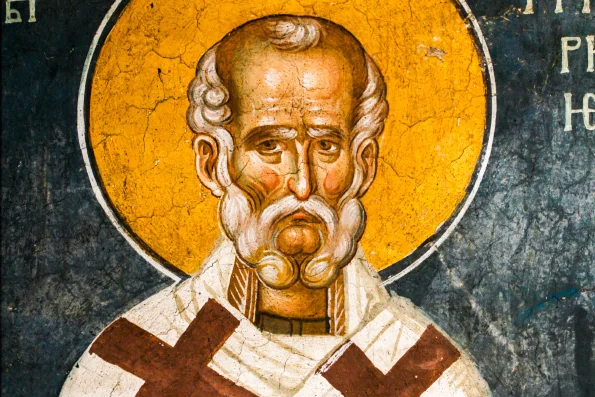
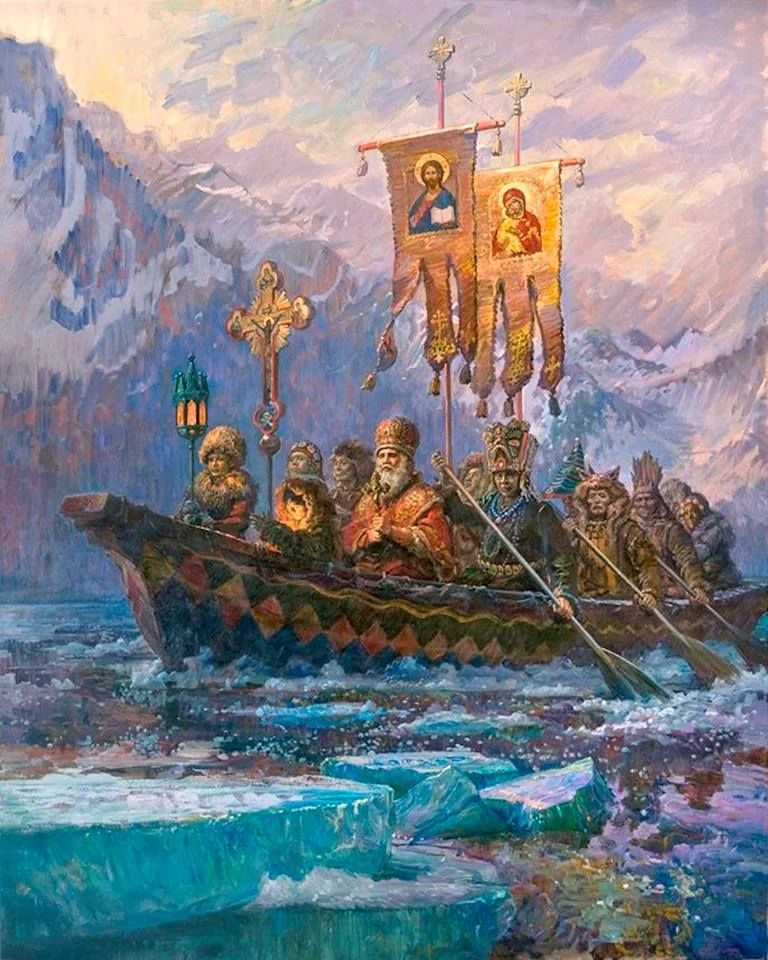
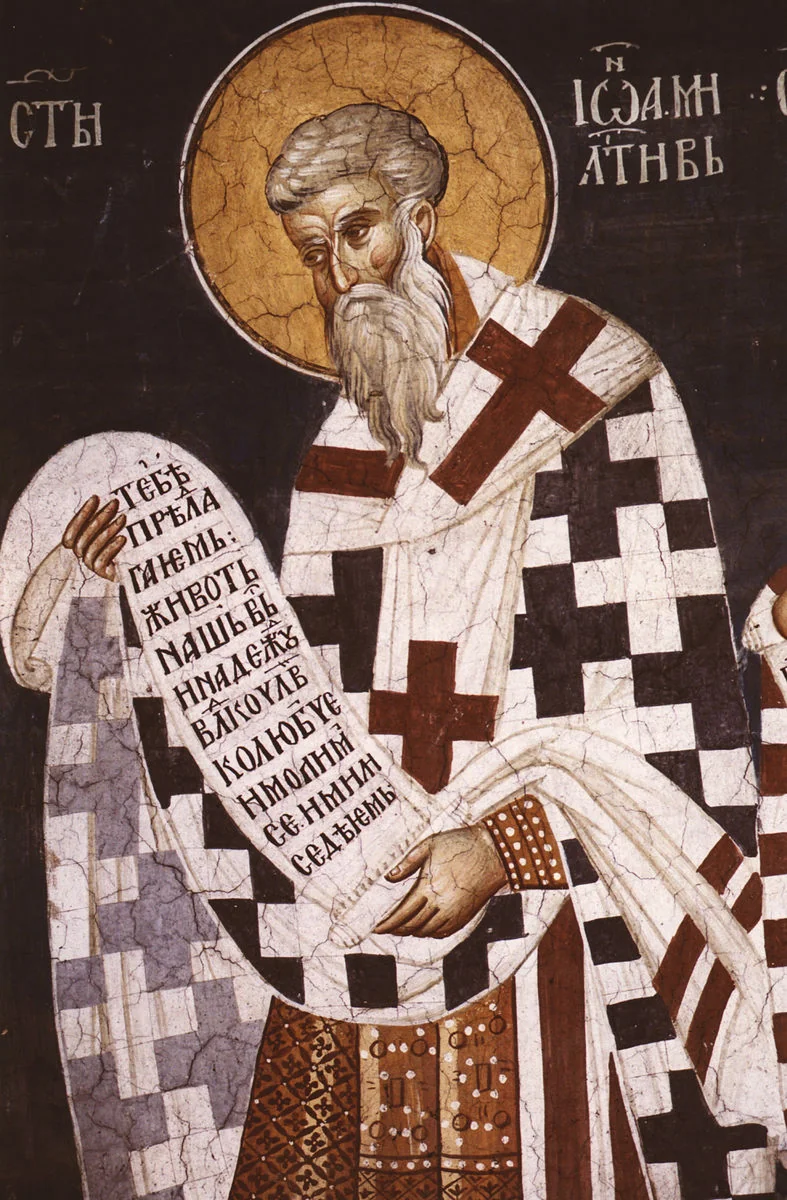
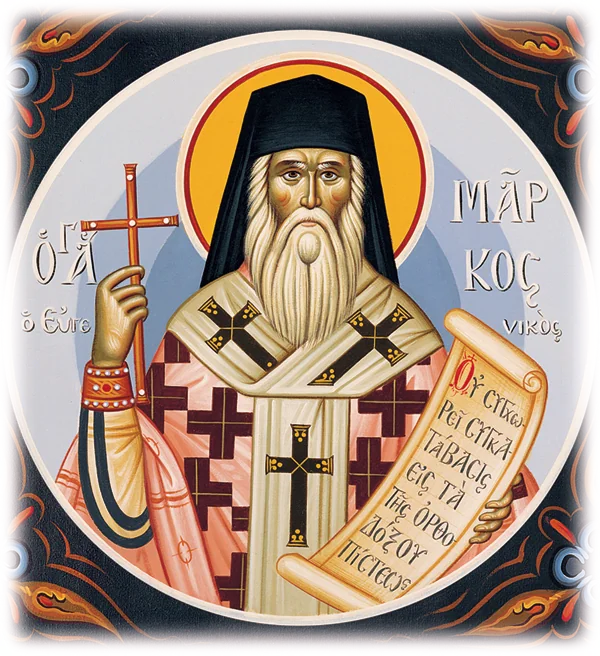
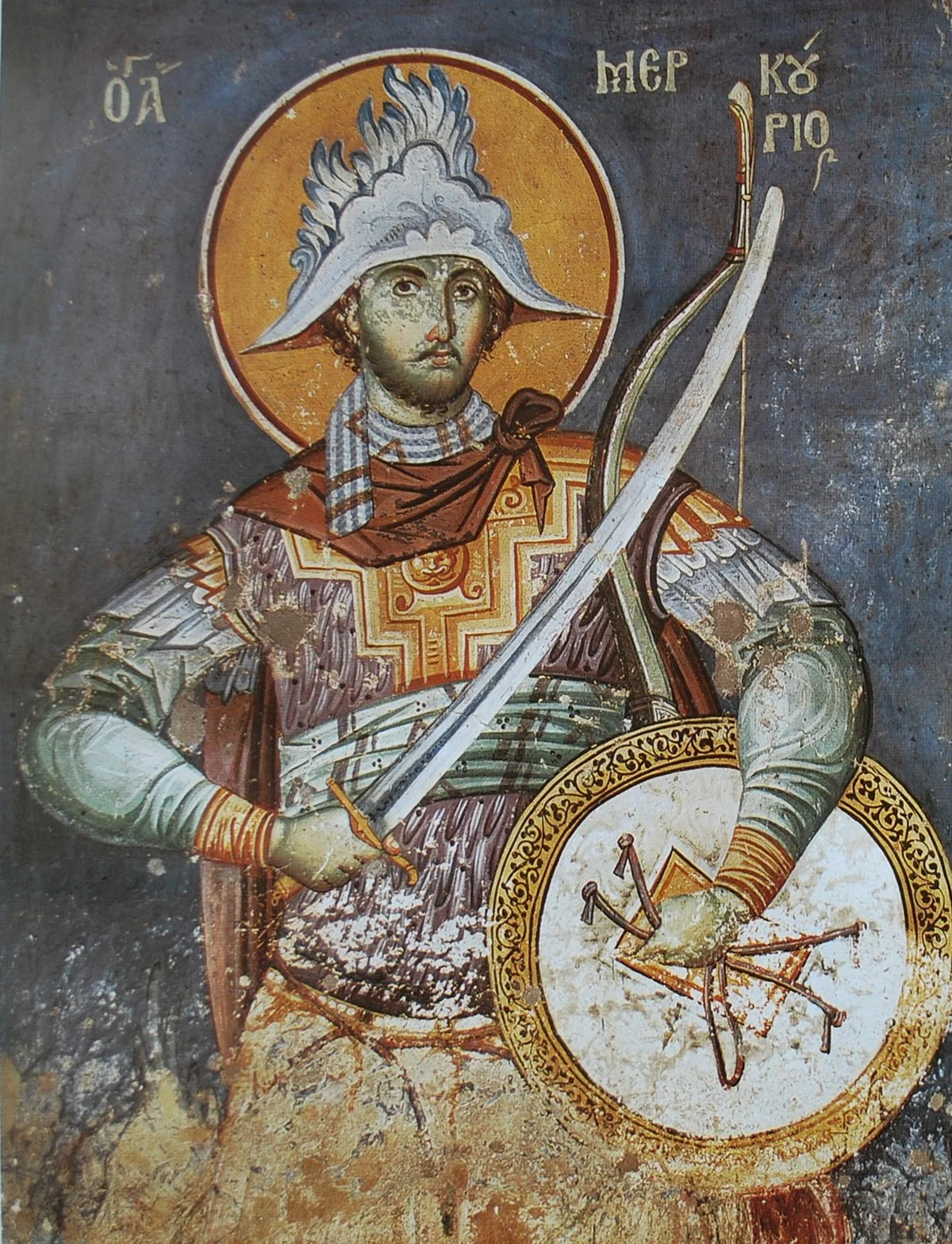
Key Reference Works
The following monographs are some primary scholarly sources for deeper study of Orthodox icon theology and history.
- Leonid Ouspensky, Theology of the Icon, 2 vols. (SVS Press): the standard Orthodox theological treatment
- Leonid Ouspensky and Vladimir Lossky, The Meaning of Icons (SVS Press, 1952): theology and iconographic tradition in depth
- Pavel Florensky, Iconostasis, trans. Donald Sheehan and Olga Andrejev (SVS Press, 1996): reverse perspective, the icon screen as theology
- St. John of Damascus, Three Treatises on the Divine Images, trans. Andrew Louth (SVS Press, 2003): the primary patristic defense of icons
- St. Theodore the Studite, On the Holy Icons, trans. Catharine P. Roth (SVS Press, 1981): the Christological argument from the second iconoclasm
- Christoph Schoenborn, God's Human Face: The Christ-Icon (Ignatius, 1994): Chalcedonian Christology and icon theology united
- Metropolitan Kallistos Ware, The Orthodox Church, rev. ed. (Penguin, 1993): essential background on icons within Orthodox faith and practice
- Jaroslav Pelikan, Imago Dei: The Byzantine Apologia for Icons (Princeton, 1990): the scholarly historical case from a Protestant ecumenist
- Michael Garten, Early Icons: Christian Image Veneration Before 325 AD, vol. 1, Written Evidence and Paintings (independently published, 2024): the early Christian texts and surviving paintings that point to image veneration in the first three centuries