
The History of the Church: An Introduction
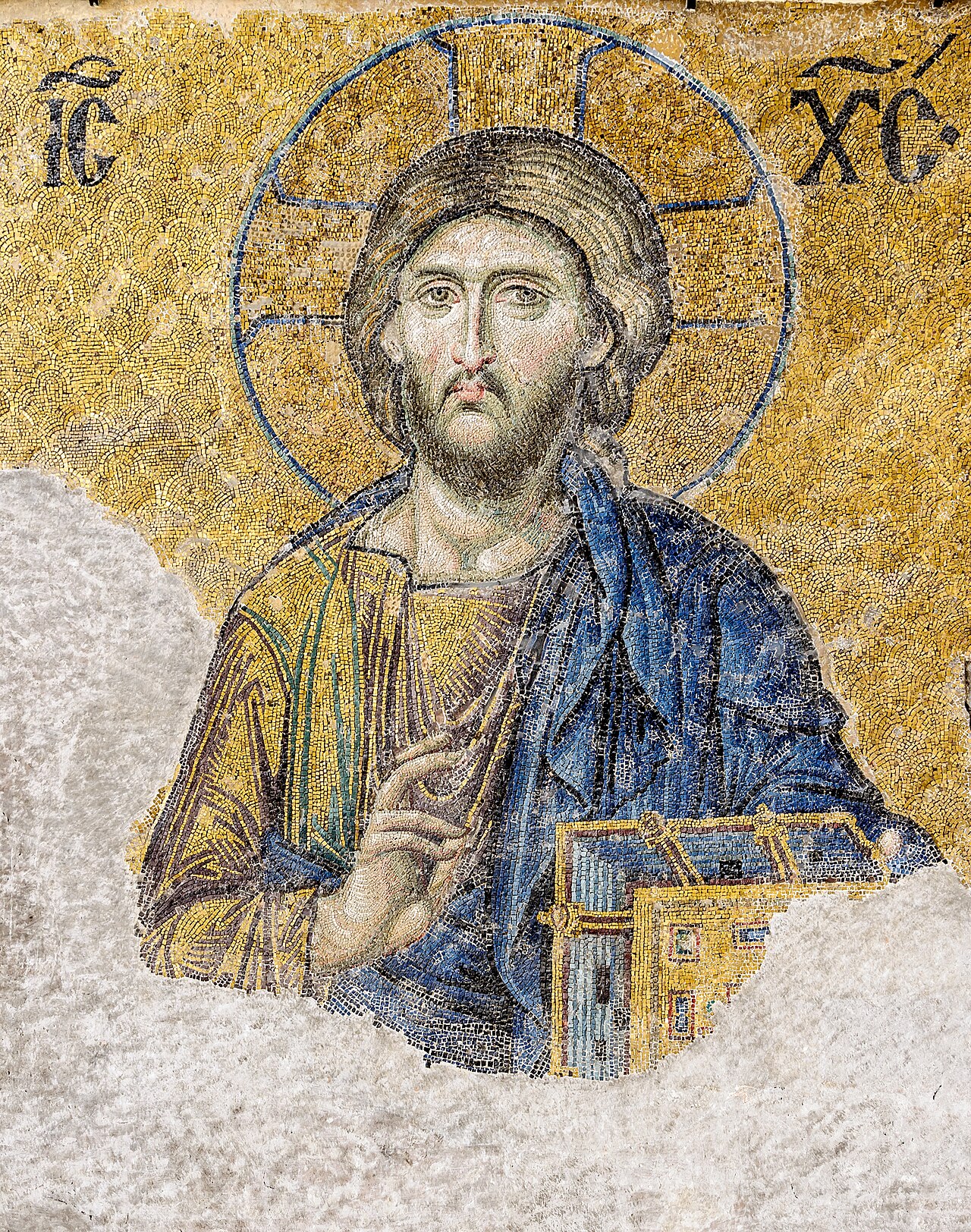
The Orthodox Church was founded by our Lord Jesus Christ and is the living manifestation of His presence in the history of mankind. The most conspicuous characteristics of Orthodoxy are its rich liturgical life and its faithfulness to the apostolic tradition. It is believed by Orthodox Christians that our Church has preserved the tradition and continuity of the ancient Church in its fullness compared to other Christian denominations which have departed, to smaller or greater degrees, from the common tradition of the Church of the first ten centuries.
Historical Points
Orthodox Population
Today the Orthodox Church numbers between 220-300 million Christians who follow the faith and practices defined by the first seven ecumenical councils. The word orthodox, "right belief and right glory," has traditionally designated communities who preserved the true faith as opposed to those declared heretical. The official designation of the Church in its liturgical and canonical texts is "the Orthodox Catholic Church."
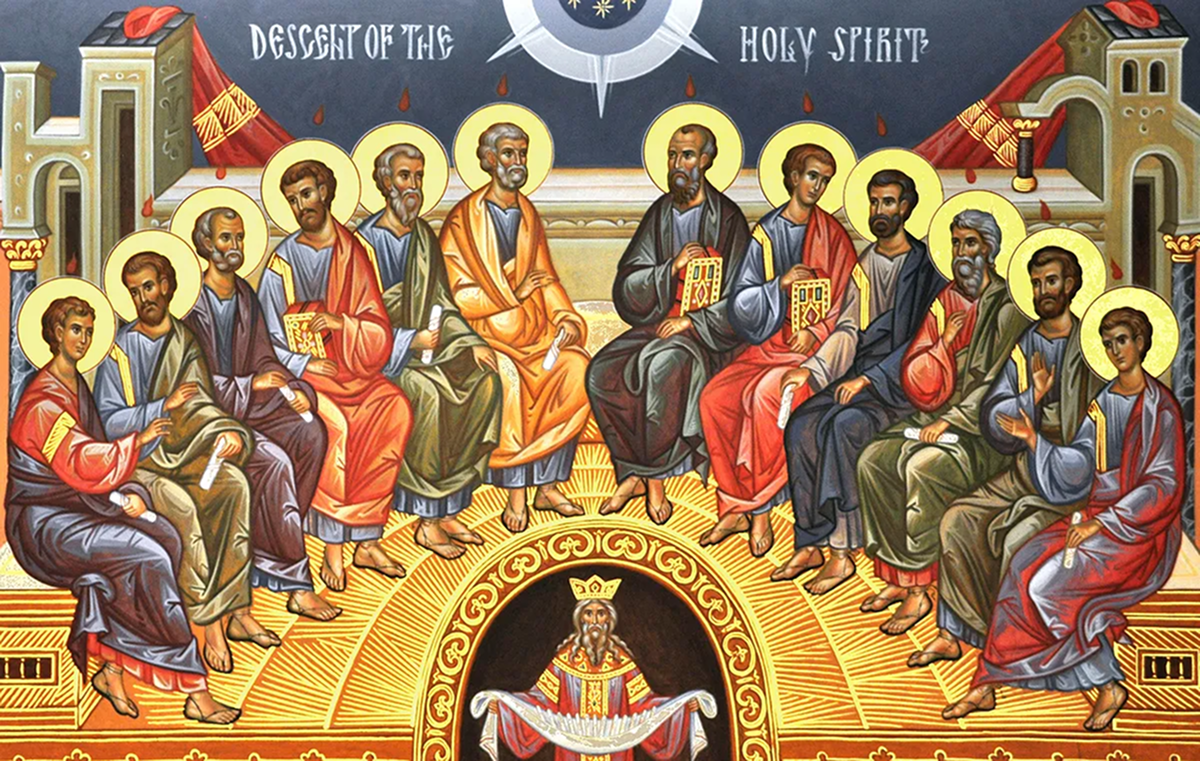
Autocephalous Churches
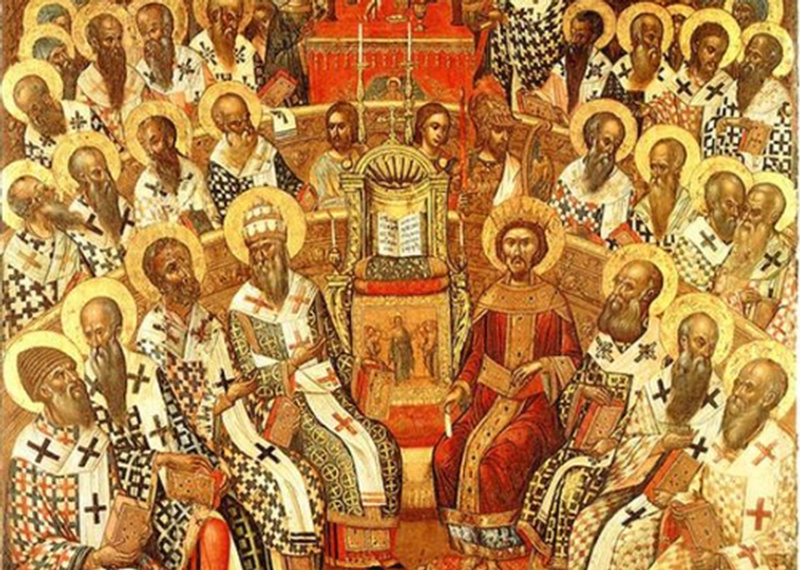
The Orthodox Church is a family of self-governing churches, with the Ecumenical Patriarch of Constantinople holding honorary primacy as primus inter pares, first among equals. The Church is not a centralized organization headed by a pontiff. Its unity is manifested in common faith and communion in the sacraments. Christ himself is the head of the Church.
Today the autocephalous churches include Constantinople, Alexandria, Antioch, Jerusalem, Russia, Serbia, Romania, Bulgaria, Georgia, Cyprus, Greece, Poland, Albania, and America. There are also several autocephalous Oriental Orthodox Churches, which have been in schism with Eastern Orthodox Churches, but have maintained near identity in faith. Dialogues and connectivity between Eastern and Oriental have revived in the 20th century.
The Patriarchates
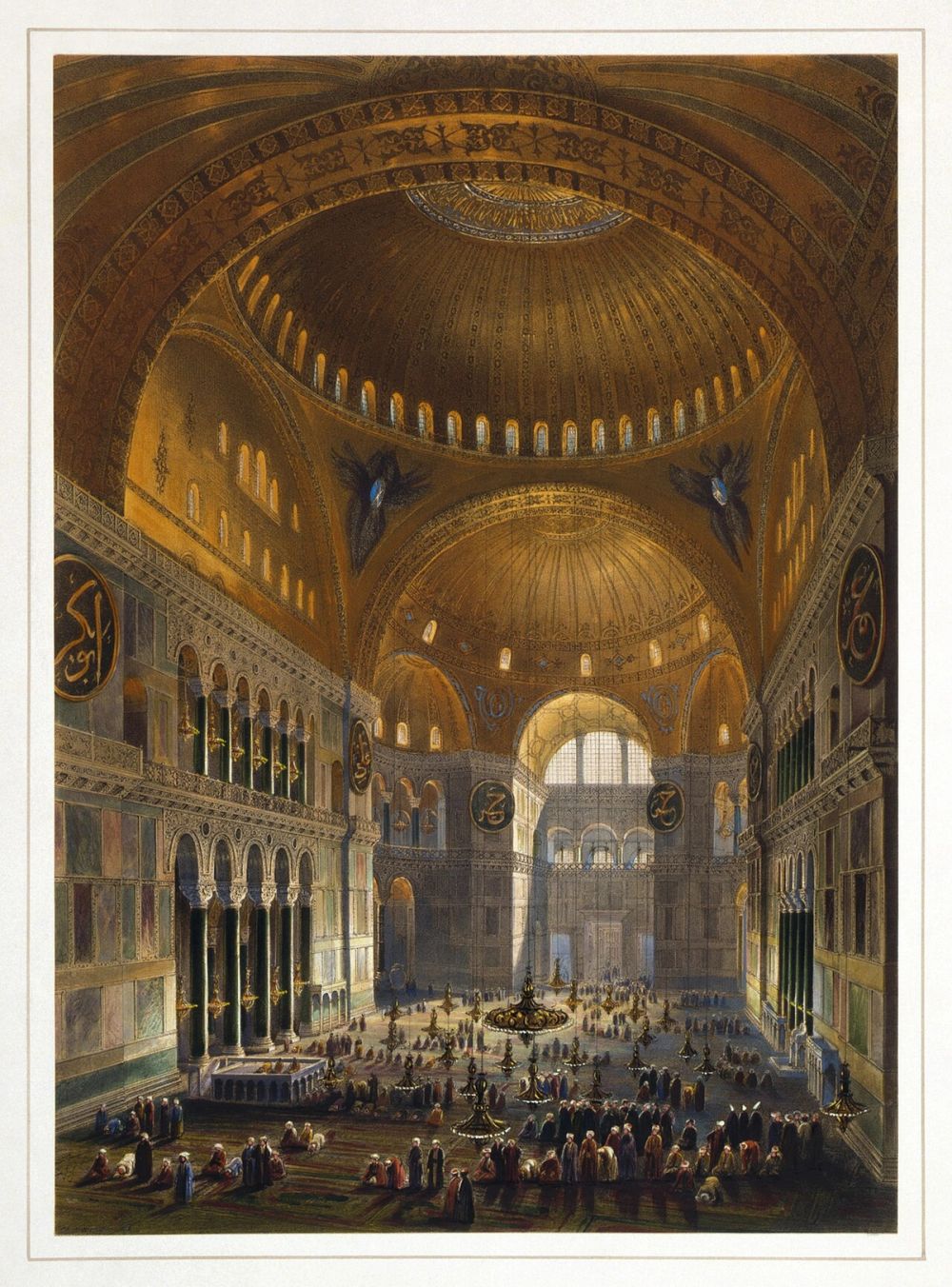
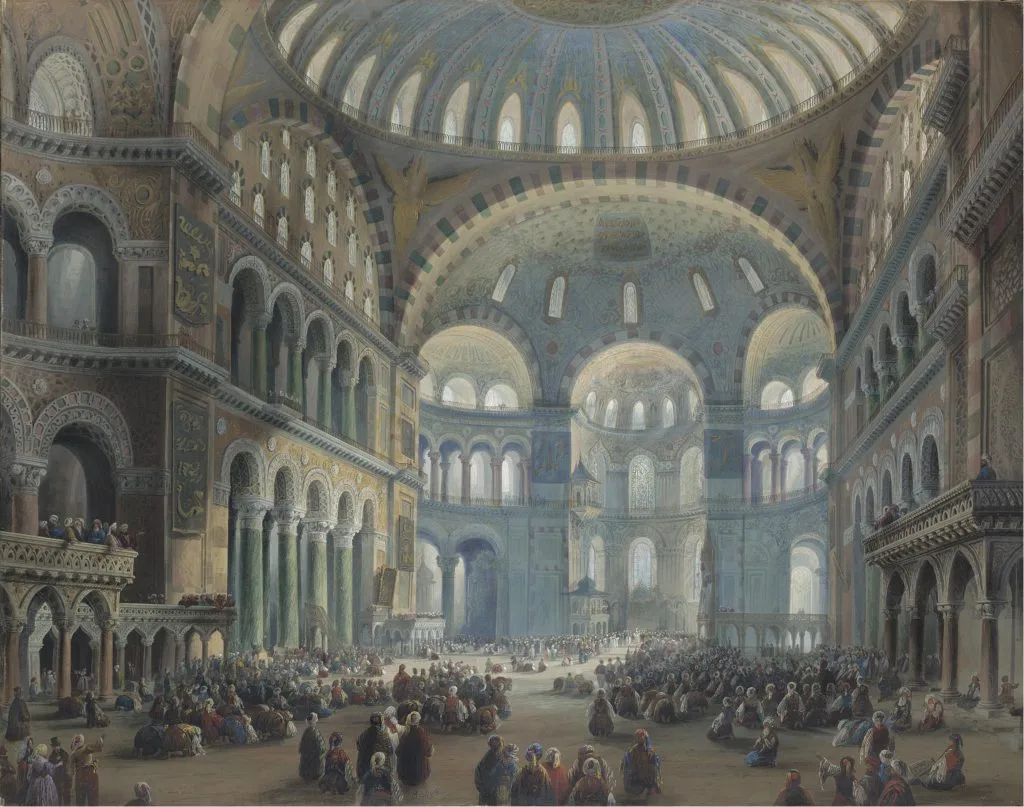
The order of precedence among the autocephalous churches does not reflect actual influence or numerical importance. There remains a consensus that Constantinople's primacy of honor (recognized by the ancient canons because it was the capital of the Byzantine Empire) should remain as a symbol and tool of church unity. Orthodoxy is not merely an earthly organization: it is the mystical Body of Christ, whose composition includes not only clergy but all who truly believe and have entered through Holy Baptism.
The Great Schism
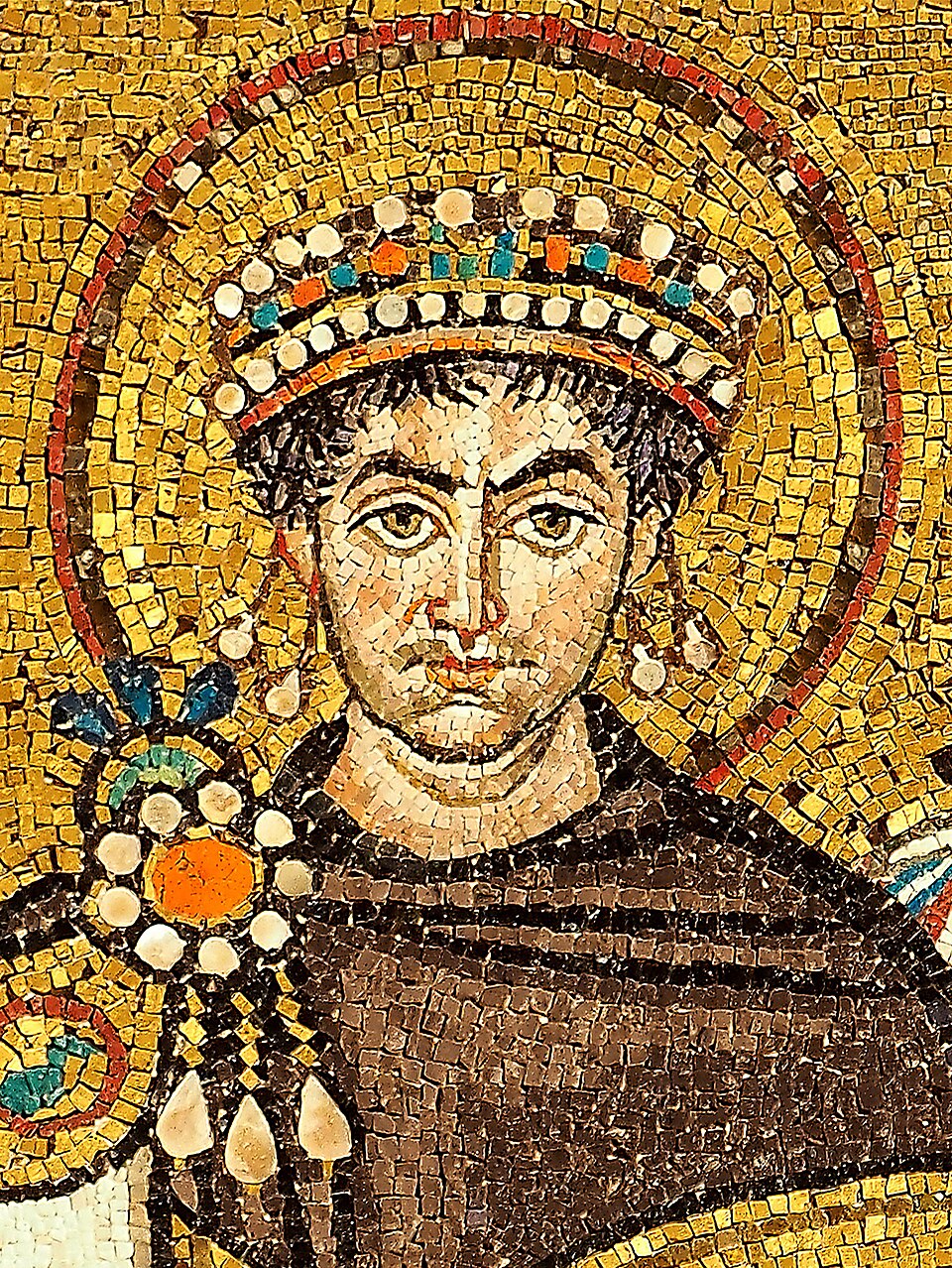
The Schism between the Eastern and Western Church was the result of centuries of estrangement: linguistic, cultural, and political. At its root were two incompatible concepts of church authority.
The Roman claim to immediate jurisdictional primacy was incompatible with the traditional Orthodox understanding, which held all churches as sister churches and recognized the Roman bishop only as first among equals. For the East, the highest authority in doctrinal disputes was never a single bishop, but an Ecumenical Council of all the churches; agreement with this principle was gradually eroded in the Western churches, with the strongest reactions to it by Rome taking place from the Middle ages onward.
Differences in Doctrine
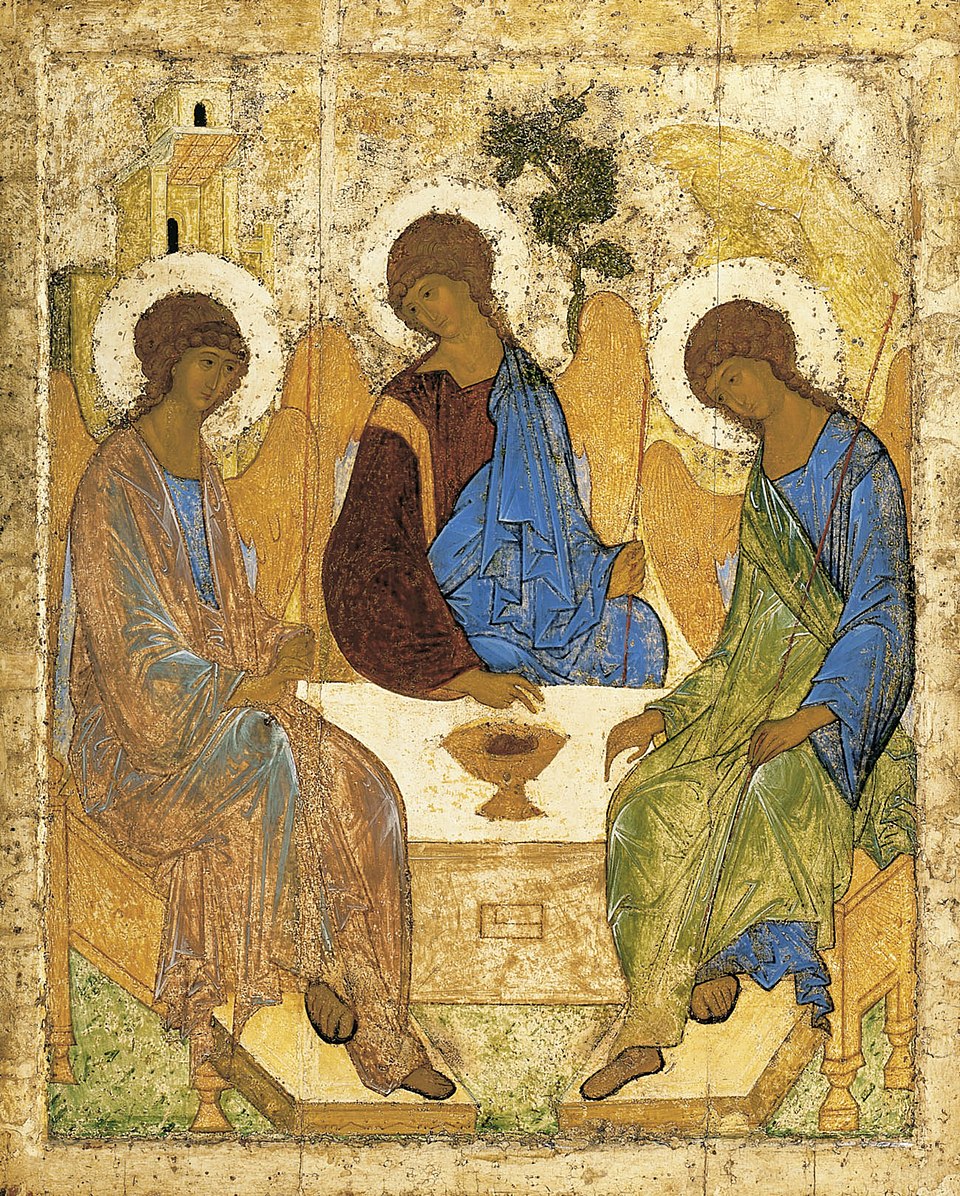
Over time the Church of Rome adopted teachings not thoroughly supported in the Tradition, culminating in the proclamation of papal infallibility. Many Orthodox theologians hold that the differences are not merely cultural but are a direct consequence of a gradual departure from sacred tradition.
Many Protestant communities which later split from Rome diverged further still. This is why Orthodox Christians want their family and friends to join them, not from exclusivity, but from the genuine conviction that they have found a treasure worth sharing. Christ is for all peoples, and the full riches of His faith are in Orthodoxy.
Orthodox Diaspora
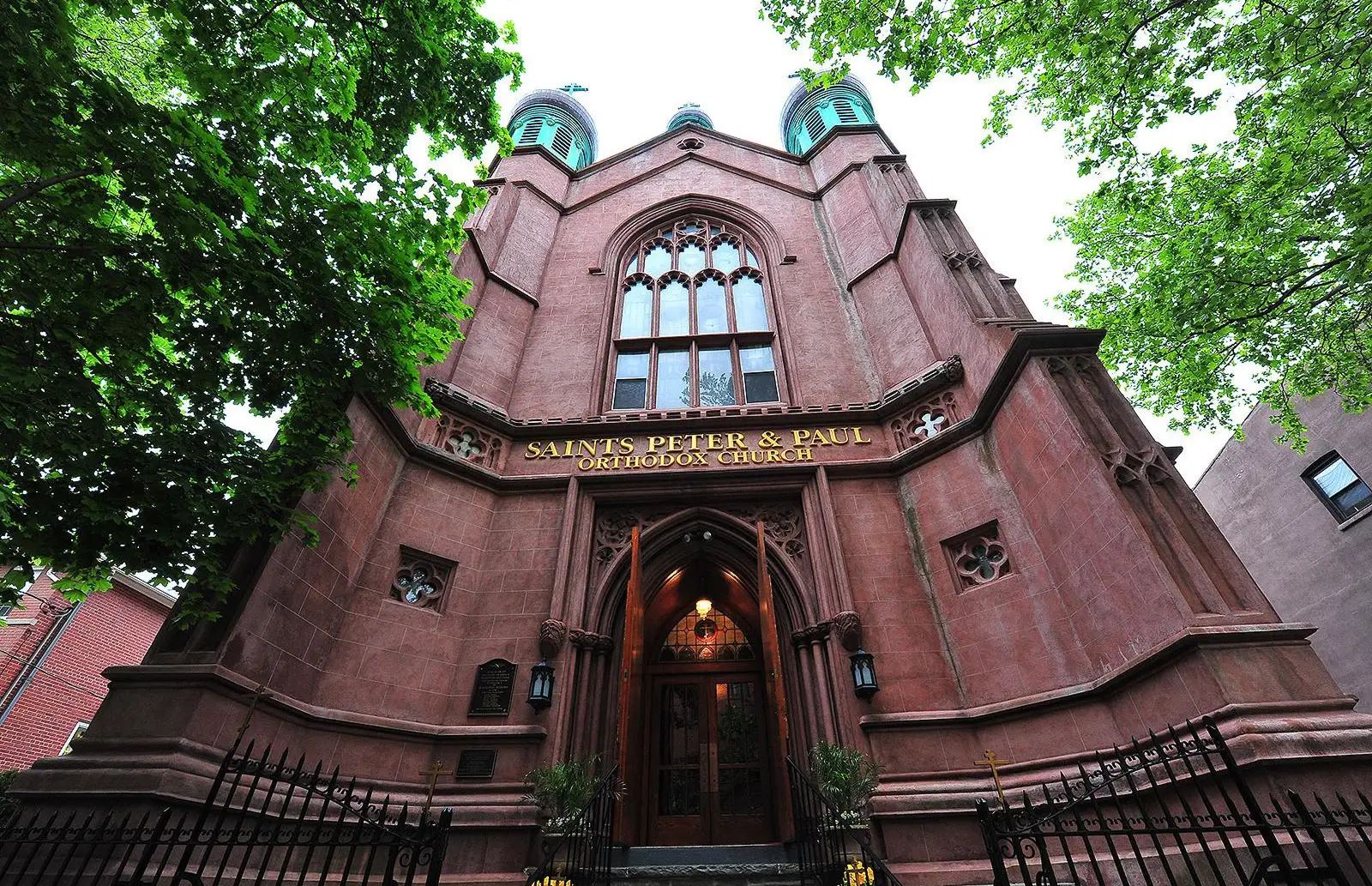
After the Schism of 1054, Orthodoxy's heartland remained the Middle East, the Balkans, and Russia, with Constantinople as its center. Missionary expansion into Asia and emigration to the West carried Orthodoxy to every corner of the globe. Saints Peter and Paul in Jersey City is itself a product of that diaspora: a parish founded by immigrant faithful who brought the ancient faith with them and kept it alive for generations.

Monasticism

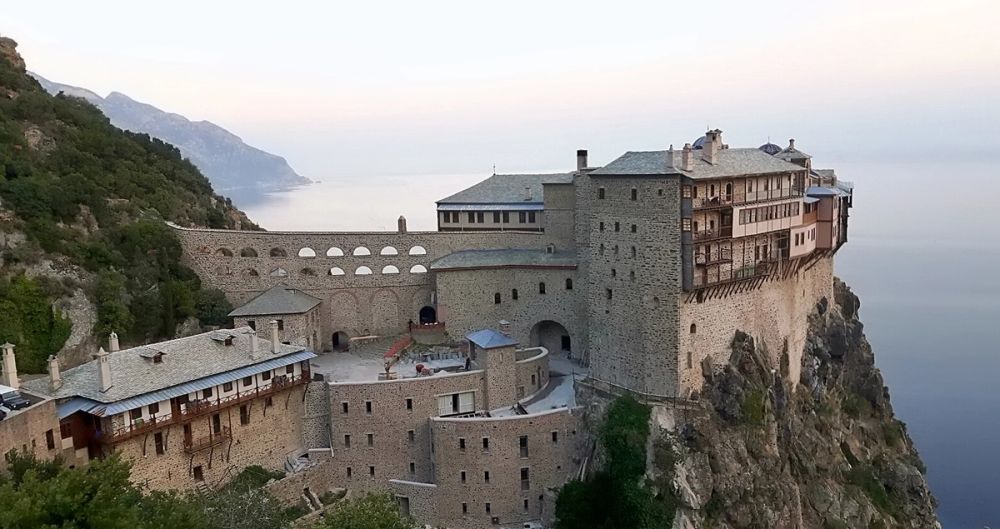
The Orthodox Church is well known for its developed monasticism, traceable from the Egyptian desert monasteries of the 3rd and 4th centuries, themselves inspired by the prophets and St. John the Baptist. Monasticism spread through Palestine, Syria, Cappadocia, Gaul, Ireland, Italy, Greece, and the Slavic lands. Allowing single-minded attention to the Kingdom of God, it has always been a beacon of Orthodoxy and continues to make a lasting impact on Orthodox spirituality worldwide.
The Divine Liturgical Tradition
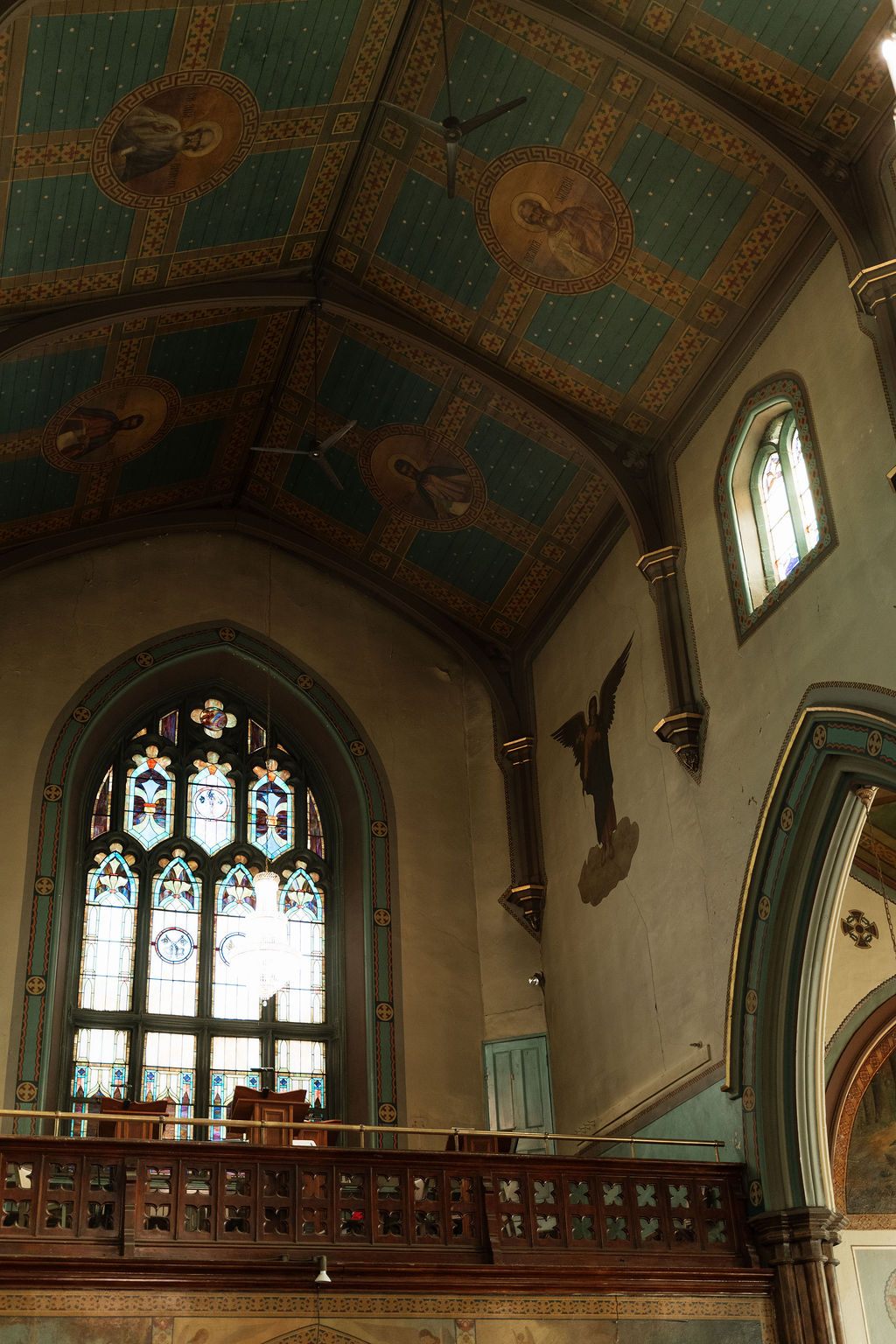
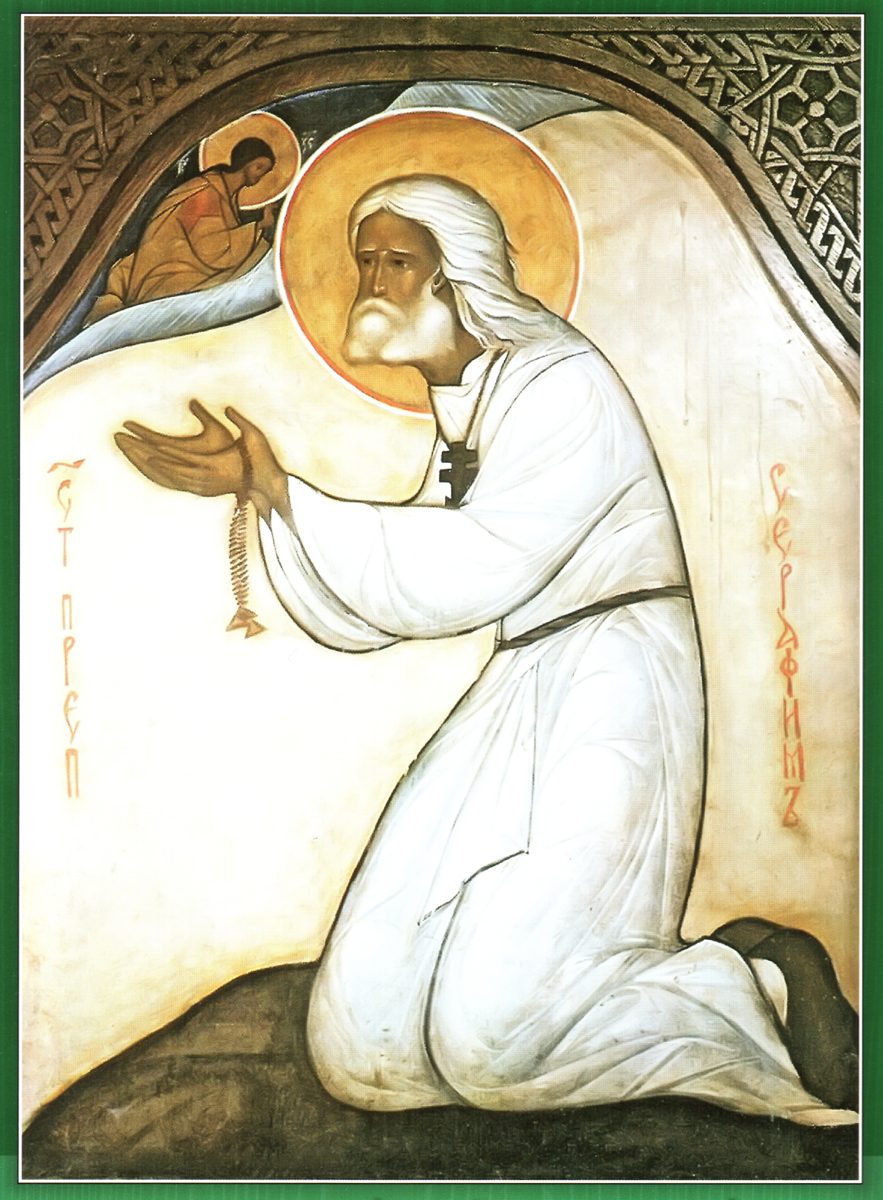
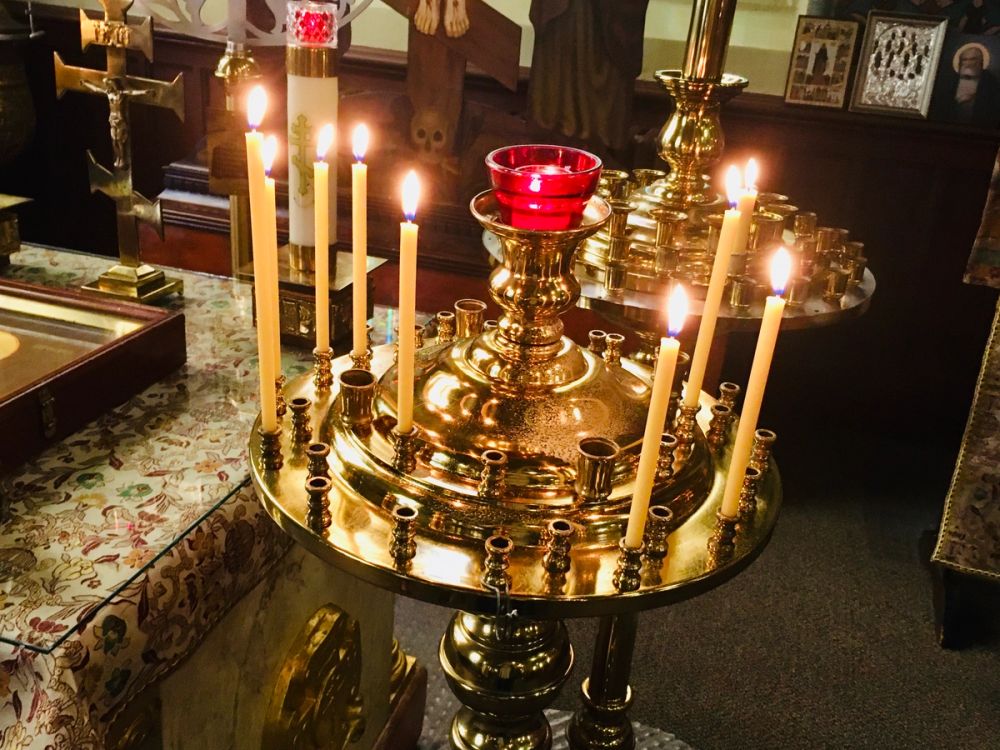
The Orthodox Church is an invaluable treasury of liturgical tradition handed down from the earliest centuries of Christianity. The beauty and grandeur of the Divine Liturgy make the presence of heaven on earth real and immediate. Orthodox art and music serve a functional role in the liturgy, helping even the bodily senses to feel the spiritual grandeur of the mysteries. Icons are not merely art: they are a means through which we experience the reality of the Heavenly Kingdom, conduits through which heavenly assistance comes.
Attribution: The historical summary above was originally created by monks at Decani Monastery in Kosovo, retrieved from archive.org. Edits by Fr. Solomon Longo.