Old Testament Roots
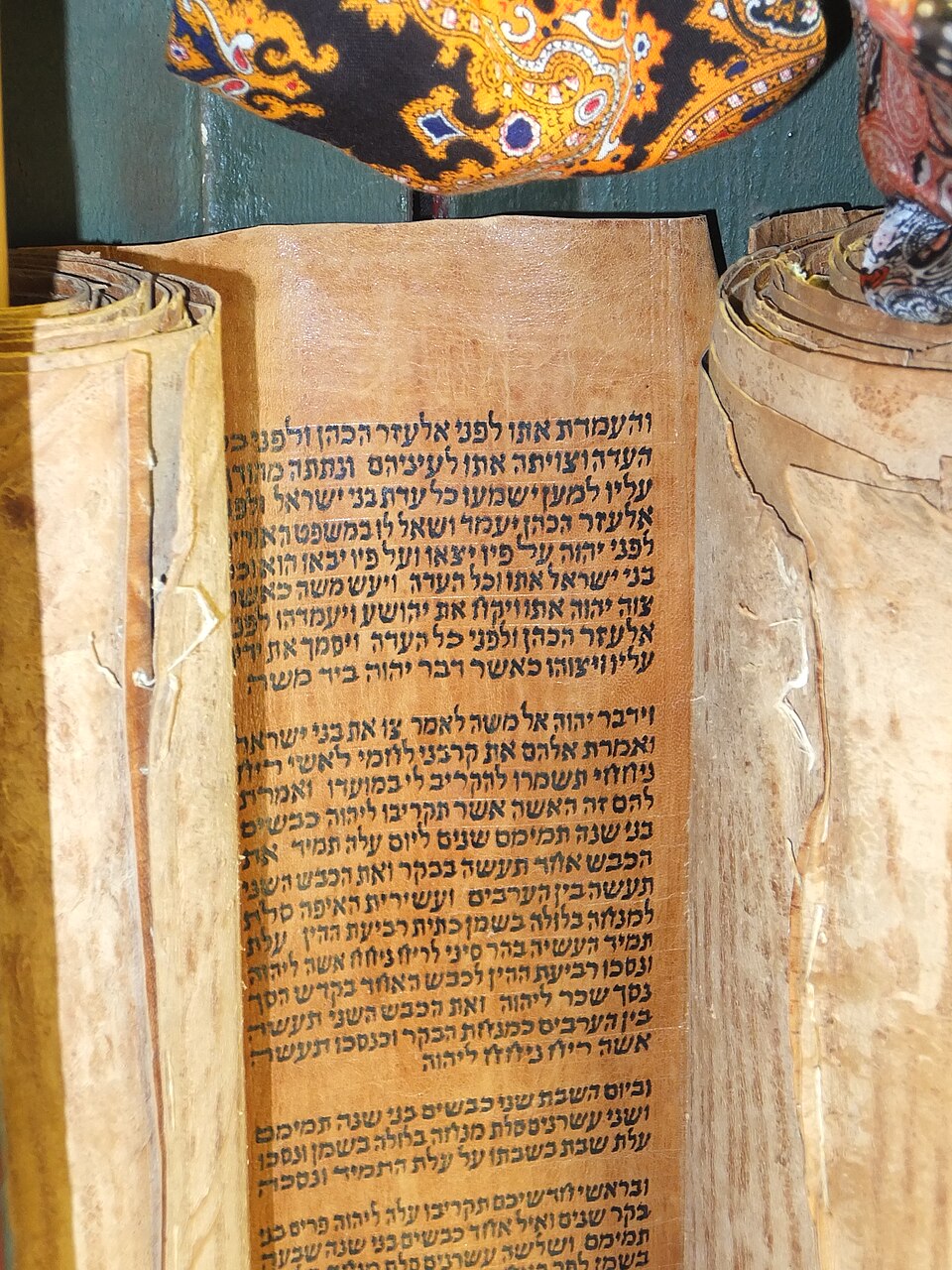
If interested in joining the Orthodox Church, or in coming to better understand your inherited faith, you will begin to hear about "catechesis." This basically means instruction. The Shema, Hear, O Israel: the Lord our God, the Lord is one (Deuteronomy 6:4–9), is arguably the oldest reference to catechesis, commanding parents to diligently echo the faith to themselves and their children: at home, on the road, lying down and rising up.
Deuteronomy itself functions as a sustained act of catechesis. Moses stands before the people and recounts salvation history: the Exodus, the covenant at Sinai, the wilderness years. The next generation, born in the desert, had not seen the parting of the sea. Moses was teaching them to receive it as their own story. This narrative mode of instruction, telling what God has done so that those who were not there might live as though they were, would become part of how the liturgy offers instruction in the form of remembering.
The Psalms, too, functioned as catechesis. They rehearsed the mighty acts of God, and their use passed on a posture of the heart in prayer. Wisdom literature, such as Proverbs and Sirach, presented the moral shape of life.
And these words that I command you today shall be on your heart. You shall teach them diligently to your children, and shall talk of them when you sit in your house, and when you walk by the way, and when you lie down, and when you rise.
Deuteronomy 6:6–7- WebWhat is the Shema? · BibleProject overview
- EncyclopediaShema Yisrael · Wikipedia: liturgical and historical background
- EncyclopediaBook of Deuteronomy · Wikipedia: structure and catechetical character
- ArticleStudies in the Shema: Deuteronomy 6:4ff · TorahResource: scholarly grammatical analysis
New Testament & Apostolic Era
The word katechesis appears in the New Testament itself. St. Luke tells Theophilus that he writes so that the man may "know the certainty of the things" in which he has been instructed, katechethes (Luke 1:4). Apollos is described as one who had been instructed (katechemenon) in the way of the Lord (Acts 18:25). St. Paul exhorts the Galatians that those who are taught the word should share in all good things with those who teach (Galatians 6:6).
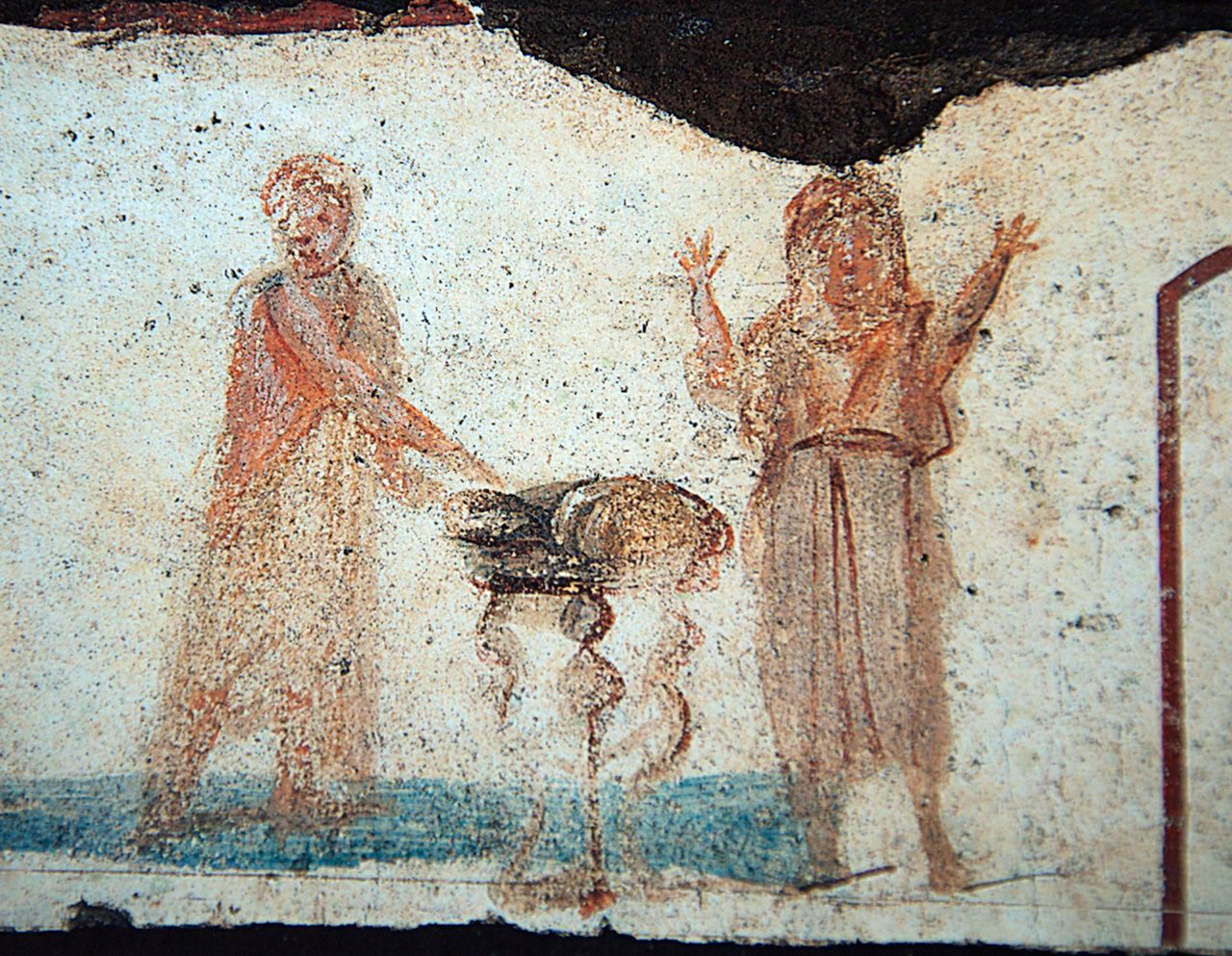
The Emmaus road narrative in Luke 24 reads in the Orthodox tradition as a catechetical icon: Christ walks with the two disciples, opens the scriptures to them, breaks bread with them, and sends them back to the community. Scripture, fellowship, Eucharist, mission. This fourfold pattern, recognizable in every Orthodox Divine Liturgy to this day, was the template of apostolic formation.
The Didache (c. 50–120 AD) is the oldest surviving Christian catechetical document. Its opening "Two Ways" instruction, the way of life and the way of death, presents a moral framework for new converts drawn almost entirely from the Sermon on the Mount. It concludes with directives on baptism (by running water if possible, by pouring if necessary), Eucharist, fasting, prayer, and the reception of wandering prophets. It is a window into a Church that understood formation as simultaneously moral, liturgical, and communal.
The Acts of the Apostles reveal a consistent pattern across the early communities: proclamation (kerygma) followed by deeper instruction for those who believed. Aquila and Priscilla took Apollos aside and "explained to him the way of God more accurately." Philip sat beside the Ethiopian eunuch in the chariot and, beginning with the prophet Isaiah, proclaimed Jesus. The apostolic model was personal, dialogical, and rooted in the scriptures of Israel. It had not yet been institutionalized. That would come in the century that followed.
- ArticleA Very Short History of Catechesis · Bishop Steven's Blog: New Testament foundations and Emmaus paradigm
- Peer-reviewedEarly Church Catechesis and New Christians' Classes (JETS 47/1, 2004) · Journal of the Evangelical Theological Society
- WebThe Story: Context for Catechesis · ACM OCIA: Augustine's narratio and salvation history
Catechetical Schools & the Early Catechumenate
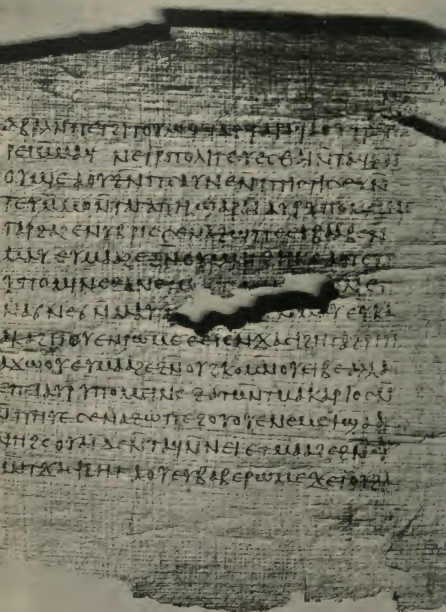
The catechumenate emerged in the 2nd century as the primary institution of Christian formation, and by the time Hippolytus of Rome compiled his Apostolic Tradition around 215 AD, it had been given a remarkably detailed shape. The process unfolded over three years. Sponsors vouched for the moral conduct of candidates. Scrutinies examined their readiness. Exorcisms accompanied their preparation. Admission to the Eucharist came only at the end, following baptism at the Pascha vigil. Formation was not rushed. The Church understood that a human life is not remade in a weekend.
Two great catechetical schools shaped the theological content of Christian formation for centuries. The Catechetical School of Alexandria, possibly founded by St. Mark himself and formalized under Pantaenus around 181 AD, became the world's first Christian institution of higher learning. Under Clement of Alexandria and then the prodigious Origen, it championed the allegorical interpretation of scripture, reading the Old Testament as a vast, luminous prefiguration of Christ. The rival School of Antioch, by contrast, emphasized literal-historical exegesis, reading the text with disciplined attention to its human authorship and historical context. The creative tension between these two schools continues to animate Orthodox biblical theology to this day.
The school at Alexandria was a community of inquiry as much as a place of instruction, where faith and reason were taken as partners in the one pursuit of the living God.
Adapted from: The Catechetical School in Alexandria, ResearchGate- OrthodoxCatechetical School of Alexandria · OrthodoxWiki overview
- EncyclopediaSchool of Alexandria · Wikipedia: Pantaenus, Clement, Origen, allegorical method
- Peer-reviewedThe Catechetical School in Alexandria · ResearchGate: Didaskaleion structure and historical disputes
- AcademicHow Did Early Christians Teach New Members to Know God? · Cambridge University Press Blog
- ParishBecoming an Orthodox Christian: Apostolic Catechumenate · St. Innocent Orthodox Church
- Peer-reviewedThe Ancient Catechumenate: A Liturgical-Historical Sketch · SciELO (2023)
The Golden Age of Catechesis
The legalization of Christianity under Constantine in 313 AD transformed the catechumenate dramatically, and paradoxically. As the Church swelled with new adherents, many drawn by social advantage rather than genuine conversion, teachers and bishops redoubled their commitment to serious formation. The 4th century produced the most celebrated catechetical texts in all of Church history.
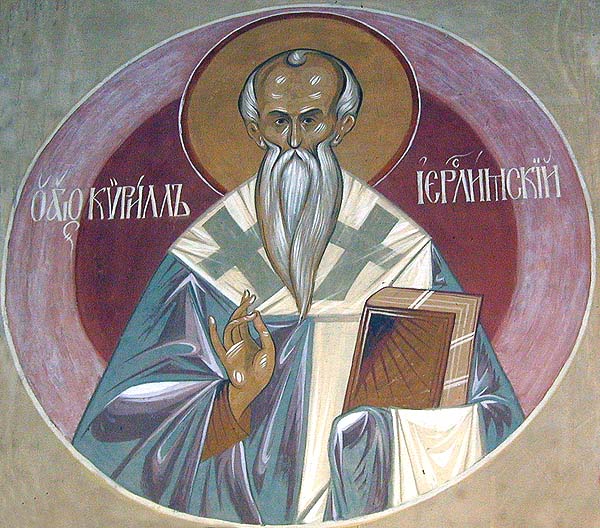
St. Cyril of Jerusalem's Catechetical Lectures, delivered around 350 AD, remain the definitive model. The eighteen pre-baptismal lectures walk candidates through the Creed article by article, with extraordinary pastoral warmth and theological depth. But it is the five Mystagogical Catecheses, delivered in Bright Week to the newly baptized, that represent Cyril's most distinctive contribution. He explained the sacraments only after the candidates had experienced them, leading them from the outer court of preparation into the inner sanctuary of meaning. This is mystagogy: the art of opening a mystery that has already been given, not merely described.
Augustine of Hippo's treatise On the Instruction of the Uninstructed (c. 405 AD) is the first systematic catechetical methodology in Christian history. Written for a deacon who felt inadequate to the task, it centers on the narratio, the retelling of salvation history from creation to the present, as the essential act of catechesis. Augustine's insight: you cannot simply hand someone a list of doctrines. You must tell them the story in which those doctrines live.
St. John Chrysostom presided over a catechumenate in Antioch and Constantinople lasting up to three years, saturated with liturgical participation. The catechumens were present for the Liturgy of the Word each Sunday, then dismissed before the Liturgy of the Faithful with the still-echoing prayer: "Depart, ye catechumens." This ritual dismissal, preserved in the Divine Liturgy to this day, was not a rebuke. It was an act of love, holding the threshold open until they were ready to cross it fully. St. Ambrose of Milan and St. Gregory of Nyssa rounded out a century of catechetical giants whose works the Church still draws on.
- ScholarlyEastern Orthodoxy: Key Catechetical Texts · Catechesis Renewal: St. Cyril's Lectures and mystagogy
- AcademicThe Formation of Catechesis in the Patristic Era · ECSOC (D.H. Williams, Baylor)
- Peer-reviewedThe Ancient Catechumenate: A Liturgical-Historical Sketch · SciELO (2023): full history from Didache through patristic era
- ScholarlyPatristic Catechism Home · Catechesis Renewal: guide to patristic sources
The Byzantine Era
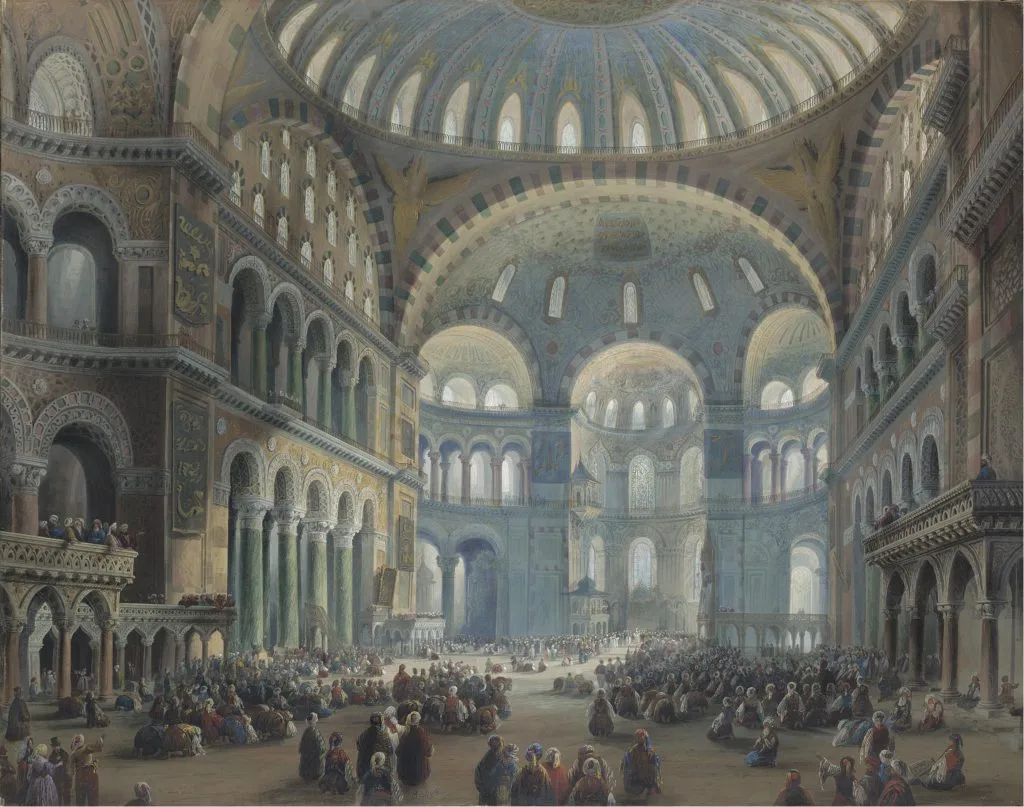
As the Roman Empire Christianized, the formal adult catechumenate gradually atrophied. With adult baptism becoming rarer by the 5th century, the extended pre-baptismal formation period lost its institutional necessity. There were simply not adults waiting to enter the Church in the same numbers. The catechumenate, which had once been a structured multi-year journey became, in most parishes, a ceremony performed over an infant who would receive instruction in retrospect. The challenge of formation shifted more heavily from preparation for initiation to the lifelong deepening of a faith received at birth.
The liturgy itself became the primary catechetical medium of the Byzantine world. The Divine Liturgy, with its scriptural texts, its symbolic actions, its rhythmic repetition of the Creed and the Lord's Prayer, was simultaneously worship and the primary catechetical medium of the Byzantine world. The great hymnographers. Romanos the Melodist, John of Damascus, Cosmas of Maiuma, wrote kontakia and canons that were theological summaries set to music, capable of forming the faith of illiterate worshippers through beauty rather than argument. The typikon of Hagia Sophia preserved detailed initiation rites for the rare adult convert.
The monastery became the great school of the Byzantine world. It offered a way of life rather than lectures, and formation in it never stopped.
Adapted from: Catechesis Renewal, on Byzantine monastic formationThe great monastic communities, especially the Studite tradition under St. Theodore the Studite and the hesychast tradition shaped by St. Gregory Palamas on Mt. Athos, developed ongoing spiritual formation as a mode of lifelong catechesis. The relationship between an elder (geron) and a disciple is itself a catechetical form: the transmission of a way of life, person to person, over years of shared prayer and obedience. This tradition of formation through apprenticeship rather than instruction has never left Orthodox Christianity.
- ScholarlyWhat Happened to Catechesis in the Middle Ages? · Catechesis Renewal: decline of catechumenate, infant baptism
- Academic bookThe Initiatory Process in the Byzantine Tradition (Stuhlman, Gorgias Press 2009) · Texts from Hagia Sophia euchology and typikon
- OrthodoxCatechumen · OrthodoxWiki: historical overview from ancient to present
Post-Byzantine & Early Modern
The Ottoman conquest of Constantinople in 1453 placed Orthodox Christianity under conditions of acute pressure. The Church was no longer the religion of an empire; it was the religion of a subject people, navigating survival under foreign domination while simultaneously fending off the competing missionary advances of Roman Catholicism and, later, Protestantism. In this context, the formal confessional catechism, the kind of document that could define Orthodoxy against rival claims, became a theological necessity.
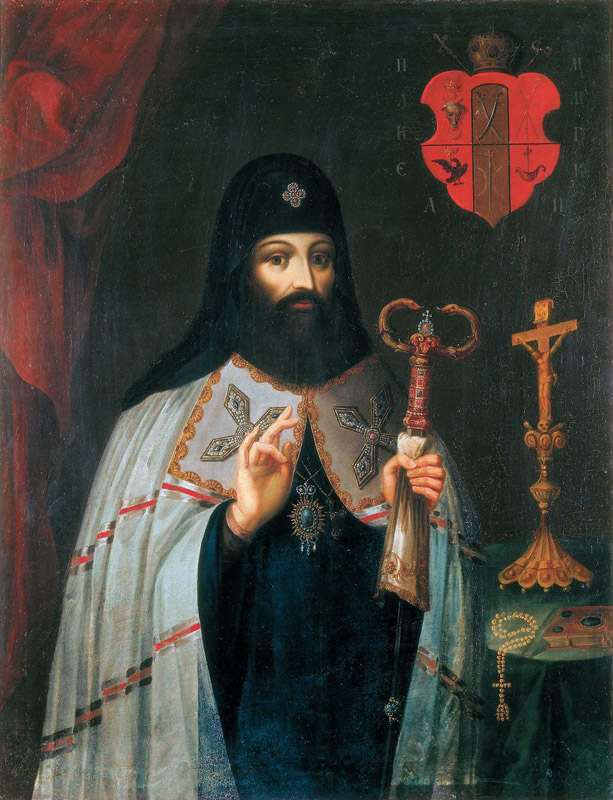
St. Peter Mogila (1597–1646), Metropolitan of Kiev, produced the most significant Orthodox catechetical document of the early modern period. His Orthodox Confession, completed in 1640 and approved by all four Eastern Patriarchs, organized the faith systematically around Faith (the Creed), Hope (the Lord's Prayer), and Love (the Commandments). Critics have noted its debt to Western scholastic categories; Mogila was educated in Paris, and the document does carry the imprint of Counter-Reformation methodology. But it remains one of the most authoritative confessional standards in Orthodox history, and a remarkable achievement of theological clarity under duress.
The Synod of Jerusalem in 1672, convened by Patriarch Dositheus II of Jerusalem, produced a confession specifically directed against the Calvinist-leaning positions associated with Patriarch Cyril Lucaris. The Confession of Dositheus, sometimes called the "Shield of Orthodoxy," affirmed the seven sacraments, the real presence in the Eucharist, the authority of tradition alongside scripture, and the veneration of icons. Together with Mogila's Confession, it defines the post-Byzantine doctrinal settlement of Eastern Orthodoxy.
- ScholarlyCatechism of St. Peter Mogila · Catechesis Renewal: overview and four Patriarchs' approval
- ReferenceThe Catechism of St. Peter Mogila · AbeBooks: publisher description and doctrinal scope
- ArticleRussia: Exercises in Orthodox Catechism in Moscow · AsiaNews: Mogila and Philaret catechisms in context
The Russian Catechetical Tradition
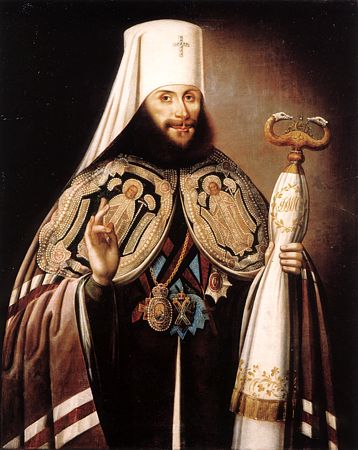
The 19th century produced the Orthodox Church's most widely used modern catechetical text, and the saint who composed it served as the de facto spiritual head of Russian Orthodoxy for nearly fifty years. St. Philaret of Moscow (Metropolitan Filaret Drozdov, 1782–1867) composed both a Shorter and Longer Catechism, the latter approved by the Holy Synod in 1830. The Longer Catechism comprises 611 questions and answers, organized, like Mogila's Confession before it, around the Creed (Faith), the Lord's Prayer (Hope), and the Decalogue (Love).
Translated into Greek, German, and English, Philaret's Catechism became the most authoritative doctrinal standard of the Russian Orthodox Church and effectively superseded Mogila's Confession in daily use. Its question-and-answer format made it suitable for classroom instruction, for family catechesis, and for individual study. It would travel with Russian emigrants to America in the great waves of immigration that followed, carried in steamer trunks alongside samovars and embroidered vestments.
Bishop Theophan Govorov (1815–1894), who retired to the Vysha Monastery and spent twenty-two years in solitary prayer and writing, produced an enormous body of spiritual instruction that functions as catechesis at its most personal. His letters of spiritual direction to lay Christians, his translations of the Philokalia, and his treatise The Path to Salvation brought the ascetic tradition of the Fathers into the ordinary lives of 19th-century Russian Christians. He was canonized in 1988.
- PrimaryThe Longer Catechism of the Orthodox, Catholic, Eastern Church (Philaret) · Full English translation online
- ReferenceCatechism of St. Philaret · Eastern Christian Supply: publisher notes and scope
- ReferenceThe Holy Standards: Creeds, Confessions, and Catechisms of the Eastern Orthodox Church · St. Theophan the Recluse Press 2020: includes Mogila, Philaret, Dositheus
Orthodoxy in America: The Immigration Era
Orthodox Christianity arrived in America not as a missionary project but as a passenger in the hold of immigrant ships. Greeks, Russians, Syrians, Ukrainians, Romanians, Serbs, Albanians, each community reproduced the parish life of the homeland in a new land, gathered around ethnic jurisdictions, celebrating the liturgy in Greek, Arabic, Slavonic, or Romanian. Catechesis in these early parishes was informal, liturgical, and deeply familial. The faith was transmitted not through formal instruction programs but through the rhythms of fasting and feasting, the icons on the wall, the smell of incense, and the insistence of grandmothers.
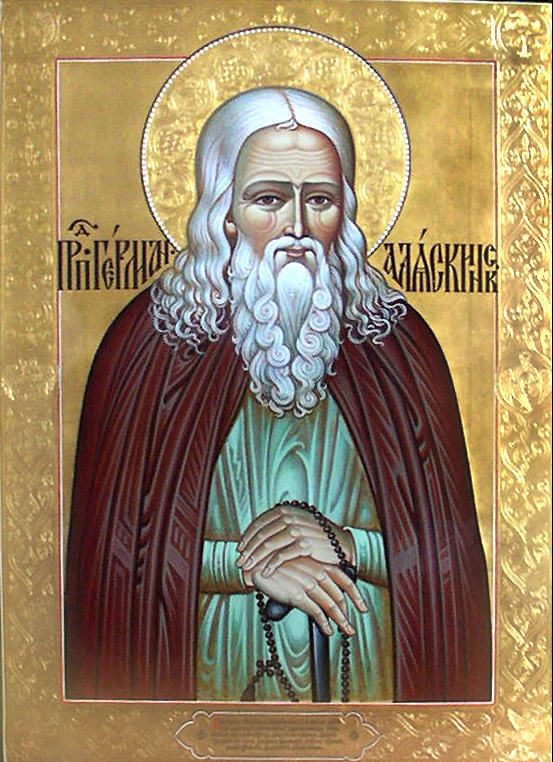
The most deliberate catechetical effort on American soil in this era took place not in New Jersey but in Alaska. St. Herman of Alaska, who arrived on Kodiak Island in 1794 as part of the Russian Orthodox Mission, established schools for indigenous children. St. Innocent Veniaminov, who would later become Metropolitan of Moscow, translated the liturgy and catechetical texts into Aleut and other indigenous languages, understanding that the faith must speak to people in their own tongue. His methods anticipated by a century the principles of inculturation that would later become standard missionary practice.
St. Vladimir's Orthodox Theological Seminary was founded in 1938 in a Harlem parish house, with a small room and borrowed books.
Adapted from: St. Vladimir's Seminary, Our HistorySt. Tikhon of Moscow, who served as Bishop of North America from 1898 to 1907, was the first to articulate a vision for a unified, English-speaking American Orthodoxy, a vision largely unrealized in his lifetime but which would bear fruit in the autocephaly of 1970. The founding of St. Vladimir's Orthodox Theological Seminary in 1938 was the institutional turning point: for the first time, American Orthodox clergy could be trained in America, in English, for an American Church.
- InstitutionalSt. Vladimir's Orthodox Theological Seminary: History · svots.edu: founded 1938, Florovsky era, mission to form American Orthodox clergy
- EncyclopediaSaint Vladimir's Orthodox Theological Seminary · Wikipedia: founding, pan-Orthodox character, deans, academic structure
OCA Autocephaly & Theological Renewal
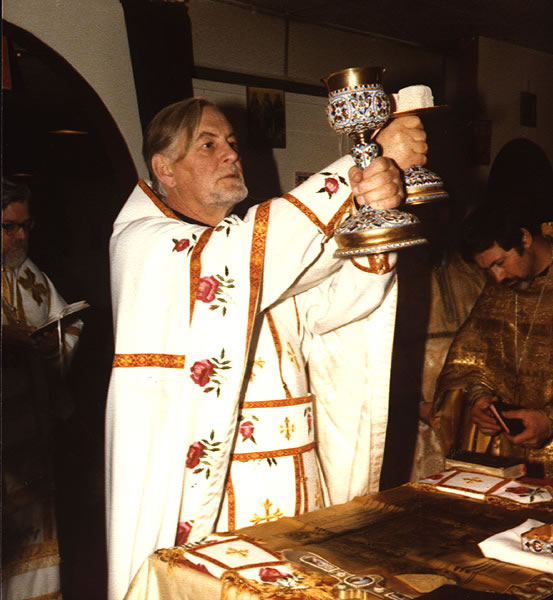
The granting of autocephaly to the Orthodox Church in America in 1970 by the Moscow Patriarchate created the first fully self-governing Orthodox jurisdiction on American soil, bringing with it a new urgency around the question of what it means to form Orthodox Christians in a pluralist, secular democracy. The man most responsible for answering that question intellectually was Fr. Alexander Schmemann, dean of St. Vladimir's Seminary from 1962 to 1983.
Schmemann's liturgical theology , articulated most accessibly in his landmark work For the Life of the World (1963), argued that the Eucharist is not one activity among many in the Church's life, but the very act by which the Church constitutes itself as the Body of Christ. Catechesis, therefore, could not be merely doctrinal instruction. It had to be formation into a eucharistic way of life: an apprenticeship in how to see the world as gift, to receive time as sacred, and to understand the Church's worship as participation in the Kingdom already present. This vision transformed Orthodox catechetical thinking in America.
Fr. Thomas Hopko (1939–2015), who served as dean of St. Vladimir's Seminary from 1992 to 2002, authored The Orthodox Faith, known as the "Rainbow Series" for its four color-coded volumes: Doctrine, Worship, Bible and Church History, and Spirituality. First published in 1971 and updated in 2016, the series became the most widely used catechetical resource in the OCA, translated into multiple languages and used in thousands of parishes worldwide. It remains in print.
This era saw massive growth in adult converts to Orthodoxy, a phenomenon without precedent in the Church's American history. Former Evangelicals, former Catholics, former secularists were entering the catechumenate in substantial numbers, bringing with them sophisticated theological questions and a hunger for the intellectual substance of the tradition. The first structured parish catechumenate programs conducted entirely in English were developed in this period, drawing on Hippolytus, Cyril, and the RCIA process in Roman Catholicism as comparative models, while insisting on the distinctively Orthodox character of formation through liturgy and fasting rather than classroom instruction alone.
- InstitutionalCommemorating Fr. Thomas Hopko · St. Vladimir's Seminary: life, Rainbow Series legacy
- InstitutionalUpdated Orthodox Faith Series · St. Vladimir's Seminary: Metropolitan Tikhon's preface, catechetical impact
- PrimaryFor the Life of the World · Fr. Alexander Schmemann (SVS Press) · Foundational catechetical-theological text
- ScholarlyEastern Orthodoxy: Key Catechetical Resources · Catechesis Renewal: Schmemann, Hopko, Trenham, Parker
Present Day OCA Catechesis
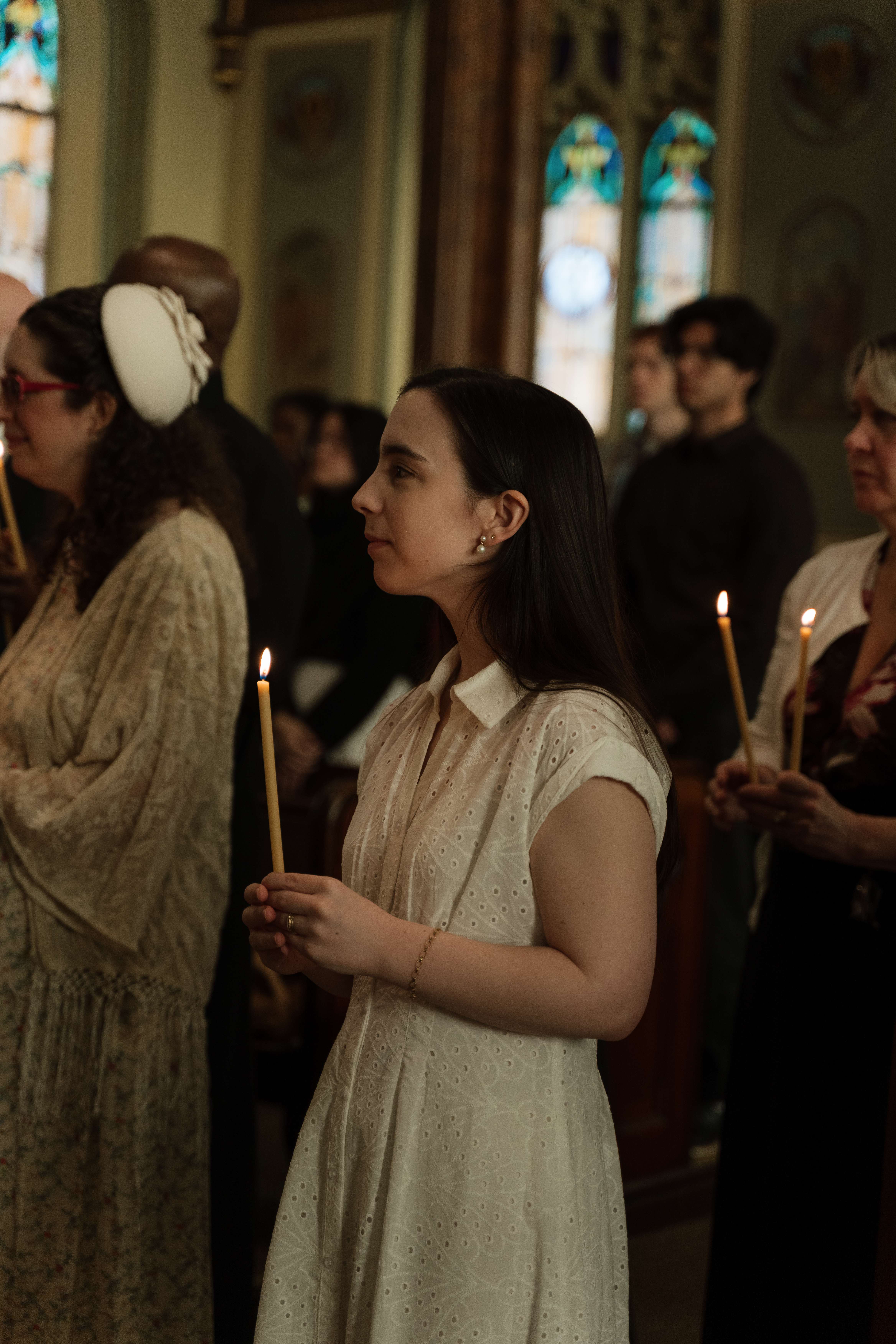
Contemporary Orthodox catechesis in America operates without a single universal standard. This is intentional. The OCA has no mandatory catechism, reflecting the patristic conviction that formation is communal and liturgical before it is doctrinal, and that the character of a parish and its priest shapes formation as much as any curriculum. In practice, a catechumen in an OCA parish today attends the Divine Liturgy from the very beginning rather than after finishing a course of study. Along the way the catechumen meets one-on-one with the priest, receives a prayer and fasting rule, and makes a life confession before baptism or Chrismation. The process typically spans six to twelve months, depending on the bishop and the parish's discernment of the individual.
In 2023, the OCA published Essential Orthodox Christian Beliefs: A Manual for Adult Instruction: a free, 16-chapter, 250-page catechism available online at oca.org, intended as a resource for parish priests and catechumens rather than a mandated curriculum, and described as a living document open to revision. The OCA Department of Christian Education provides age-graded curricula (FOCUS Units), teacher training, and coordinates with the pan-Orthodox Christian Education Commission. The St. Macrina Orthodox Institute in the Diocese of the Midwest offers formal certification for lay catechists.
Catechesis is not a course you complete. It is a life you enter. The Church's task is not to fill heads but to form hearts. That work does not end at Chrismation. It is only beginning.
Fr. John Parker, Radechesis (Ancient Faith Ministries, 2019)Perhaps the most interesting development in contemporary Orthodox catechetics is the recovery of the ancient catechumenal pattern advocated by figures like Fr. John Parker (whose "Radechesis" framework proposes a radical return to the Hippolytan model) and the growing influence of Ancient Faith Ministries, whose podcasts, books, and films have created an informal but vast catechetical ecosystem accessible to inquirers anywhere in the world. The tradition is alive, still arguing with itself about the best way to hand on the faith, and that argument is itself a sign of health.
At Saints Peter and Paul
In 2024 Fr. Solomon led a coffee-hour class after Sunday Liturgy, Discussions in Apostolic Faith, with handouts on topics such as prayer for the departed. Since the winter of 2025-26 a Catechesis series has run on Wednesday evenings from Theophany to Holy Week, in person and on Zoom, required for catechumens and open to everyone; the sessions and their recordings are on the Catechesis page. For children there are short Sunday lessons for ages 2 to 13 between veneration of the cross and coffee hour.
- NewsOCA publishes free adult catechism online (2023) · OrthoChristian: Essential Orthodox Christian Beliefs, 16 chapters, 250 pages
- InstitutionalOCA Dept. of Christian Education · oca.org: mission, FOCUS units, pan-Orthodox OCEC cooperation
- InstitutionalSt. Macrina Orthodox Institute · Diocese of the Midwest OCA: Catechist Certificate program
- InstitutionalOrthodox Catechism Project · Greek Orthodox Archdiocese: family-based catechesis, pan-Orthodox model
- InstitutionalOrthodox Catechesis Framework · Greek Orthodox Archdiocese of America (1986): Orthodoxia + Orthopraxia
- ParishWhat is a Catechumen? · St. Mary Orthodox Church: modern parish catechumenate explained
- ParishCatechetical Resources · St. Nicholas OCA: reading list including Hopko, Ware, Schmemann
- ScholarlyCatechesis Renewal: Eastern Orthodox section · catechesisrenewal.com: resources and Radechesis
Key Reference Works
The following monographs are the primary scholarly sources for deeper research on the history of Orthodox catechesis.
- William Harmless, Augustine and the Catechumenate (Liturgical Press, 1995): the definitive modern study of patristic catechesis
- Byron David Stuhlman, The Initiatory Process in the Byzantine Tradition (Gorgias Press, 2009): Byzantine catechetical rites from Hagia Sophia manuscripts
- The Holy Standards: Creeds, Confessions, and Catechisms of the Eastern Orthodox Church (St. Theophan the Recluse Press, 2020): includes Mogila, Philaret, Dositheus, Nicene Creed
- Fr. Thomas Hopko, The Orthodox Faith / Rainbow Series, 4 vols. (SVS Press, 1971 / updated 2016): foundational OCA catechetical text; SVS Press
- Fr. Alexander Schmemann, For the Life of the World (SVS Press, 1963/2018): liturgical-theological foundation for Orthodox catechesis in America; SVS Press
- Michel Dujarer, A History of the Catechumenate: The First Six Centuries (Sadlier, 1979): classic historical survey
- OCA, Essential Orthodox Christian Beliefs: A Manual for Adult Instruction (2023): free PDF at oca.org